


As an Amazon Associate I earn from qualifying purchases at no extra cost to you.
Snake plant care is about as easy as houseplants get. That’s why folk keep searching for them, especially if you’re new to indoor gardening or just want something that won’t keel over when you forget to water it. If you’re picking your first one, worried about pets, or staring at a plant that’s gone a bit limp or yellow, you’ll find the answers you need here—no faff, just what you need.
Many snake plant varieties are popular because they’re one of the easiest houseplants to grow indoors. They stay upright, handle missed waterings better than most plants, and work well in bedrooms, offices, and small spaces. The main trouble usually starts when they’re planted in the wrong soil or watered too often.
This guide covers the broad answers most people need first: basic care, pet safety, flowers, size, benefits, and the most common snake plant problems. If your plant is drooping, yellowing, or soft at the base, you’ll also find the right next step without having to dig through half a dozen separate articles.
Snake plant toxicity is one piece of a bigger picture — if you’re weighing several houseplants against a cat household, the full severity breakdown across common toxic and safe plants covers the comparison this page doesn’t.
Jump to what you need
Snake Plant at a Glance
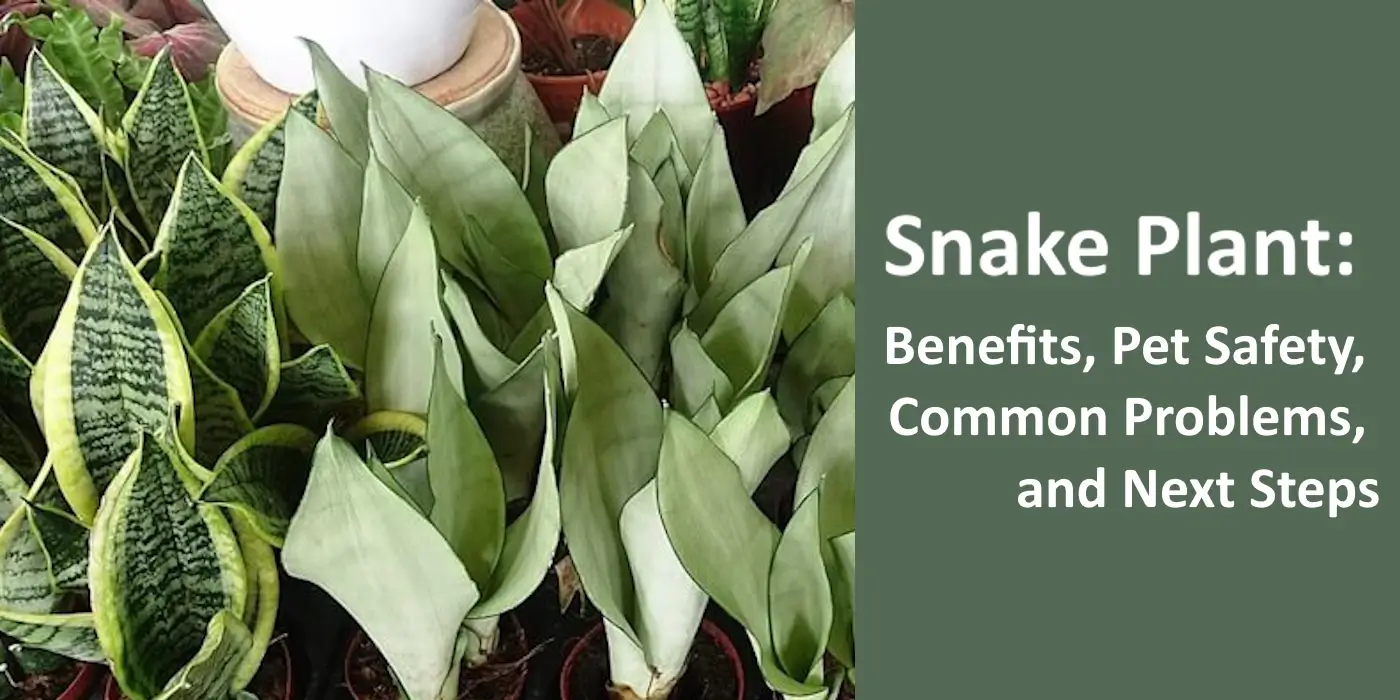
Snake plant is the common name for Dracaena trifasciata, a slow-growing succulent houseplant grown for its upright, architectural leaves and reliable low-maintenance care. Many growers still know it by its former botanical name, Sansevieria, so it’s normal to see both names used on plant labels, in forums, and in older care guides.
Knowing the correct botanical identity helps when comparing varieties, checking toxicity, or matching advice across older and newer sources. It also clears up why one plant can appear under different names while still following the same care and growth habits.
Quick botanical facts
- Botanical name: Dracaena trifasciata
- Former botanical name: Sansevieria trifasciata
- Common names: snake plant, mother-in-law’s tongue
- Plant type: succulent houseplant
- Typical indoor height: 1–4 feet
- Light: bright indirect to low light
- Pet safety: toxic to cats and dogs
- Biggest mistake: overwatering in dense soil
Why snake plants work so well indoors
Snake plants are easy to care for and fit indoor spaces so well because they stay upright, tolerate dry air, and handle inconsistent watering better than most houseplants. They work especially well in bedrooms, offices, hallways, and tight corners where wider plants feel cluttered or need more frequent maintenance.
Their slow, vertical growth also makes them easy to style in smaller rooms. A single plant can add height and structure without taking over shelves or floor space, which is one reason they’re so popular with beginners and busy households.
Why snake plants thrive indoors
- tolerate missed waterings
- handle medium to lower light
- grow upright instead of sprawling
- suit bedrooms and offices
- low-maintenance for busy routines
The most common mistake new owners make
The most common mistake is planting snake plants in decorative pots without drainage and then watering on a fixed schedule. Because the leaves stay firm for a while, the roots can sit in wet soil long before the plant shows obvious signs of stress.
By the time leaves droop, yellow, or soften at the base, the real issue usually started in the pot and soil setup days or even weeks earlier. Catching that pattern early prevents most of the common snake plant problems people run into.
The usual mistake pattern with snake plants
- oversized decorative pot
- no drainage holes
- dense peat-heavy soil
- watering too often
- low light + wet roots
- repotting into a pot that’s too large
Is a Snake Plant the Right Fit for Your Home?
Snake plants fit most homes because they put up with low light, dry air, and the odd missed watering better than just about anything else. The real question is your room, your habits, and if you’ve got pets sharing the place.
Best for beginners, offices, and bedrooms
Snake plants are one of the safest first choices for almost any indoor space because they tolerate the exact things most people get wrong early on: missed waterings, lower light, dry indoor air, and the odd week of neglect when life gets busy. If the goal is a plant that looks clean, upright, and still holds up in a bedroom corner or office shelf, this is one of the easiest wins.
They’re especially good in spaces where wider, thirstier plants start to feel like maintenance. A snake plant keeps its shape, stays vertical, and doesn’t ask for constant attention, which makes it ideal for smaller rooms, work desks, rental flats, and low-fuss home styling.
When it’s a bad fit for pet homes
Snake plants are usually the wrong fit for homes with cats or dogs that chew leaves, knock over pots, or treat every shelf like a climbing route. In that kind of setup, the issue is less about care difficulty and more about whether the plant creates avoidable stress in the room.
Who should choose safer alternatives instead?
If the room is shared with chewing cats, puppies, or pets that knock over pots, it’s usually smarter to choose a plant that provides the same upright structure without the toxicity issue. Spider plants, parlor palms, cast-iron plants, and prayer plants are all cat-friendly and give you that easy indoor greenery feel without forcing you to police the shelf every day.
The same goes for homes where you want a genuinely stress-free bedroom or office setup. If part of the appeal is peace of mind, a safer alternative often ends up being the better long-term fit.
Snake Plant Care, Soil, and Pot Setup Basics
Most growth problems related to snake plants start in the pot, not the leaves. Get the watering rhythm, drainage, and soil type right, and the plant usually stays easy for years. This section gives the broad setup logic that prevents the common failures before they start.
The simple care rhythm most homes need
Snake plants do best when the routine stays boring. Bright indirect light is ideal, but they’ll still hold up in lower-light rooms if you ease back on watering. The key is letting the soil dry properly instead of watering by the calendar.
In most homes, the rhythm is simple: a brighter room means faster drying, a darker room means slower roots. Once you start matching watering to how fast the pot actually dries, snake plants stop feeling unpredictable and start behaving exactly as they should.
The pot and soil mistakes that cause nearly every problem
The majority of issues—drooping, yellow leaves, soft bases, and stalled growth—usually trace back to the same setup mistake: too much moisture staying around the roots. That almost always comes from a decorative pot without drainage, dense peat-heavy compost, or sizing up too aggressively.
Snake plants like quick-draining succulent soil blend and a terracotta pot with drainage holes that doesn’t hold onto water. If the pot’s too big or the mix stays soggy, the plant might look fine for a while, but the roots are already in trouble before you see a thing.
Resolving Common Snake Plant Problems
Most snake plant problems are easier to diagnose by where the symptom shows than by the symptom itself. Leaf issues usually point to watering rhythm or light mismatch, while root and growth issues almost always start deeper in the pot, soil, or drainage setup.
Leaf symptoms: drooping, yellowing, and soft growth
When the leaves are the first place the plant looks off, the issue is usually visible before it becomes serious. Drooping or curling leaves often mean the roots stayed wet too long, the room got darker while the watering stayed the same, or the plant has been left dry for longer than the mix can support. If that’s the symptom you’re seeing, the full breakdown is in the guide on why your snake plant is curling or the 11 ways to revive a drooping snake plant.
Yellowing tends to show the same moisture problem a little later, especially on the older outer leaves. Sometimes it’s just one sword-shaped leaf aging out, but if the yellowing spreads or the base starts to soften, it usually points back to the pot and soil setup. The full fix path is covered in the troubleshooting guide: Why Your Snake Plant Is Turning Yellow.
Root symptoms: rot, stalled growth, and hidden pot issues
Root problems are sneaky—they stay hidden until the plant’s already had a rough time. If the base goes soft, lower leaves turn to mush, or the plant wobbles in its pot, it’s usually because the roots have been sitting in wet soil for too long. Blame dense compost or a pot with no drainage.
If your snake plant’s stopped growing, it’s usually the same old story—roots too wet, stuck in a cramped nursery pot, or lost in a pot that’s too big. Nine times out of ten, the fix is in the setup, not the leaves.
Pet Safety, Toxicity, and What to Do Fast
Snake plants are toxic to household pets, especially cats that chew leaves out of boredom or curiosity. The upright blades are almost designed to attract the exact kind of cat that likes testing every plant in the room, and even a few bites can lead to your cat showing some unpleasant symptoms, even requiring a stressful late-night vet call.
If you already know your cat goes after anything green, this is one of those plants that creates more worry than value. In that case, the clean look alone usually isn’t worth the risk.
Why are snake plants toxic to cats and dogs?
Snake plants contain saponins—a bitter-tasting plant chemical that irritates the digestive system if chewed or swallowed (Source: ASPCA). This is why even a small bite can cause a reaction, and it’s also why the same risk applies across all common snake plant varieties.
Symptoms after chewing or licking a snake plant
The first signs are usually easy to spot: sudden drooling, lip licking, vomiting, or a cat that suddenly loses interest in food after being near the plant (Source: PubMed Central). The important thing here is recognizing the pattern quickly rather than trying to diagnose every symptom on the pillar page.
If you think your cat has actually chewed or licked the leaves, the full symptom timeline, what to watch over the next few hours, and when it becomes a vet issue are all covered in your guide on what happens if a cat licks a snake plant. You can also learn preventative measures to keep cats away from snake plants to avoid any worry.
Best pet-safe snake plant alternatives with the same look
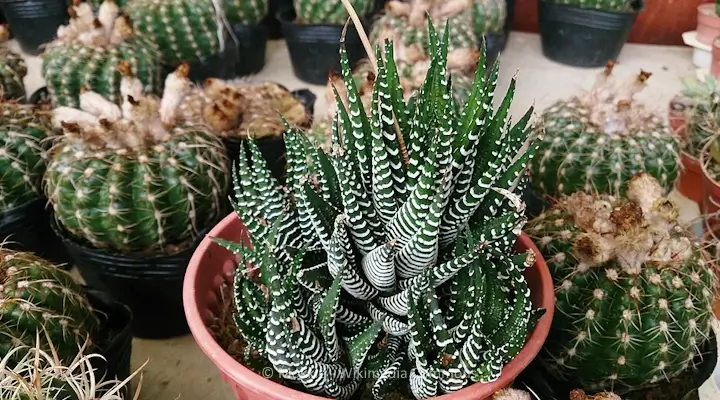
If it’s the upright look you’re after, there are safer plants that do the job without risking your pets. These options keep that tidy, vertical feel and won’t have you worrying every time the cat strolls past.
- Cast Iron Plant – The closest match for low-fuss reliability. It keeps a strong upright form, handles lower light well, and suits the same bedroom or office corners where snake plants usually shine.
- Parlor Palm – Softer in texture but excellent for the same styling role. It brings height and indoor structure without becoming difficult to manage in smaller rooms.
- Spider Plant – More arching than upright, but still perfect if the goal is a clean, easy beginner plant that works on desks, shelves, and hanging spots.
- Ponytail Palm – Great if you want the sculptural feel of a statement plant. The narrow leaves and upright trunk give a strong vertical silhouette while staying pet-safe.
- Zebra Plant – A great shelf-friendly option if you still want bold, structured foliage and strong contrast. Zebra plants are pet-safe and the striped leaves give the same clean visual impact while keeping the setup safer for curious pets.
Snake Plant Growth, Height, and Flowering Expectations
Snake plants grow slowly, but once the light, pot size, and root setup are right, they’re far more predictable than people think. Snake plants come in all shapes and sizes—from dwarf plants a few inches tall to huge plants with sword-like leaves several feet high. This section helps set realistic expectations around height, mature varieties, and the rare indoor flowering that often catches owners off guard.
How big do snake plants get indoors?
Most snake plants indoors end up between one and four feet tall, depending on the type, the light, and how much room the roots get. The smaller ones are tidy on shelves, while the tall ones fill corners or empty walls without fuss.
The biggest limiter is usually the pot. Once the roots circle tightly or the plant has been left in a small nursery pot for too long, height gains tend to slow, even if the leaves still look healthy. My guide explores the wide variety of tall snake plants to help you choose the right type for your indoor space.
Do snake plants flower indoors?
Indoor flowering is rare, but it does happen, usually on mature plants that have settled into a stable rhythm of light, root space, and seasonal growth. The blooms appear on a tall spike, with pale, fragrant flowers that often surprise people, as snake plants are usually grown for their leaves alone.
If yours has suddenly flowered, it’s usually a sign the plant has reached a comfortable mature stage rather than something to worry about. The full breakdown of bloom triggers, meaning, and what it says about your setup is covered in your guide to snake plant flowers: meaning, care, and why they bloom indoors.
Tall snake plant varieties worth choosing

If height is the main goal, variety choice matters more than watering tricks or fertilizer. Some snake plants are naturally compact, while others are built to become strong floor plants that bring structure to corners, offices, and empty walls.
- Laurentii – The classic tall variety and still the easiest recommendation. The yellow-edged leaves stay upright, dependable, and often reach 3–4 feet indoors with a good pot setup.
- Zeylanica – Slightly darker and more textured than Laurentii, with a sharper, modern look. A great choice if you want height without the yellow variegation.
- Cylindrica snake plant – Known for its tall spear-like leaves, this one creates a more sculptural, minimalist look. Ideal for modern interiors and statement floor pots.
- Moonshine – Usually slower growing, but mature plants can still develop impressive height. Best if you want a taller plant with softer silver-green foliage.
- Bantel’s Sensation – A slimmer, more elegant tall option with white vertical striping. Perfect for narrower spaces where you still want height without visual bulk.
Real Benefits and Best Placement
The real value of a snake plant isn’t just that it survives neglect. It earns its place by thriving in rooms where other plants struggle, adding height without clutter, and remaining dependable in the everyday indoor conditions most homes have.
What are the best rooms for a snake plant?

Snake plants work best in rooms where upright structure solves a styling problem as much as a plant one. Bedrooms, offices, bathrooms with natural light, hallways, and empty corners all suit the way they grow.
The best placements are usually the spots where wider plants feel messy or where lower light conditions rules out thirstier tropicals. A single upright variety can add height, shape, and visual calm without taking over the room.
Why snake plants work so well for busy people
This is where snake plants genuinely outperform most houseplants. They tolerate missed waterings, dry heated rooms, weekends away, and the kind of inconsistent routines that make other plants collapse into yellow leaves and drama.
For anyone juggling work, travel, or just not wanting another thing to manage, the appeal is simple: they stay reliable even when your attention shifts elsewhere. That consistency is the real benefit, far more than any internet myth.
Snake plant myths: Air quality vs the real value
The snake plant’s air-purifying qualities aren’t completely wrong, but it gets exaggerated. In sealed lab conditions, snake plants can help remove trace pollutants, yet in a normal bedroom or living room, the bigger real-world benefit is how they make a space feel cleaner, calmer, and visually less stale.
That’s the better way to think about it: not as an air purifier replacement, but as a low-maintenance plant that improves the feel of the room while asking very little in return. Your deeper breakdown in the snake plant benefits guide is the best place to continue if you want the science, myths, and room-by-room advantages unpacked properly.
Its benefits to indoor air are just one reason to have a snake plant at home. My guide to the 17 benefits of snake plants can help you choose varieties to complement your indoor space.
Where upright varieties look best indoors
Taller upright varieties are strongest in corners, beside desks, near entry points, and in narrow gaps where a trailing plant would just spill into the room. They give you vertical structure without adding visual bulk, which is why they work so well in modern bedrooms, offices, and minimalist living spaces.
If the room already has horizontal lines from shelving, sofas, or desks, an upright snake plant often becomes the easiest way to balance the whole layout.
Best Beginner Setup and Upgrade Choices
The best snake plant setup is usually the simplest one: fast-draining soil, a pot with real drainage, and enough room for the roots to expand without sitting in excess wet mix. Get those three right early and most yellowing, drooping, and slow-growth issues never show up in the first place.
Fast-draining soil that prevents yellow leaves
Using a fast-draining potting mix is the key to preventing snake plant leaves from yellowing. This is because soil that stays wet after watering starts to affect the roots and eventually plant growth. A lighter, faster-draining mix keeps air around the roots and makes it much harder for moisture to linger unnoticed at the base.
A cactus-style mix or a chunky indoor blend with extra perlite or coconut coir usually solves the problem faster than changing the room or fertiliser. If you want the full breakdown of what works best, the deeper guides on soil for snake plants and best soil for indoor plants take you through the exact mix options, including ready-made blends and upgrade paths.
Many plant experts always ensure the top inches (2.5 cm) of soil is dry before watering. To make your job easier and water snake plants only when necessary, you could try one of these moisture meters for indoor plants.
Best beginner pots for healthy roots
For beginners, the safest choice is a snug terracotta or ceramic pot with a drainage hole and just enough extra room for one season of root growth. Oversizing too early is one of the fastest ways to cause yellow leaves, soft bases, and root issues that only show up weeks later.
If the plant is healthy and pushing new growth, the next upgrade usually isn’t a bigger decorative pot—it’s fresh mix, better drainage, or using the next repot as the perfect time to divide and create more plants.
As your snake plant grows, it will produce pups—smaller plants that you can transfer to pots to expand your collection. This guide on how to propagate snake plants outlines the best steps when the setup moves from maintenance into upgrading or multiplying the plant.
If a Snake Plant Isn’t the Right Fit
A snake plant covers most low-light, low-water situations well, but it’s not the only option. A few alternatives worth considering, depending on what’s pulling you away from it:
Want something similarly low-maintenance but softer-looking? A pothos or ZZ plant tolerates the same neglect without the upright, architectural shape.
Have cats or dogs and want zero toxicity risk? A prayer plant or spider plant is pet-safe and just as forgiving.
Looking for something that flowers more reliably indoors? A hoya is a better bet — many varieties bloom far more predictably than a snake plant does.
| Plant | Light Tolerance | Pet Safety | Flowers Indoors |
|---|---|---|---|
| Snake plant | Very low to bright | Mildly toxic | Rare |
| Pothos or ZZ plant | Low to bright | Toxic | Rare |
| Prayer plant | Medium, indirect | Non-toxic | Occasional |
| Hoya | Bright, indirect | Mostly non-toxic | Common with maturity |
Snake Plants: FAQs
How long do snake plants live indoors?
Snake plants are long-lived houseplants and can stay healthy for many years when the pot, soil, and watering rhythm stay consistent. Mature plants often live well beyond a decade, which is why refreshing the mix and dividing pups becomes more useful than frequent repotting.
Why is my snake plant not growing?
Slow growth is usually normal, especially in lower-light rooms. If it has completely stalled through the growing season, the most common reasons are a tight nursery pot, tired soil, or light levels that are too low to support active new leaves.
Should snake plants be misted?
No. Snake plants prefer dry foliage and do not need misting. In most homes, misting adds unnecessary moisture around the base and can create the damp conditions that make rot and fungal problems more likely.
When should I propagate a snake plant?
The best time to propagate a snake plant is during active spring or summer growth, especially when the plant has started producing healthy pups. That usually lines up naturally with repotting or refreshing the soil mix.
Can snake plants stay in low light permanently?
They can survive in lower light for long periods, but survival and healthy growth are not the same thing. In darker rooms they usually grow more slowly, stay shorter, and need a much lighter watering rhythm.
