


As an Amazon Associate I earn from qualifying purchases at no extra cost to you.
If your cat just chewed your zebra plant—or you’re thinking about bringing one home—you need a straight answer fast. Are zebra plants toxic to cats?
Here’s the clear answer: zebra plants are not toxic to cats. But that doesn’t mean they’re risk-free. They can still cause mild irritation if large amounts are chewed.
Table of Contents
- What Is a Zebra Plant? (Quick ID for Cat Parents)
- Are Zebra Plants Toxic to Cats?
- Symptoms if Your Cat Chews a Zebra Plant
- What To Do If Your Cat Eats a Zebra Plant
- The Real Risk: Toxic Houseplants That Look Similar
- How To Cat-Proof Your Zebra Plant
- Related Toxic Plants Every Cat Parent Should Know
- Cat-Safe Plants That Pair Well With Zebra Haworthia
- Zebra Plants and Cats: FAQs
Cats can still react to the leaves. Think mild stomach upset, chewing, or irritation. Not dangerous in most cases—but not something to ignore either.
What matters is what your cat actually did. A quick nibble? Usually fine.
Repeated chewing or symptoms? That’s where you pay attention.
Zebra plant is one entry in a wider severity guide to toxic and safe houseplants for cats — useful if you’re comparing several plants against a cat household.
Below, I’ll break down what really happens, what to watch for, and when it’s worth calling a vet.
In this guide, I’ll walk you through how to tell Haworthia Zebra apart from toxic lookalikes, what mild signs to watch for if your cat does chew a leaf, and which plants really deserve your worry.
Are Zebra Plants Toxic to Cats?
Zebra plants are safe for cats. The most common type Haworthia Zebra isn’t on the ASPCA list of non-toxic pet plants. That means it won’t poison your cat if eaten. But there’s a catch.
“Safe” doesn’t mean harmless.
Cats that chew the succulent leaves may still experience mild, temporary gastrointestinal symptoms—stomach upset, drooling, and vomiting.
This is a relief for plant parents who have noticed nibbles on their leaves. You can safely place zebra plants alongside other cat-friendly plants, such as spider plants and African violets.
Just like zebra plants, most hoya varieties are cat-friendly and are can help add greenery and waxy foliage to your indoor jungle.
Why Zebra Plants Are Considered Non-Toxic
The difference between zebra plants and toxic cat plants is that they do not contain saponins and other toxic compounds.
Think of saponins as plant soap—they foam up in a cat’s digestive system, irritate the stomach lining, and trigger a cascade of problems. Zebra haworthia doesn’t make those compounds. No saponins, no hidden toxins. That’s the simple chemical difference between a safe plant and one that lands you in a late-night vet call.
What To Do If Your Cat Eats a Zebra Plant
First off, don’t panic. Zebra haworthia is safe, so your cat isn’t in danger. What usually happens? You’re left with a half-chewed succulent that looks like it’s been through a lawn mower, while your cat trots away completely unfazed.
But a cat can still show mild symptoms, depending on how much of the plant it’s eaten.
Most cats show temporary stomach upset within a few hours. This may include:
- Vomiting once or twice
- Drooling or lip licking
- Loss of appetite
- Mild lethargy
These symptoms typically pass within 12–24 hours.
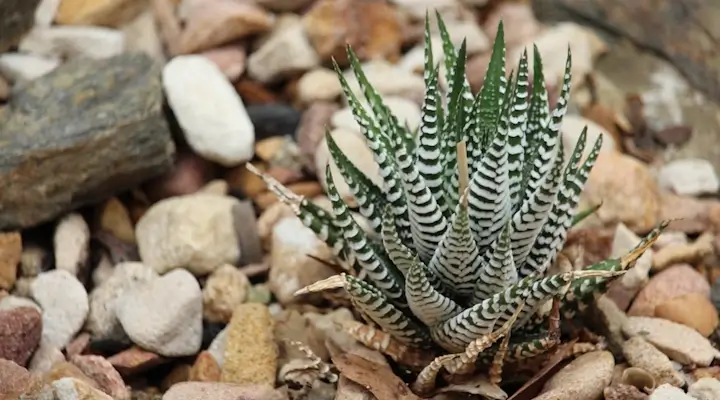
Still, it’s smart to give things a quick check. Wipe any leaf bits from your cat’s mouth and clear the mess around the pot. Keep an eye on your pet for the next day or so. If all you notice is a little drool or a one-time puke, that’s just irritation from chewing, not poisoning.
The only time to worry is when the symptoms don’t align. Repeated vomiting, diarrhea, or sudden lethargy aren’t caused by zebra haworthia. Those are red flags for cat-toxic plants like snake plants or aloe. If you see them, it’s time to call the vet—because your cat has probably found something more dangerous to chew.
Call a vet if:
- Vomiting continues
- Your cat seems lethargic
- Behavior feels off
Bottom line: Haworthia zebra plants are safe, but chewing any plant can still irritate your cat’s stomach—so it’s still worth keeping an eye on them.
Symptoms if Your Cat Chews a Zebra Plant
If your cat nibbles Zebra Haworthia, you can usually relax. This succulent is safe for cats, so you won’t see toxic reactions. At worst, expect a little drool or a one-time puke—more about fibrous leaves than poisoning. In fact, the biggest casualty is probably the plant.
One Reddit user shared that their cat ate half of a zebra plant within minutes. The cat was unharmed, but the plant was left in poor shape—an example of how the risk is mainly cosmetic for the plant.
Now, compare that to toxic plants. Aloe, snake plants, and ZZ are loaded with saponins and other irritants. Cats who chew those often face repeated vomiting, diarrhea, tremors, or that drained, glassy-eyed look every pet parent dreads.
So when do you actually worry? If the symptoms persist beyond mild stomach upset—such as persistent vomiting, diarrhea, or weakness—that points to a toxic plant, not zebra haworthia. That’s your cue to call the vet fast.
How do you know if your feline buddy has got snake plant poisoning? Check out my guide to the tell-tale signs your cat has licked a snake plant.
f your cat keeps circling back to your plants, a deterrent spray can take the pressure off without turning your home into a battleground. I’ve used citrus-based sprays like this before—light mist on the pot edges and nearby surfaces, not the leaves—and most cats lose interest fast. It’s not magic, but it shifts the habit. Works best when you pair it with a distraction like cat grass.
The Real Risk: Toxic Houseplants That Look Similar
Here’s where the confusion really happens. Zebra haworthia looks a lot like aloe vera plants—toxic for cats. At a glance, even some seasoned plant parents mix them up. The catch? Aloe is on the ASPCA’s toxic plants for cats list, while zebra haworthia is completely safe.
Snake plants also add to the mix. Those stiff, sword-like leaves also contain saponins, which can leave your cat vomiting and weak if chewed. ZZ plants fall into the same camp. They’re stylish, but absolutely not cat-friendly. That’s why zebra plants aren’t a good mix with snake plants and ZZ plant in a car-friendly indoor plant garden.
While you don’t need to stress about zebra haworthia, you do want to keep an eye out for the dangerous lookalikes. If your cat is showing real signs of poisoning, chances are they’ve found one of these toxic houseplants instead.
How To Cat-Proof Your Zebra Plant
Here’s the thing with zebra plants and toxicity to cats: it’s the plant that needs protecting, not your four-legged furry friend. Zebra plants—Horworthia fasciata or Aphelandra squarrosa to totally safe with pets in the house.
But here’s the thing that plant parents will tell you: Those neat striped rosettes can end up chewed down to nubs if you don’t get creative. Here are a few tricks plant parents swear by:
- Placement: High shelves, hanging planters, or glass terrariums keep plants out of reach. Cats love to climb, but they rarely bother with enclosed displays.
- Distraction: Offer cat grass or catnip nearby. Many owners say their cats leave houseplants alone once they have a safe snack.
- Deterrents: Citrus peels, double-sided sticky tape, or motion-sensor sprays make pots less inviting.
- Routine: Rotate plants to sunny spots where cats spend less time. Sometimes simply changing the environment does the trick.
Zebra haworthia may not poison your cat, but saving those striped leaves from tiny teeth is worth the effort.
Motion-Activated Pet Repellent: The “I’m Done Fighting This Cat” Fix
If your cat keeps testing your plants like a personal tasting menu… yeah, you’re not alone.
I’ve seen people move plants room to room just to stay one step ahead—only for the cat to follow five minutes later. At some point, you just want it handled.
That’s where motion-activated repellents come in.
These small devices sit near your plant. The second your cat gets too close, they release a quick burst of air or sound—nothing harmful, just enough to break the habit. No sprays. No shouting. No constant supervision.
Most cats figure it out fast. One or two surprises, and suddenly that plant isn’t interesting anymore.
It’s one of the easiest ways to keep cats away from plants—especially if you’ve got toxic varieties you don’t want them anywhere near.
Best for: stubborn cats, high-risk plants (like lilies), and anyone tired of playing plant bodyguard all day.
Quick reality check (so you’re not disappointed)
- Won’t work instantly for every cat—some test boundaries first
- Needs correct placement (too far away = useless)
- Best used alongside other small changes (like moving the “favorite target” plant)
Why people end up sticking with it
It’s passive.
You set it once… and it just handles the problem in the background. No daily effort, no guessing if your plant survived the afternoon.
And honestly? That alone is worth it.
What Is a Zebra Plant? (Quick ID for Cat Parents)
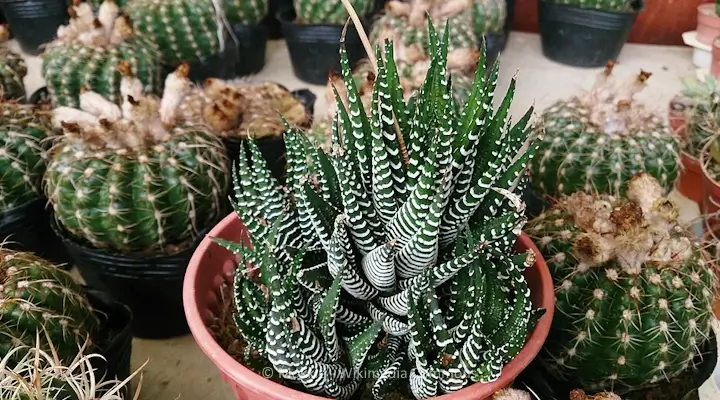
Zebra plants (Haworthiopsis attenuata and Haworthia fasciata) are those tidy little succulents you see on windowsills everywhere.
They’re characterized by dark green rosettes striped with white, bumpy bands. It’s an instant plant for beginners, thrives in bright indirect light, and is safe for cats. The problem? Its name gets tangled up with Aloe and Aphelandra, both of which have very different plant safety ratings.
Are you looking for more ideas on keeping cats safe around houseplants? Check out our comprehensive guide to keeping cats safe around plants.
Haworthia vs. Aloe vera
At first glance, Zebra Haworthia can trick you into thinking it’s aloe. Aloe leaves are thicker, filled with gel, and—here’s the kicker—aloe is a toxic plant for cats. Haworthia stays compact, clumps neatly, and its raised white tubercles make it easy to spot once you know the difference.
Haworthia vs. Aphelandra
Then there’s Aphelandra squarrosa, another “zebra plant.” Totally different type of plant in terms of growth habits and leaf shape. It has broad, glossy leaves with sharp white veins and flashy yellow blooms. It’s not a succulent at all, and while it’s usually listed as non-toxic and pet safe, it doesn’t overlap with Haworthia beyond the confusing nickname.
Related Toxic Plants to Cat Every Plant Parent Should Know
Zebra haworthia might be safe, but plenty of lookalikes and common houseplants aren’t. These are the ones that show up again and again on the ASPCA’s toxic plants for cats list:
- Aloe vera: Gel-filled leaves that soothe humans but cause vomiting and diarrhea in cats.
- Snake plant: Stylish, upright leaves loaded with saponins—bad news for pets.
- ZZ plant: Popular in offices, but toxic if chewed.
- Jade plant: A classic succulent that’s anything but cat-friendly.
- Pothos (Devil’s Ivy): Trails beautifully, but irritates the mouth and gut.
These are the plants to keep out of reach—or better yet, out of the house entirely if you’ve got cats. If your pet ever shows the red-flag symptoms of poisoning, it’s far more likely they’ve gotten into one of these, not your zebra haworthia.
Cat-Safe Plants That Pair Well With Zebra Haworthia
If you love the bold stripes of zebra haworthia but want more variety, good news—there are plenty of cat-friendly plants you can grow alongside it. These non-toxic choices also appear on the ASPCA’s list of safe products, so your collection looks lush without the worry.
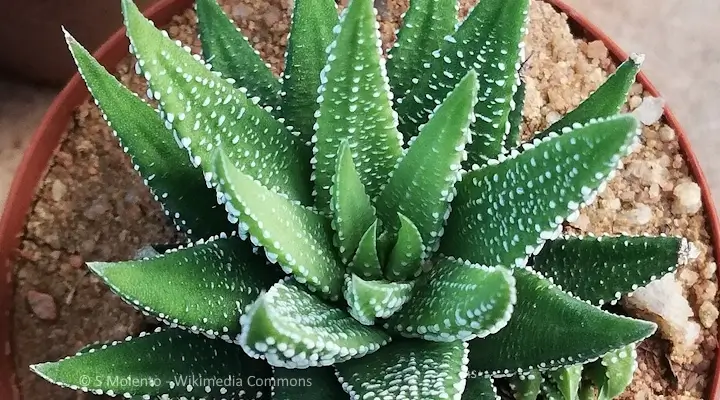
- Spider Plant (Chlorophytum comosum): Easy to grow, arching leaves, and totally safe. Cats often find them fun to bat at.
- African Violet (Saintpaulia): Soft, fuzzy leaves and colorful blooms that brighten shelves.
- Baby Rubber Plant (Peperomia obtusifolia): Glossy foliage, compact size, and pet-safe credentials.
- Prayer Plant (Maranta leuconeura): Striking patterned leaves that fold at night—safe and showy.
- Cast-Iron Plant (Aspidistra elatior): Hardy, dark green foliage that tolerates low light.
- Air Plants (Tillandsia): Minimal care, no soil required, and safe around curious paws.
- Aluminum Plant (Pilea cadierei): Shiny silver markings that pop next to zebra stripes.
Want plants that look this good without the worry? Explore my handpicked collection of succulents and cat-safe plants in the shop. Build a green space that’s stylish, pet-friendly, and totally stress-free.
Mixing zebra haworthia with these plants creates a cat-friendly collection that looks great and stays worry-free. No toxic compounds, no late-night vet calls—just a thriving indoor jungle.
Zebra Plants and Cats: FAQs
Are zebra plants confused with aloe plants?
Yes, all the time. Haworthia zebra plants are often mistaken for aloe because both have pointed, fleshy leaves and a similar rosette shape. The difference matters: zebra haworthia is considered non-toxic to cats, while aloe is toxic and can cause vomiting, diarrhea, and lethargy if chewed.
Why is my cat suddenly eating my houseplants?
Cats often chew houseplants out of curiosity, boredom, or because they like the texture of the leaves. Even safe plants like zebra haworthia can become a target if your cat keeps returning to the same shelf or windowsill.
Can non-toxic plants still make cats throw up?
Yes. A non-toxic plant can still irritate your cat’s stomach if enough leaf material is chewed or swallowed. With zebra haworthia, any reaction is usually mild and short-lived, not true poisoning.
What houseplants are actually toxic to cats?
Some of the most common toxic houseplants for cats include aloe, snake plants, pothos, lilies, and ZZ plants. These pose a much bigger risk than zebra haworthia, which is generally treated as pet-safe.
How can I stop my cat from chewing indoor plants?
You can make the habit less appealing by using deterrent sprays, motion devices, or moving plants to harder-to-reach spots. Many cat owners also have better luck when they offer cat grass as a safe alternative.
Do cats instinctively avoid toxic plants?
No. Cats do not reliably avoid toxic plants on instinct. Some will chew anything within reach, which is why plant identification matters more than assuming your cat will somehow know better.
