


As an Amazon Associate I earn from qualifying purchases at no extra cost to you.
If you’re searching “prayer plants toxic to cats,” you’re probably trying to avoid a mistake—or something just got chewed.
Here’s the short answer: prayer plants (Maranta and Calathea) are not poisonous to cats.
That’s the key point. No risk of toxicity if your beloved feline friend nibbles on a prayer plant leaf or stem.
But “non-toxic” doesn’t mean problem-free. Cats can still chew the leaves and throw up afterward—especially if they eat more than a small amount.
Prayer plants are just one type of plant in a broader severity guide to toxic and safe houseplants for cats — useful if you’re comparing several plants against a cat household.
So the real question isn’t just safety—it’s this:
👉 Do you need to worry if your cat eats a prayer plant leaf?
If you’re juggling houseplants, an indoor garden, and whiskers, the problems come with toxic lookalikes. Some plants with striking striped foliage—snake plants, monstera, dieffenbachia—carry toxic risks, and are easily confused with prayer plants.
On forums, I often see panicked posts: “My cat chewed half a leaf, what now?” The comforting reply always comes back—safe plant, no poisoning, maybe just mild tummy upset. Usually, the saddest victim when a cat chews a prayer plant leaf is the plant itself.
With that peace of mind, let’s dive into what makes prayer plants a pet-friendly choice, what to watch for if your cat samples a leaf, and how to tell them apart from toxic lookalikes.
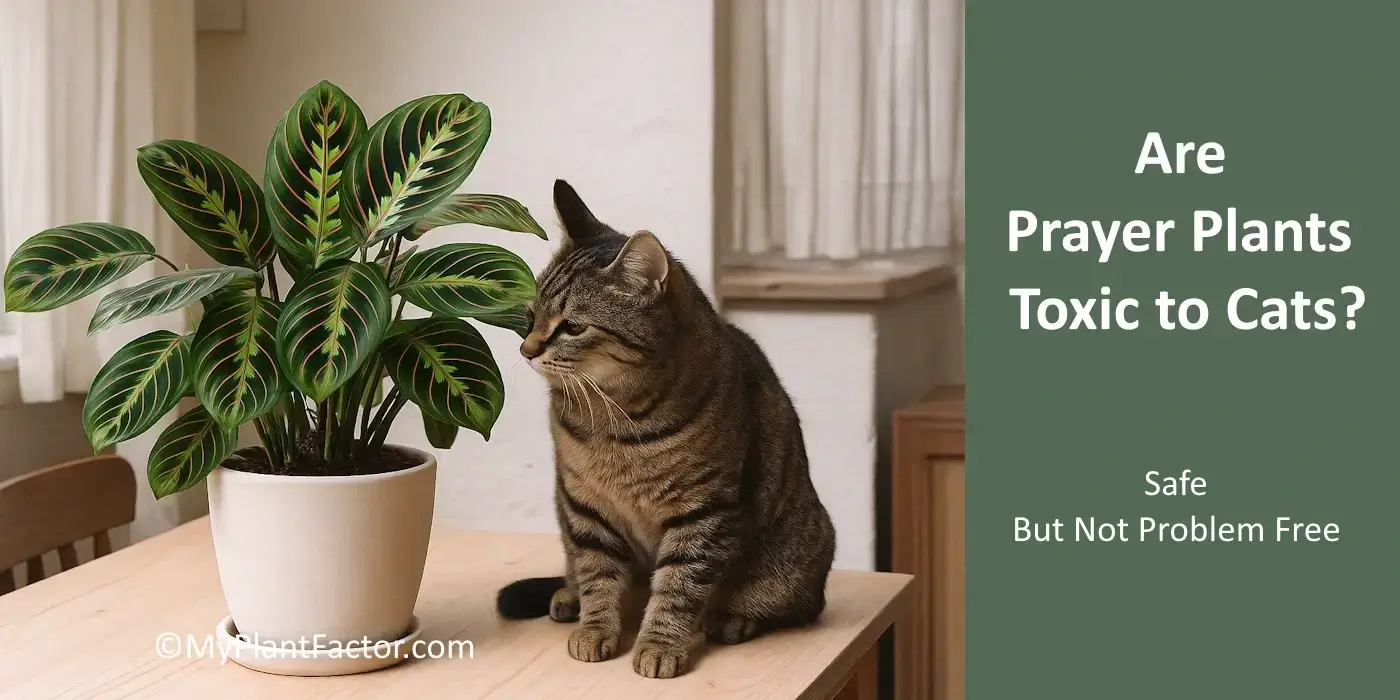
Are Prayer Plants Toxic to Cats?
Table of Contents
- Quick Answer + Heather’s Hook
- Are Prayer Plants Toxic to Cats?
- What Happens if Your Cat Eats a Prayer Plant
- What To Do If Your Cat Eats a Prayer Plant
- What Is a Prayer Plant? Quick ID for Cat Parents
- The Real Risk: Toxic Lookalikes You’ll See Everywhere
- Cat-Proofing Tricks That Actually Work
- Other Cat-Safe Plants You’ll Love
- Cat-Friendly, Patterned Plant Ideas
- Prayer Plant FAQ
Prayer plants are non-toxic to cats. Both Maranta and Calathea are listed as safe by the ASPCA on its list of non-toxic, pet-friendly houseplants.
That’s the part that matters. If your cat takes a bite, you’re not dealing with poisoning.
Plant names can get confusing. Labels vary between Maranta and Calathea, but the safety status stays the same—non-toxic.
That said, chewing can still cause mild stomach upset or vomiting. Not dangerous, just something to watch.
Want a wider safety net for your home? See my hub on cats and houseplants for placement tricks and training cues that save both leaves and sanity.
What Happens if Your Cat Eats a Prayer Plant
Even safe plants make some cats a little queasy. Chewing tough leaves can trigger a one-off vomit. Sometimes there’s drooling. Sometimes nothing at all. It’s not poisoning. It’s fiber and drama, then back to naps.
Social proof helps calm the nerves. There’s a thread titled “My cat attacked my prayer plant—what’s the best course of action?” The responses read like a collective exhale. People tidy up, offer water, watch briefly. Most report no lasting issues.
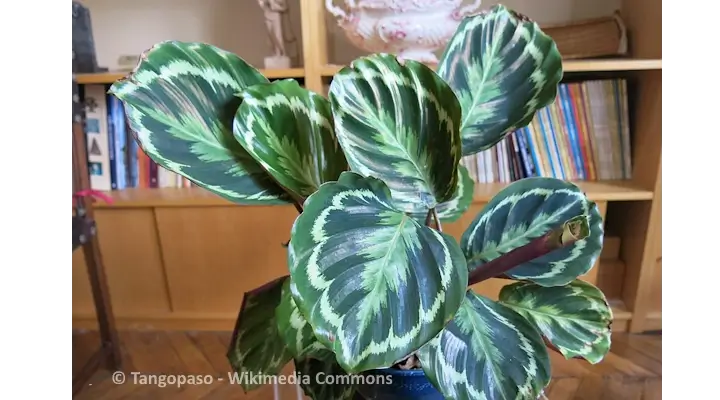
If you see repeated vomiting, lethargy, or mouth pawing, pause. That can mean a different plant was involved. Many homes mix species on one shelf. The culprit isn’t always the leaf with the bite marks.
What To Do If Your Cat Eats a Prayer Plant
Here’s a calm, practical checklist that actually helps.
- Remove chewed bits. Wipe your cat’s mouth if needed.
- Offer fresh water. A chilled bowl after a nibble is popular.
- Watch for repeat vomiting or odd behavior for 12–24 hours.
- Call your vet if symptoms persist or escalate. A quick plant photo helps.
- Double-check the plant ID. Safe status relies on correct names.
Quick litter box note. After a leaf-munching marathon, stools can look stringy. That’s just fiber. Not fun to scoop, not a crisis.
Just like with prayer plants, most types of hoya plants are safe for cats and don’t pose any health risks if they nibble on a leaf.
What Is a Prayer Plant? Quick ID for Cat Parents
Let’s ID your green buddy fast. Maranta leuconeura sits low and wide. Leaves are oval, with red fishbone veins and a pale midrib. At night, the leaves fold up, like tiny hands—hence the name “prayer plant.” It’s charming. And yes, it’s green leaves that fold up are totally normal.
In bright, indirect light, colors pop. Too much sun washes them out. Humidity keeps the edges smooth, not crispy. Low to medium light tolerance, decent in apartments. When humidity tanks, they pout. A tray of pebbles and water helps.
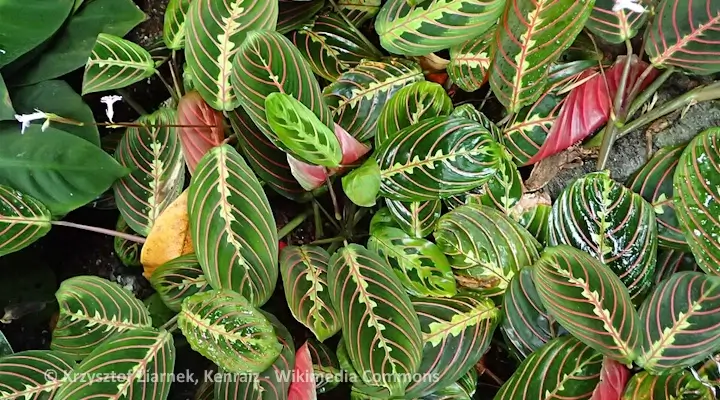
You’ll also see “prayer plant” used for rattlesnake plant, often sold as Calathea insignis. Taxonomy shifts around, but the headline stays steady. Marantaceae beauties are pet-safe.
The Real Risk: Toxic Lookalikes You’ll See Everywhere
Here’s where people get tripped up. They buy a safe “patterned plant,” then unknowingly mix it with a toxic twin. The foliage vibe matches, but the chemistry doesn’t. This is why I link toxic guides inside pet-safe articles.
- Snake plant. Beautiful and architectural, also a cat magnet. Contains saponins that can upset tummies. Learn more: Snake plant toxicity.
- Aloe. Great for human scrapes, not for cats. Anthraquinones can cause vomiting or diarrhea. Details: Aloe and cats.
- ZZ plant. Trendy and glossy. Insoluble oxalates can irritate when chewed. Read: ZZ plant toxicity.
- Monstera. Statement leaves with splits or holes. Oxalates can cause mouth pain and drooling. Guide: Monstera and cats.

Still sorting out what’s what? Bounce back to my pillar on keeping cats safe from plants. It’s the central playbook for placement, training, and those what-if moments.
Deterrents That Reduce the Risk of Cats Eating Plants Fast
If toxic lookalikes are even a possibility, the safest move is simple—stop the chewing altogether.
You don’t need to rely on perfect plant ID if your cat loses interest in the plant.
What actually works:
- Bitter or citrus deterrent sprays – most cats hate the taste and stop after one try
- Sticky surfaces or plant guards – break the habit by making access unpleasant
- Pebbles or pinecones on soil – stops digging and reduces curiosity
Cat deterrent sprays for houseplants are usually the easiest win. Quick to apply, low effort, and they work without changing your setup.
If your cat keeps going back to the same plant, that’s your cue—add a deterrent before it becomes a habit.
Cat-Proofing Tricks That Actually Work
Let’s save your foliage with zero guilt. I keep it practical at home because my cat has the hops of a basketball player.
- Use cat-boring zones. Prayer plants don’t need sun-blast windows. Tuck them under bright, indirect light on a sturdy shelf with no launchpad nearby.
- Go vertical with intention. Hanging planters help, but not above a bookcase. Remove the ladder, not just the temptation.
- Add a decoy. A fresh pot of cat grass near the plant shelf works wonders. It gives nibblers a legal chew zone.
- Make the rim unfun. Wobbly edges reduce perching. A narrow macramé sling or a stand with a lip makes balancing awkward.
- Smell signals. Citrus peels on the soil surface can discourage repeat visits. Skip oily essential sprays around pets.
Pair these with quiet training. A soft ah-ah, a redirection to toys, and you’re golden. Behavior sticks when we repeat it without drama.
The Easiest Way to Stop the Problem Completely
You can train your cat. You can block access. Or you can make the plant irrelevant.
Most cats chew plants out of boredom or instinct—not hunger. So instead of constantly saying “no,” give them a better option.
Here’s what actually works long-term:
- Keep a pot of cat grass where your cat already hangs out
- Use a natural deterrent spray on leaves they keep targeting
- Move sensitive plants to shelves with no jump-off points
A lot of cat owners find that purchasing a cat grass kit is an effective way to cut their furry friend’s obsession with houseplants. It gives them something safe to chew—and you stop playing defense all day.
If your setup still feels like a battle, that’s your signal to simplify. Less effort, less stress, same result.
Other Cat-Safe Plants You’ll Love
Want pattern and color without worry? These pet-friendly picks look striking beside prayer plants and keep the vibe calm at home.
Zebra Haworthia (Haworthiopsis attenuata)
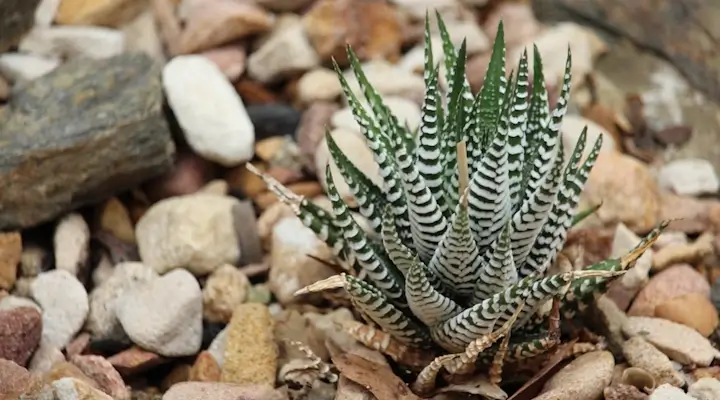
Compact rosettes, tidy stripes, zero drama. Great for bright desks and shelves where curious paws patrol. Get the full safety rundown here: Zebra plants and cats.
Purple Passion Plant (Gynura aurantiaca)

Fuzzy, electric-purple leaves that look like velvet under window light. Keep the soil lightly moist and enjoy the glow. Learn more and styling ideas: Purple Passion Plant guide.
Purple Waffle Plant (Hemigraphis alternata)
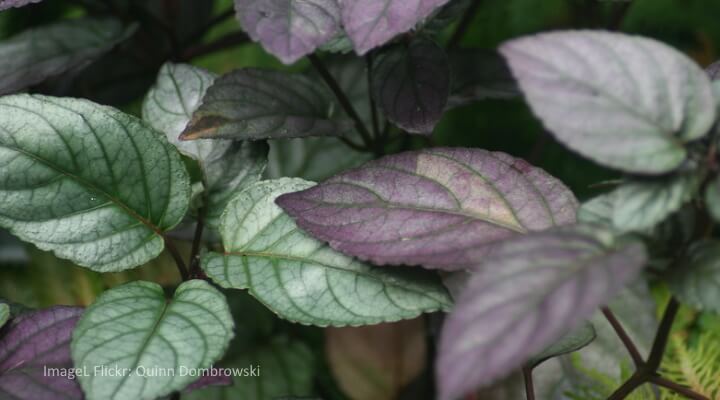
Crinkled texture, green tops, purple undersides. Loves humidity and soft light. It’s an easy way to add color to a pet-safe shelf. Read the care notes: Purple Waffle Plant guide.
Building a safe, patterned mix? Pair these with prayer plants, spider plant, and baby rubber plant. If you’d like an easy start, browse the pet-friendly picks in my shop.
Cat-Friendly, Patterned Plant Ideas
“Safe patterned houseplants” is my love language. Prayer plants are an obvious pick. Pair them with spider plant, baby rubber plant, African violet, or a velvet calathea. Build a pet-safe, texture-rich shelf that still looks editorial.
Want low-risk shopping without the late-night spiral? Browse my curated picks in the shop. Tight, stylish, cat-friendly on purpose.
Is a Prayer Plant a Good Fit for a Cat Household?
A prayer plant is a solid pick if toxicity is the main worry — it’s non-toxic, so an occasional nibble isn’t a vet-visit situation. It’s a worse pick for a cat that treats leaves as toys, since the thin, moving foliage invites play more than a sturdier plant would. Fine for a calmer cat or an elevated spot, less fine mid-chewing-phase kitten.
Prayer Plant FAQ
Are prayer plants safe for cats?
Yes. The ASPCA lists prayer plants as non-toxic to cats and dogs. You may see them under “Prayer Plant,” “Maranta,” or “Red Veined Prayer.” All are safe.
What happens if my cat eats a prayer plant?
Most cats are fine. Some drool or vomit once from leaf fibers. That’s irritation, not poisoning. Monitor, offer water, and call your vet if symptoms persist.
Is Calathea insignis the same thing?
Different species, same family vibe. Often sold as a “prayer plant” too. It’s also listed as non-toxic, alongside Maranta.
How do I tell prayer plant from toxic lookalikes?
Maranta has fishbone veins and folds its leaves at night. Snake plant is stiff and upright. Monstera has holes or splits. When in doubt, check our toxic guides.
My cat keeps shredding leaves. Help?
Move the plant to a cat-boring zone, add cat grass, and remove launchpads. Hanging planters or high shelves without ladders work well. See the full guide on keeping cats safe from plants.
