

How to Use Purple Plants in Home Decor (Styling, Color & Design Tips)
Purple plants in home decor have this sneaky way of making a room feel pulled together—even when nothing else is. I found that out one lazy Sunday, sipping cold coffee beside a scraggly Tradescantia I’d rescued from the clearance shelf. By dusk, that little plant had turned my cluttered corner into a vibe.
Table of Contents
- Why Purple Just Feels Different Indoors
- Quick Guide: How to Choose Purple Plants for Home Decor
- How Purple Plants Change a Room’s Personality
- Real vs Artificial: The Same Drama, Different Life
- The Invisible Chemistry: Light, Air & Mood
- Can Purple Plants Improve Air Quality and Wellbeing?
- Easy-Care Purple Plants for Busy Homes
- Styling Tricks and Pot Color Pairings
- Pet-Friendly Purple Plants (Because Cats Will Be Cats)
- Indoor Purple Plants for Your Home: FAQs
It’s hard to explain unless you’ve seen it happen. Purple doesn’t scream like tropical green—it hums. It adds mood, not mess. One pot by a window, one hanging near your desk, and suddenly your space looks curated. Even if, let’s be honest, you’re still surrounded by half-dead basil.
Why Purple Just Feels Different Indoors
Ask any plant group on Reddit and you’ll hear it: purple foliage is the “quiet show-off” of home styling. It looks moody, artistic, a little mysterious. I once swapped my golden pothos for a purple waffle plant near the couch—same light, same pot, but it changed everything. The room looked more…intentional.
There’s real science behind it too. Researchers have discovered that purple sits between calm blue and energizing red, which makes it grounding and creative. When I’m working late, the deep tones from my Calathea Dottie feel like they’re dimming the noise in my brain. It’s color therapy—no diffuser required.
And maybe that’s why purple plants never really go out of style. They’re equal parts cozy and confident, like someone who knows they look good but doesn’t brag about it.
Quick Guide: How to Choose Purple Plants for Home Decor
| Room/Setting | Best Purple Plant | Why It Works |
|---|---|---|
| Living Room | Persian Shield (Strobilanthes dyerianus) | Striking iridescent purple foliage adds vibrancy and elegance to shared spaces. |
| Bedroom | African Violet (Streptocarpus saintpaulia) | Compact size and soothing blooms create a relaxing, low-maintenance environment. |
| Bathroom | Calathea (Calathea spp.) | Thrives in high humidity, adding a tropical, spa-like feel with its patterned leaves. |
| Kitchen | Purple Basil (Ocimum basilicum) | Beautiful and functional, it provides a pop of color and a flavorful culinary herb. |
| Office/Workspace | Purple Waffle Plant (Hemigraphis alternata) | Compact and unique, it enhances focus with vibrant foliage in small desk spaces. |
| Children’s Room | Purple Shamrock (Oxalis triangularis) | Fun, whimsical triangular leaves make it a playful and low-risk option for kids. |
| Entryway | Purple Heart (Tradescantia pallida) | Hardy and dramatic, its trailing stems create a welcoming first impression. |
| Hanging Baskets | Inchplant (Tradescantia zebrina) | Vibrant purple-and-silver striped leaves cascade beautifully for vertical spaces. |
| Pet-Friendly Areas | Gloxinia (Sinningia speciosa) | Non-toxic with stunning purple blooms, perfect for homes with pets. |
| Bright Sunlit Corners | Lavender (Lavandula spp.) | Aromatic and thrives in full sunlight, adding fragrance and charm to sunny areas. |
How Purple Plants Change a Room’s Personality
Every space has its own personality—some are loud, others whisper. The fun part? Purple houseplants know how to match both. They carry mood. They pull a dull corner into focus. And they do it without you repainting walls or spending your Sunday scrolling “decor style” boards you’ll never recreate.
Living Room – The Quiet Show-Off
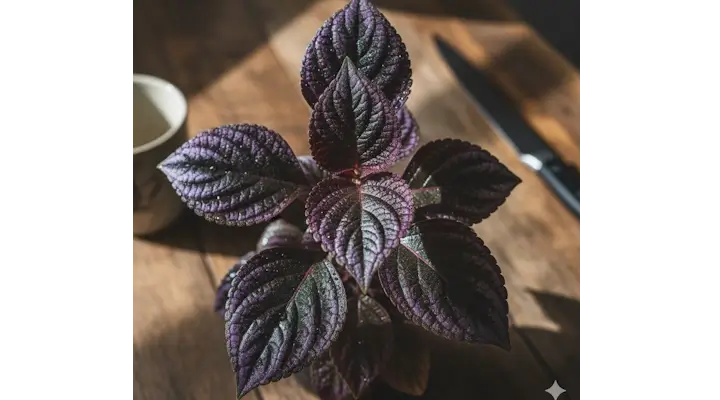
My Strobilanthes dyerianus (Persian Shield) owns the living room. The way its purple foliage shimmers in afternoon light makes my beige sofa look like it was chosen on purpose. When people visit, they always notice that plant first—never the mess I forgot to hide.

I’ve seen Tradescantia pallida used the same way in greenery home decor posts—purple leaves spilling over white shelves, acting like art. That pop of color gives the space warmth and personality without screaming for attention.
Or what about purple flower plants like African Violet? Its fuzzy green leaves and deep purple flowers look stunning on a coffee table.
Bedroom – Mood Lighting You Can Water
Purple belongs in bedrooms. Gynura aurantiaca (Velvet Plant) glows under low light, giving off this cozy, romantic vibe—like candlelight, but safer. Just cut the flowers off before you wonder where the stench of dirty socks is coming from.

Even Oxalis triangularis, with its triangular leaves that fold at night, feels alive in a way LEDs never could. It’s living mood lighting.
Workspace / Home Office – Purple Means Focus, Not Fuss
When your brain’s juggling a dozen tabs, color matters. I keep a Begonia rex-cultorum beside my laptop—the veins look hand-painted. It’s grounding without being dull. Some of my plant buddies swear by Maranta leuconeura for the same reason; its gentle movement through the day makes even spreadsheets feel slightly less soul-crushing.

If your office lacks natural light, fake it. A small faux decorative plant with purple blooms adds personality without judgment when you forget to water for… weeks.
Kitchen – Small, Lively, and a Bit Edible
I’ve got Tradescantia zebrina trailing off a spice rack and purple basil sitting pretty in a container near the sink. Together they add freshness and that hint of “I totally have my life together.” In darker kitchens, a sprig of artificial lavender flowers or a faux banana leaf plant adds the same lift—no sunlight required.
Entryway – The Five-Second First Impression
My front door has a single pot of Cordyline fruticosa next to a threshold artificial plant—a mix of real roots and smart fakery. It’s small, but the purple tones catch light beautifully. Every visitor pauses there. I always smile and think, “See? Plants notice you first.”
Real vs Artificial: The Same Drama, Different Life
Not every corner can handle live purple indoor plants, and that’s okay. That’s why plant lovers mix real foliage like Tradescantia zebrina with a few quality faux decorative plants or artificial lavender flowers to keep your color story consistent. Real brings texture, faux brings balance—and honestly, no one can tell the difference unless they touch the soil.
For most indoor gardeners, there’s just something special about real purple house plants over artificial flowers. Living foliage moves with the light, it breathes, it reacts. That tiny pulse of change is what makes your home feel alive. Faux plants stay still; real ones remind you the air’s moving, too.
The Invisible Chemistry: Light, Air & Mood
Light changes everything. The way your Oxalis triangularis opens at dawn or how a Maranta leuconeura folds its leaves at night—it’s like watching a slow-motion conversation between your plants and the sun. Place them right, and the color deepens into that dreamy amethyst tone that turns heads.
I’ve learned the hard way that purple leaves crave balance. Too little light, and they fade to dull green; too much, and they crisp like autumn leaves. My Gynura aurantiaca once went from velvet to parchment in a week because I thought “south window” meant love. Lesson learned: bright, indirect is the sweet spot.

And air? It matters more than we admit. Purple plants breathe differently—most are low-light, drought-tolerant types that still like a soft breeze or open window. When the room feels heavy, I crack the window near my Adiantum venustum and suddenly the air smells fresher, less like yesterday’s coffee.
If you want to lift the mood without buying another diffuser, try pairing a real plant with something scented like Lavandula spp. or a sprig of artificial lavender flowers. It tricks the senses—smell, sight, calm—all at once. Think of it as low-maintenance aromatherapy with better aesthetics.
Can Purple Plants Improve Air Quality and Wellbeing?
Turns out, purple plants don’t just look pretty—they pull double duty. NASA’s famous clean-air study found many indoor species help filter toxins like benzene and formaldehyde. Varieties such as Tradescantia zebrina and Maranta leuconeura (Prayer Plant) quietly scrub the air while lifting your mood.
I notice it most on humid mornings—my room just smells cleaner. It’s subtle, but real.
Easy-Care Purple Plants for Busy Homes
If watering schedules stress you out, I’ve got you. Some purple indoor plants are so forgiving they could survive a Netflix binge gone wrong. My go-to list? Gynura aurantiaca (Purple Passion Plant), Oxalis triangularis (Purple Shamrock), Tradescantia pallida (Purple Heart), and Cordyline fruticosa.
They’re resilient, pet-friendlier than most, and thrive on neglect. You’ll find each in my 25+ Stunning Purple Houseplants guide—with light, water, and care tips for every skill level.
Styling Tricks and Pot Color Pairings
Let’s talk pots. Purple foliage pops against matte white, muted terracotta, or deep charcoal tones. Shiny pots can steal the spotlight—choose soft, textured finishes instead. For moody corners, pair purple with silver or green companions like Adiantum venustum or Hosta plantagineas.
If you love contrast, try “midnight purple + cream walls” or “lavender leaves + golden brass planters.” They balance cozy and elegant perfectly. And for low-light areas, artificial greenery in matching tones keeps your palette consistent year-round.
Pet-Friendly Purple Plants (Because Cats Will Be Cats)
If you live with furry roommates, you know the struggle—beautiful plants meet curious mouths. The good news? Some purple houseplants are safer than they look. My top picks: Tradescantia zebrina (mildly irritating but rarely serious if nibbled), Oxalis triangularis, and Maranta leuconeura.
For fully pet-friendly options, try faux. Artificial plants and artificial greenery add the same color without the vet bills. I keep one faux lavender on my cat’s favorite windowsill—she thinks it’s hers; I think it’s genius.
You’ll find more safety notes and real pet reactions in my Purple Houseplants Toxicity Guide.
Indoor Purple Plants for Your Home: FAQs
Are purple indoor plants natural or dyed?
Most are completely natural! Varieties like *Tradescantia pallida*, *Oxalis triangularis*, and *Gynura aurantiaca* naturally produce purple pigments (anthocyanins). A few houseplants get a little color boost from light conditions, but true **purple foliage** doesn’t come from dye.Do purple plants need special lighting?
Not really—most prefer bright, indirect light. Direct sun can fade leaves or scorch tender edges. If your space is dim, add a soft LED grow light to keep their color rich. Even **artificial greenery** benefits from nearby light—it helps faux leaves look more realistic.Which purple houseplants are easiest to care for?
Try *Tradescantia zebrina*, *Cordyline fruticosa*, *Oxalis triangularis*, or *Begonia rex-cultorum.* They tolerate missed waterings and low light without drama.Are purple houseplants pet friendly?
Some are safe, others mildly toxic if chewed. For households with cats or dogs, stick with *Maranta leuconeura* or faux options like **artificial lavender flowers**.How do I pair purple plants with my decor style?
For modern spaces, go minimalist—**purple plants** in matte white pots. Boho homes? Mix terracotta with trailing *Tradescantia.* Metallic finishes add glam to darker purples like *Strobilanthes dyerianus.* It’s all about contrast and texture.Wrap-Up: Where the Color Lives
When people ask why I fill my house with purple houseplants, I just laugh—it’s not about color, it’s about temperature. Purple cools a space without draining it. It’s confident but kind, like a friend who always looks put-together but never makes you feel underdressed.
Whether it’s a moody Strobilanthes dyerianus, a resilient Cast Iron Plant, or a vase of faux hydrangea blooms, the goal’s the same: create corners that feel alive. You don’t need a decorator—or perfect light, or endless watering reminders. You just need the right shade of violet and the courage to let it take up space.
If you want ideas for specific varieties, check my full guide: 25+ Stunning Purple Houseplants (Easy & Pet-Safe Varieites)