


As an Amazon Associate I earn from qualifying purchases at no extra cost to you.
The purple passion plant is a stunning houseplant with vibrant purple and green leaves. Also called the purple velvet plant, this vining purple plant is known for its unusual velvety purple leaves, orange flowers, and easy-care requirements. What is the purple passion plant, and how can you care for it? This article provides comprehensive answers.
Houseplants beautify indoor spaces and offer numerous benefits, such as better air quality and lower stress levels. The purple passion plant stands out from the rest. Its striking purple foliage adds a touch of elegance to any room. However, there are several misconceptions and mysteries surrounding this intriguing plant.
This article delves into the truth about the purple passion plant. From its origins and care requirements to resolving common issues, we will uncover all there is to know about this beautiful houseplant.
[instagram-feed feed=2]
So, whether you already own one or are considering adding it to your collection, read on to discover the truth behind the allure of the purple passion plant.
What Is a Purple Passion Plant (Gynura aurantiaca)?
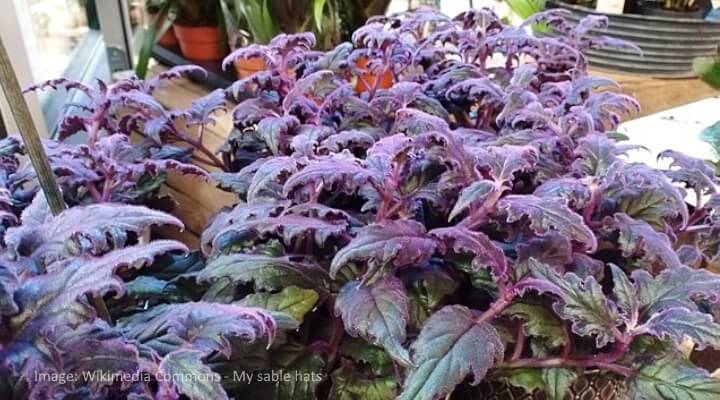
The purple passion plant (Gynura aurantiaca) is an evergreen perennial plant with fuzzy, deep purple and green leaves. The triangular pointed leaves have serrated margins with a metallic purple sheen. The purple houseplant grows up to 2 feet (60 cm) tall and blooms with orange flowers in adequate light conditions.
Gynura aurantiaca is a tropical plant native to Southeast Asia. The purple plant thrives in warm, humid environments. It’s typically found in the rainforests of Indonesia, Thailand, and Malaysia. In its natural habitat, it grows as a groundcover or climbs up trees using its vining stems.
Purple Passion Velvet Plant Overview
- Scientific name: Gynura aurantiaca
- Habitat: Native to Java and Sumatera
- Common names: Purple passion vine, purple velvet plant, royal velvet plant
- USDA hardiness zones: 10 and 11
- Soil types: Organically rich, well-draining
- Soil pH levels: 6.1 to 6.5
- Flower color: Orange
- Propagation method: Stem cuttings
Purple Passion Plant Care Overview
To care for a purple passion plant, place it in bright, indirect light, maintaining the soil mix consistently moist but not soggy. Water the potting soil when the top layer is dry. Keep the plant in a temperature range of 75°F to 85°F (24°C to 29°C) with medium to high humidity.
Purple Passion Plant Identification
Identifying the purple velvet plant is easy due to its stunning green and purple leaves and long trailing stems. Here are the main identifying features of the plant.
Purple passion plant leaves
The purple passion leaves are deep purple, velvety, heart-shaped leaves with serrated margins and covered in purple hairs. Mature leaves measure 3” to 4” (7.5 to 10 cm) in length and 2” or 3” (5 to 7.5 cm) wide. The rich, royal purple color adds a pop of vibrancy to indoor spaces, making it a popular houseplant.

Purple passion plant flowers
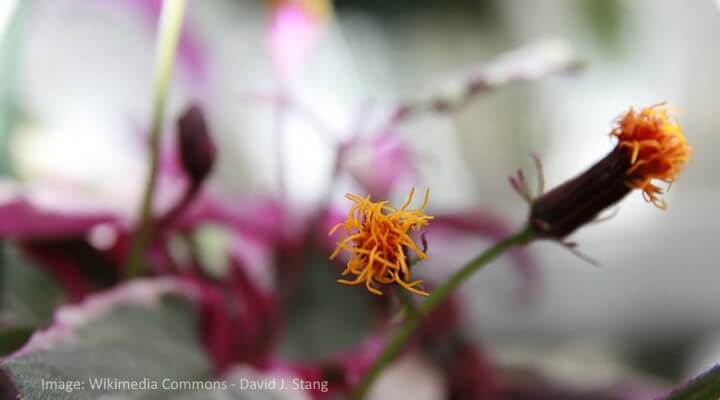
The purple passion flowers are small, orange-yellow blooms growing up to 1” (2.5 cm) long. The orangey, showy corymbs consist of wiry petals. They have up to five flowerheads per cluster, appearing in the fall and winter on the end of long stems. Purple passion flowers emit an unpleasant smell.
Purple passion vine
Purple passion plants have long, trailing vines covered in purple and green fuzzy leaves. The evergreen plant can grow as a bushy houseplant or a perennial vine. As a trailing plant, the purple passion vine grows up to 5 feet (1.5 m) long.
Notably, the term “purple passion vine” can also refer to the passionflower plant (Passiflora incarnate).
Velvet plant growth rate
The purple passion plant is a fast-growing perennial vine up to 7 feet (2.1 m) long in its native habitat. As an indoor houseplant, it grows moderately fast, maturing at 8 to 12 inches (20 to 30 cm) tall. The plant has vining stems and is popular for hanging baskets and containers.
Purple Passion Plant Varieties
The purple passion plant (Gynura aurantiaca) only has two cultivars—‘Purple Passion’ and ‘Variegated Purple Passion.’ Both varieties are known for vibrant purple leaves and fuzzy texture.
Velvet Plant ‘Purple Passion’
The Velvet Plant ‘Purple Passion’ is the most common variety. It’s a compact, medium-sized plant with deep purple-green serrated leaves with a fuzzy texture. The bushy vining plants don’t grow over one foot (30 cm) tall. This purple plant variety adds a pop of color and texture to indoor spaces.
Variegated purple passion plant
The variegated purple passion plant is a medium-sized houseplant with vibrant green leaves and soft pinkish-purple variegation leaves. The lance-shaped leaves have roughly serrated margins. The serrated leaves have various patterns—some are completely pink, and others are green with pale pink patches. Its trailing stems grow up to 5 feet (1.5 m) long.
How to Care for Purple Passion Plant
Purple passion plant care is relatively straightforward. Despite its exotic appearance, it thrives in regular household temperatures and humidity. You only need to water it regularly to prevent the soil from drying out. You should repot it every two years to encourage bushy growth.

In this care section, you will learn about the ideal conditions, watering needs, and essential tips for keeping your purple passion healthy and happy.
Light requirements
The purple passion plant thrives in indirect sunlight. Bright light in a sunny location ensures the plants flower indoors and have vibrant foliage. The locations for part-shade or indirect light are beside a north or east-facing window. It’s vital to protect the purple plant from direct sunlight.
If the light is insufficient, consider using artificial lighting. For example, LED grow lights can compensate for a lack of natural sunlight.
Soil requirements
Purple velvet indoor plants thrive in a well-draining soil-based potting mixture. A commercial, rich potting soil medium is ideal if you amend it with perlite or vermiculite. The ideal soil should be well-draining, slightly acidic to neutral (pH 6.1-6.5), and rich in organic matter.
Purple passion plants are vulnerable to root rot caused by waterlogged soil. The pot should have enough drainage holes to ensure moist soil without being too soggy. This reduces the risk of fungal diseases.
Additionally, it’s vital to avoid compacted soil. The condition prevents the roots from getting enough moisture from the soil. Also, the compacted root ball will have nowhere to grow, stunting the purple plant’s growth. Also, soil compaction can lead to fungal diseases such as powdery mildew or root rot.
How to water purple passion plant
Purple passion vine plants thrive in moist soil. To ensure adequate soil moisture, thoroughly water the potting medium when the top 1 inch (2.5 cm) of the soil surface is dry. Let excess water drain from the pot’s drainage holes. This keeps the soil consistently moist without becoming too soggy.
In the fall and winter, it’s vital to reduce watering frequency as the plant’s growth becomes dormant.
It’s crucial to monitor the plant for both over-watering and under-watering symptoms. These include the following:
- Yellowing leaves
- Wilting foliage
- A musty smell
- Dry and crispy leaves (underwatering)
Humidity requirements
The plants prefer humid conditions to thrive indoors. The ideal humidity level for purple houseplants is 40% to 60%. If your home has dry air, you can provide additional humidity by putting the plant pot on a humidity tray, using a humidifier, or grouping exotic houseplants.

To create a humidity tray, put a layer of stones on a shallow tray and add water until it reaches just below the surface of the pebbles. Place the plant on top of the small stones, ensuring that the pot’s base doesn’t sit directly in the water.
As the water evaporates, it will create a humid environment around the plant, keeping the soil consistently moist even in dry climates.
Purple passion vine temperature range
The ideal growing temperature range for the velvet plant is 75°F to 85°F (24°C to 29°C). The purple houseplants require consistent temperatures. Therefore, avoid placing the plant near a radiator, heating vent, or drafty window. A warm, humid environment helps the plant to thrive and remain healthy.
Fertilizer
Purple passion plants grow better with a nutrient boost every two weeks during the growing season. Use a balanced, water-soluble fertilizer. Plant experts recommend a plant fertilizer with an NPK ratio of 3-13-3 to give the purple plant more potassium. This encourages healthy growth and vibrant foliage.
Purple Passion Plant Propagation
Propagating a purple velvet plant lets you grow more tropical houseplants from stem cuttings. You only need to cut a few healthy stems and root them in water or moist potting soil. New roots should begin to show after a few weeks, and you can repot the plant to a larger pot.
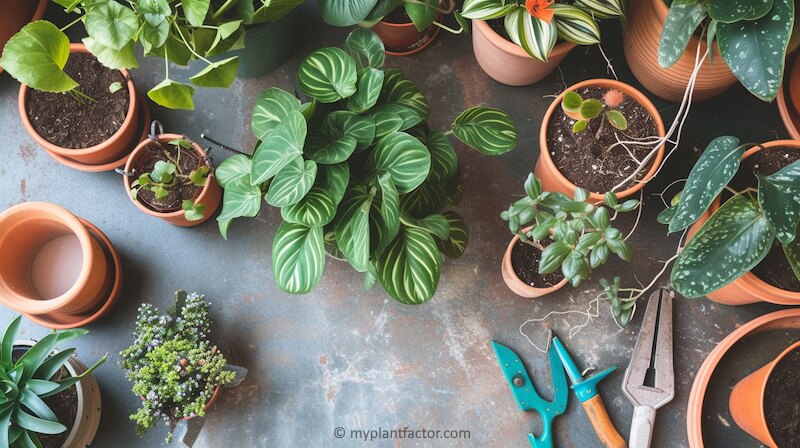
Here are step-by-step instructions on how to propagate a purple passion plant.
- Preparation: Prepare a clean work area and gather the necessary materials. You’ll need a sharp pair of pruning scissors or shears, a clean pot containing well-draining potting mix, and a small plastic bag.
- Stem selection: Select a healthy stem on the purple passion plant that is 4 to 6 inches (10 to 15 cm) long. It should have at least two sets of leaves near the tip. Make a clean cut just under a leaf node using the pruning shears.
- Stem preparation: Remove any leaves from the lower part of the cutting. But leave at least one or two sets of leaves at the top. This encourages root growth.
- Planting: Using your finger or a pencil, create a small hole in the potting mix. Carefully place the cutting into the soil, ensuring at least one node is buried. Gently press down the soil around the cutting to provide support.
- Create humid conditions: Place the plastic bag over the stem cutting and container to create a mini greenhouse environment. This retains moisture and promotes root development.
- Location: Place the pot in a warm, bright location, out of direct sunlight. Mist the potting medium regularly to keep it consistently moist, ensuring it’s never overly soggy.
- Repotting: After a few weeks, gently tug on the cutting. Resistance shows that roots have formed. Remove the plastic bag, continuing to care for the new plant as usual. Once new leaf growth emerges, repot the cutting to a larger pot.
Troubleshooting Purple Passion Plant Issues
Purple passion plants are generally trouble-free indoor plants. However, like any tropical houseplant, they can suffer from growth problems, pests, and diseases. Also, their flowers are malodorous and require cutting off before they bloom. Fortunately, the plant’s hairy leaves provide some protection from common pests.
Velvet plant pests
Here is a list of common bugs affecting purple velvet plant growth. You’ll also get solutions to eliminate the pesky critters from your purple plant.
Aphids
- Identification: Tiny, soft-bodied insects that come in various colors, such as green, yellow, or black. They feed on plant sap and can cluster on the undersides of leaves.
- Solutions: Spray the affected plant with a strong stream of water to physically remove aphids. Use insecticidal soap or an organic neem oil solution. Apply it to the leaves and stems every seven days.
Mealybugs
- Identification: Small, cotton-like insects that gather in clusters, often found on the undersides of leaves or in leaf axils. They suck plant sap, leading to wilting and stunted growth.
- Solutions: Remove mealybugs manually using a cotton swab dipped in rubbing alcohol. Apply a natural water and dish soap mix. Put a few drops in a spray bottle, fill with water, and spray directly to the affected areas. Use organic neem oil or an insecticidal soap solution to treat persistent mealybug infestations. Repeat applications as needed.
Spider Mites
- Identification: Tiny arachnids that suck plant juices, causing stippling, discoloration, and fine webbing on the leaves.
- Solutions: Increase humidity around the plant by misting the leaves regularly or placing a tray of water nearby.
Wash the plant under the shower to dislodge spider mites. Pay attention to the undersides of leaves. Apply a suitable insecticidal soap solution or neem oil to kill spider mites. Repeat treatments as necessary, as these pests can develop resistance.
General Tips for Pest Prevention
- Regular inspection: Routinely check the leaves, especially the undersides, for any signs of pests. Early detection helps prevent widespread infestations.
- Isolation: Isolate any newly acquired plants for a few weeks before introducing them to your collection. This helps avoid potentially spreading pests.
- Optimal growing conditions: Maintain proper growing conditions for your purple passion plant, including adequate sunlight, humidity, and well-draining soil. Healthy plants are more resistant to pests.
- Quarantine: If you notice signs of pests, consider isolating the affected plant to prevent the infestation from spreading to other plants.
Always follow the recommended instructions on any pest control products to safeguard your plants’ safety. Additionally, monitor the effectiveness of treatments and adjust your approach as needed to keep your purple passion plant healthy and pest-free.

Purple passion vine diseases
Overwatering is the main cause of disease in tropical purple plant varieties. Here is a list of common diseases, what to look out for, and simple solutions.
Root Rot
- Symptoms: Yellowing or wilting of leaves, foul odor from the soil, and dark, mushy roots.
- Cause: Overwatering or poorly draining soil leading to fungal infection.
- Solution: Allow the potting medium to dry out between watering to prevent waterlogged conditions. Ensure the plant pot has drainage holes and use well-draining soil. Trim and remove affected roots and repot the plant in fresh soil.
Botrytis Blight
- Symptoms: Grayish-brown mold on leaves, stems, or flowers, wilting, and damping-off of young plants.
- Cause: Fungal infection caused by high humidity and poor air circulation.
- Solution: Improve air circulation by spacing plants appropriately. Avoid overhead watering—instead, water at the base of the plant. Remove and discard affected plant parts and apply a fungicide if necessary.
Fusarium Wilt
- Symptoms: Yellowing, wilting, and drooping of leaves, often on one side of the plant.
- Cause: Fungal pathogen (Fusarium) affecting the plant’s vascular system.
- Solution: Remove and destroy plants infected by the disease to prevent the spread of the fungus. Ensure proper soil drainage to avoid waterlogged conditions. Consider using fungicide treatments as a preventive measure.
Growth issues
Purple passion plants can experience growth issues for the following reasons:
- Too much direct sunlight
- Poor lighting conditions
- Overwatering or underwatering
- Over-fertilizing a plant
Purple Passion Plant — FAQs
Does the royal velvet plant have flowers?
Under the right growing conditions, the purple passion blooms in fall and winter. Bright light encourages blooming, and the orange flowers on long stems emerge from the purple foliage. Unfortunately, the showy flowers have a malodorous scent, and it’s best to remove them.
Is the purple passion plant toxic to cats?
No, the royal velvet plant is not toxic to cats or dogs. The ASPCA puts Gynura aurantiaca on its list of non-toxic houseplants for cats and dogs. However, ingesting large quantities of the purple leaves can result in stomach upset.
Why is my purple passion plant droopy?
Your purple passion plant foliage becomes droopy due to overwatering, underwatering, lack of sunlight, or low humidity. However, insufficient watering is the most common cause of wilting leaves.
How can I revive a purple velvet plant?
First, you must understand what’s causing the growth issues. Check the soil’s moisture level, lighting condition, and roots if necessary. If the soil is completely dry, thoroughly water the plant. Also, consider placing the plant in a lighter location. Lastly, check the roots by removing the plant, dusting off the soil, and sniping off any brown, mushy roots.
