


As an Amazon Associate I earn from qualifying purchases at no extra cost to you.
The purple waffle plant is the perfect houseplant addition to add color to your indoor spaces. The purple plant is known for its vibrant green and purple leaves with a puckered texture. Its low, compact growth means it’s ideal for almost any spot in your home. Additionally, the purple house plant has minimal care needs.
Purple plants are popular for their aesthetic appeal and dramatic dark foliage. The combination of rich, purple-tinted foliage creates a colorful contrast with other ornamental houseplants. They add depth and dimension to indoor spaces, making them more visually interesting. Also, purple houseplants, like the purple waffle plant, are highly versatile. They perform well in bright light on shelves, desks, or countertops without overwhelming the area.
This article explores the identification features of the purple waffle plant. You will also learn about its care and how to resolve common issues with this stunning houseplant.
Whether you’re an experienced plant enthusiast or a beginner plant parent, you will get the information you need to know about this beautiful and captivating houseplant.
What Is a Purple Waffle Plant (Strobilanthes alternata)?
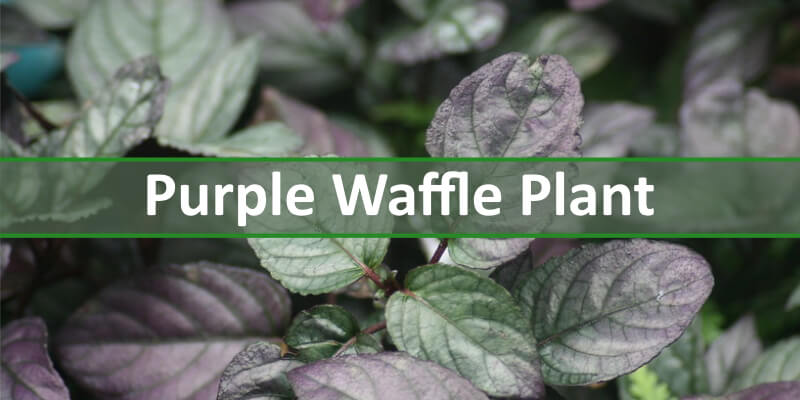
The purple waffle plant is a tropical houseplant with metallic green-purple foliage. Features of the purple indoor plant are its ovate leaves, featuring sunken veins, giving them a waffle-like appearance. The waffle plant blooms with trumpet-shaped, off-white flowers. Each bloom has five round lobes and purple streaks. It grows 12 inches (30 cm) tall.
The natural habitat of purple waffle plants is the forest floor in tropical climates. They belong to the family Acanthaceae and grow outdoors in USDA hardiness zones 10 and 11. Due to their intolerance of cold, the tropical plants grow as annual bedding plants in temperate climates.
Purple waffle plant leaf description
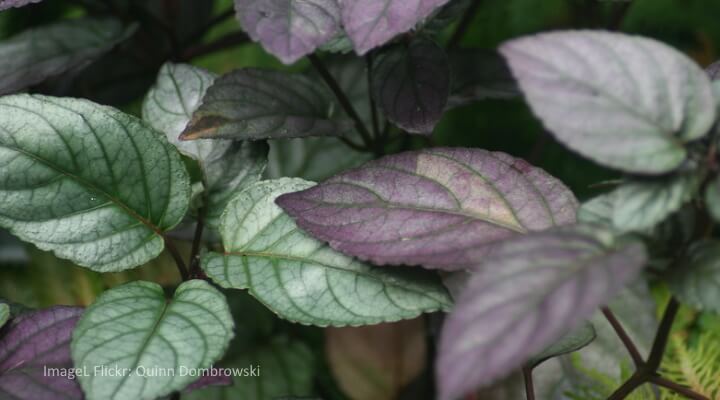
Purple waffle plant leaves are identified by their triangular or ovate shape and toothed margins. They have an easily identifiable ripple leaf texture from sunken veins. Also, the green tropical leaves have a metallic purple coloration. They are arranged alternately on stems and grow 3 to 6 inches (7.5 to 15 cm) long.

Purple Waffle Plant Care Overview
Purple waffle plant care involves providing bright, indirect light and rich, moist, humusy, well-drained soil. Thoroughly water the purple plant when the top layer of soil is dry and allow excess water to drain. The waffle plant requires humidity levels of 50-70% and temperatures between 65°F and 75 °C (18 °C to 24 °C).
Purple Waffle Plant — Quick Facts
- Scientific names: Strobilanthes alternata and Hemigraphis alternata
- Habitat: Topical Malaysia and South East Asia
- Common names: Purple waffle plant, metal leaf plant, red flame ivy plant, and waffle plant
- USDA hardiness zones: 10 and 11
- Soil types: Rich, loamy, or humusy soils
- Soil pH levels: 6.1 to 6.9
- Repotting frequency: Every four to five years
Cats at home? Purple waffle plant (Hemigraphis—sold as H. alternata or H. exotica) is listed by the ASPCA as non-toxic to cats and dogs. A curious nibble may cause brief tummy upset from leaf texture, not poisoning. For placement hacks, see our guide to keeping cats safe from plants.
The purple waffle plant also pairs well with other cat-safe houseplants, like prayer plants that are non-toxic to pets.
Types of Purple Waffle Plants
The traditional purple waffle plant is a compact plant with green and purple leaves. However, various purple plant cultivars exist that add extra dimensions to this popular houseplant. Each plant cultivar has distinct characteristics and growing requirements.
‘Snow White’ purple waffle plant
The ‘Snow White’ purple waffle plant is a variegated variety. Its beautiful foliage features light green leaves with stunning white and pink margins. These create a unique and eye-catching display of variegated tropical leaves. The variegated ‘Snow White’ waffle plant grows 6 inches (15 cm) tall and spreads 12 inches (30 cm) wide.
The ‘Snow White’ Strobilanthes alternata is a unique, visually appealing plant for adding a touch of color and texture to an indoor space.
‘Belgian Waffle’ purple waffle plant
The ‘Belgian Waffle’ Strobilanthes alternata is a waffle plant with colorful leaf variegation. The attractive oval leaves feature medium green colors with creamy-yellow patches. The leaf undersides have purple coloring, adding to the attractiveness of the tropical plant. The indoor waffle plant grows up to 12 inches (30 cm) tall and 18 inches (45 cm) wide.
The ‘Belgian Waffle’ plant is a stunning low-maintenance addition to an indoor tropical plant collection.
Purple Waffle Plant’ Exotica’
The purple waffle plant ‘Exotica’ is identified by its shiny green and purple foliage. Typical of waffle plants, the ovate leaves have a puckered waffle-like texture. The colorful leaf blades measure up to 6 inches (15 cm) long and have green-gray upper sides and purple undersides. The slow-growing plant blooms in summer with white tubular flowers.

The purple waffle ‘Exotica’ cultivar is a visually appealing and relatively low-maintenance plant. It is an easy-grow indoor houseplant, adding a touch of exotic beauty to bright rooms.
Dragon’s Tongue (Hemigraphis repanda)
“Dragon’s Tongue” is a unique type of purple waffle plant featuring narrow, colorful leaves with rippled margins. The slow-growing tropical plant blooms in early summer with attractive white flowers. However, blooming indoors is relatively rare. The deep purple shades contrast nicely with other houseplants. The purple plant grows up to 8 inches (20 cm) tall.
The plant gets its name from the narrow, purple-green leaves resembling the shape of a dragon’s tongue. This feature makes the clumping plant distinctive in tropical houseplant collections.
[instagram-feed feed=2]
Purple Waffle Plant Care
Waffle plants with purple and green leaves are dramatic, easy-care houseplants. The carefree plant performs best when its growing conditions mimic its native habitat. Thankfully, typical household temperature and humidity conditions are ideal for growing the plant indoors. All you need to do is protect it from direct sunlight.
Here is our complete purple waffle plant care guide.
Watering recommendations
Purple waffle plants thrive in moist, well-draining soil. Therefore, water the potting soil when the top 1 inch (2.5 cm) is dry. The goal is to keep the soil moist without becoming overly soggy. Waffle plants don’t perform well in wet soil or saturated soils. The plant typically needs 0.8 cups of water every ten days during the active growth season.
The best watering recommendation is to wait until the soil partially dries, then water it until excess water drains from drainage holes. Remember, waffle plants don’t perform well in dry soil. So, ensure the root area consistently has moist soil conditions.
Top tip: Poke your finger 1 inch (2.5 cm) into the potting mix to check soil moisture levels. If it’s still damp, wait a few days before watering.
Humidity preferences
Purple waffle plants prefer high humidity levels. Ideally, keeping relative humidity between 50 and 70 percent would be best. To maintain suitable humidity, you can group exotic houseplants together. However, if you need additional humidity, place the pot on a pebble tray with water or near a humidifier.
Temperature range
Keep the purple waffle plant in a temperature range of 65°F to 75°F (18.3°C to 23.8°C). To ensure healthy plant growth, keep the purple foliage away from drafts, heating vents, and extreme temperature changes. The purple plant doesn’t perform well in temperatures below 55°F (13°C). Ensuring ample sunlight is vital for good growth.
Light requirements
Purple waffle plants require abundant sunlight but protected from direct light. Place the plant in filtered sunlight or partial shade. Direct sunlight can scorch the leaves, so protecting them from intense rays is important. Place it at an east-facing window or behind sheer curtains at a west or south-facing window.
Best soil type for purple waffle plant
Purple houseplants, like the waffle plant, require moist, well-drained soil. To improve drainage, you can use commercial potting soil if you amend it with perlite. It’s also vital to have drainage holes in the pot to prevent soggy soil that can cause root rot.
Remember to avoid using soil from the garden, as this can contain unwanted bugs, diseases, or fungi. Regular store-bought potting soil is ideal if you ensure it drains well.
Houseplant care tips: Fertilization
A balanced, water-soluble indoor plant fertilizer is the best fertilization method for a purple waffle plant. The best type of fertilizer is a slow-release 6-12-6 houseplant fertilizer. Dilute the fertilizer to half-strength and apply it every four weeks during the growing season. Replicating these growing conditions with plant fertilizers ensures lush growth.
Be careful not to overfertilize because this causes root burn or makes the plant grow leggy.
How to Repot a Purple Waffle Plant
Repotting a purple waffle plant can help encourage healthy growth. Repotting with a larger pot allows the roots more room to grow. You can also add fresh potting soil as this increases its nutrient content. At the same time, you can check the roots for rot and remove decaying ones as necessary.
Here are step-by-step instructions to repot a purple houseplant:
- Choose a slightly larger pot with plenty of drainage holes in the bottom
- Gently remove the plant from pot, gently teasing out the roots
- Shake the soil loose from the roots and discard
- Check for damaged, overgrown, or decaying roots and trim as necessary
- Add fresh, well-draining soil to the new, larger pot
- Place the purple waffle plant in the new pot, making certain it grows at the same height as before
- Add more moist potting soil around the plant and press down
- Lastly, water it thoroughly and place it in a brightly lit area.
Remember always to use fresh, quality potting soil when repotting any houseplant.
Purple Waffle Plant Propagation
Propagating a waffle plant with purple and green leaves is a great way to grow additional plants and expand your houseplant collection. You can also use the beautiful purple plants as gifts or sell them online to other plant lovers. The good news is that purple waffle plant propagation is straightforward.

Here is a guide to propagate a purple waffle plant:
- Select a healthy parent plant: Choose a mature and healthy plant for propagation. The mother plant should be free from pests and diseases.
- Prepare your work area: Set up a clean and organized propagation space with all the necessary tools and materials within reach.
- Sterilize tools: Sterilize your pruning shears or scissors by wiping them with rubbing alcohol. This helps prevent the spreading of diseases between plants.
- Identify suitable cuttings: Look for healthy stems at least 3 to 4 inches (7.6 to 10 cm) long. Select stems with a few leaves on them, preferably those near the tip.
- Make clean cuts: Using your sterilized pruning shears, make clean cuts below a leaf node and remove the lower leaves.
- Prepare a potting mix: Fill small pots or containers with a well-draining potting mix. Moisten the mix slightly, ensuring it is damp but not soggy.
- Plant the cuttings: Insert the propagation cuttings into the prepared potting mix, ensuring that at least one leaf node is under the soil surface.
- Water thoroughly: Water the newly planted cuttings thoroughly. Ensure the soil is evenly moist but not overly soggy.
- Create a humid environment: Cover the pots by placing them inside a clear plastic bag to create a humid environment. This helps prevent moisture loss and promotes root development.
- Place in indirect light: Position the containers in a location with indirect light. Avoid direct sunlight, as the sun’s intense rays can scorch delicate cuttings.
- Monitor and maintain: Keep the soil consistently moist and monitor the cuttings for signs of new growth. Once roots have developed—usually in a few weeks—transplant the stem cuttings into a larger pot and care for it as usual.
By following these steps, you’ll increase the chances of successful propagation and enjoy the growth of new houseplants with purple colors.
How to Prune a Purple Waffle Plant
Pruning the purple waffle plant involves trimming leggy or damaged stems. To grow a bushier plant, use clean pruning shears to trim stems. You should prune stems just above a leaf node to encourage bushy growth. Remove any yellow or diseased leaves. Regularly shaping the plant helps maintain its compact form and enhances overall health and appearance.
How to Grow Purple Waffle Plant From Seed
Growing a purple waffle plant from seed is straightforward. Start by filling a seed tray with well-draining soil. Scatter the seeds on the surface, press them gently into the soil. Next, put a thin layer of soil over the seeds. Keep the soil consistently moist, and place the tray in a warm, bright location. Germination usually occurs within two weeks. Transplant seedlings to individual pots when they develop a few true leaves.
Common Purple Plant Pests
Common pests affecting purple waffle plants include spider mites, aphids, and mealybugs. Here are some care tips to combat these pests:
- Spider mites: Look for tiny red or brown mites on the undersides of leaves or thin, silky webbing. Increase humidity and wipe the leaves and stems with insecticidal soap or neem oil to destroy the bugs.
- Aphids: These are small, soft-bodied insects on new growth, often in clusters. However, spotting on the dark, colorful foliage may be difficult. To get rid of aphids, use an organic neem oil solution. Spray the foliage every seven days until the bugs are gone.
- Mealybugs: You can spot these pesky pugs as white, cottony masses on stems and leaf joints. To eliminate of mealybugs from a purple houseplant, use a cotton swab dipped in alcohol. Apply the alcohol solution directly to the plant pests to kill them on contact.
Regularly inspect your purple waffle plant for signs of pests. Also, avoid over-fertilization or overwatering, as this can attract pests.
Common Purple Plant Diseases
Purple waffle plants are easy-care indoors plants. However, like all tropical houseplants, they are susceptible to a few common diseases impacting their health.
Here are some solutions to resolve common diseases with purple waffle plants:
- Root rot: Look for wilting, yellowing leaves, and a foul smell from the soil. You will also notice rotting roots when repotting the plant. To resolve root rot, always ensure you have well-draining soil and only water when the top soil layer is dry.
- Powdery mildew: A white, powdery substance on purple foliage is a sign of powdery mildew. To resolve the issue, improve air circulation and maintain moderate humidity
- Bacterial leaf spot: You may notice a slimy substance on the textured foliage. This type of bacterial infection is usually the result of overwatering. Try repotting the plant and improve air circulation to boost growth.
Common Purple Waffle Plant Growth Issues
Most growth problems with purple waffle plants are resolved by changing the light conditions or adjusting the watering frequency. Here are some houseplant care tips to ensure healthy growth.
Leggy growth
Tropical container plants require plenty of sunlight and regular feeding for bushy, compact growth. However, too much feeding or insufficient sunlight can make the plant leggy. Therefore, if you notice sparse foliage on the stems of waffle plants, you should do one of two things:
- Place the plant in brighter light but protected from direct sunlight
- Reduce fertilization frequency to prevent leggy growth
Yellowing leaves
Yellow leaves on a purple waffle plant often indicate overwatering or poor drainage. Yellowing leaves are typically a classic sign of root rot. Adjust the watering frequency to remedy this, allowing the soil to dry between waterings. Ensure well-draining soil and proper pot drainage. Trim the affected yellow leaves to promote a healthier, more balanced moisture environment for the plant.
Purple Waffle Plant: A Stunning Plant With Purple and Green Leaves
The purple waffle plant is a stunning tropical perennial houseplant with unique purple and green leaves. It is generally easy to care for indoors if it gets enough bright light and grows in moist soil. Embrace the charm of this textural houseplant with its distinctive leaves, metallic foliage, sheen, and bushy growth.
#myplantfactor
