

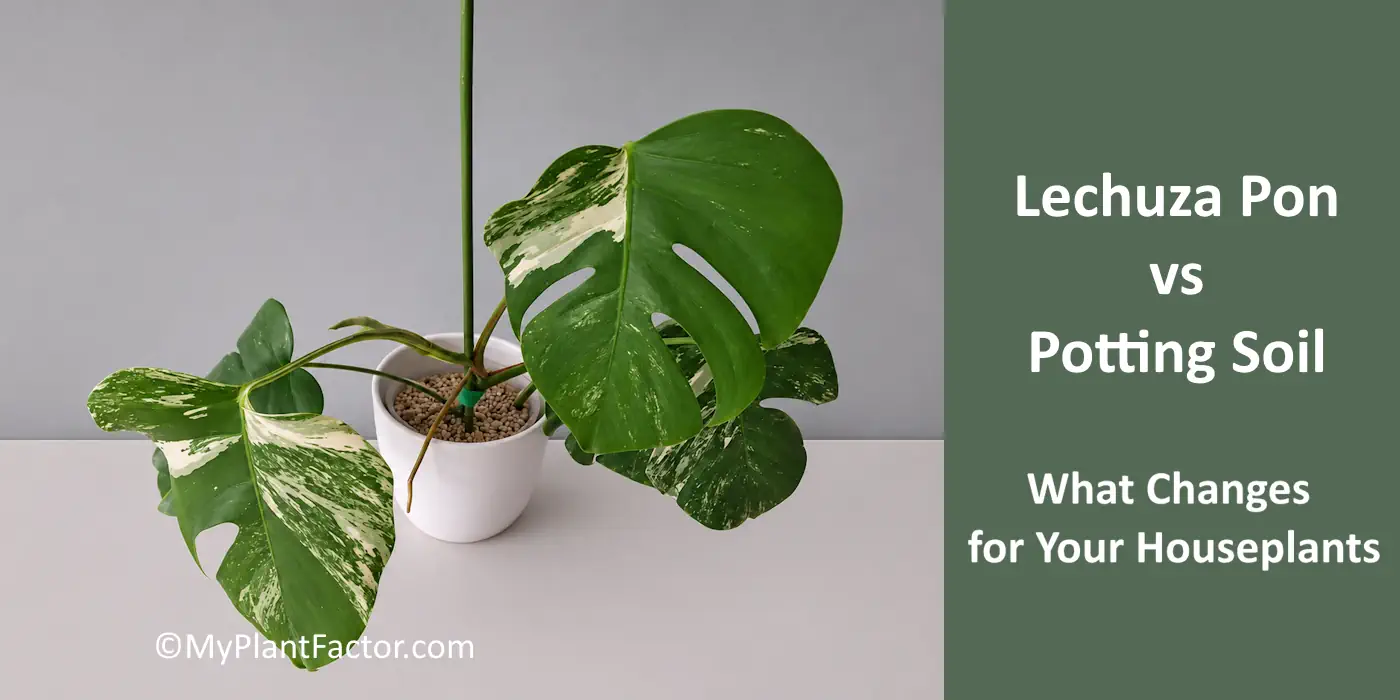

Weighing Lechuza Pon vs potting soil? Pon is a mineral substrate, not a soil. It drains faster, has no organic matter to feed the roots, and needs a different care routine.
The catch: pon sells itself as a fix for overwatering. For some plants it is. For others, it makes things worse. I keep about 30 plants in pon. The results split by plant type far more than by how careful I was. However, some plants don’t grow well, so my other 5–10 plants are in regular potting soil
This guide compares the two on water, nutrients, cost and risk. Then it sorts plants into winners and losers. A few popular claims about pon don’t hold up for every plant, and hoyas are the biggest surprise.
In this guide:
- Key takeaways
- Lechuza Pon vs potting soil at a glance
- What Lechuza Pon is made of
- How pon and potting soil handle water and air
- Which houseplants do better in pon
- Pon vs potting soil cost per liter
- Fertilizing in pon vs potting soil
- Where pon goes wrong
- Switching from potting soil to pon
- Alternatives to Lechuza Pon
- Which pon to buy
- Self-watering planters for pon
- Which should you use
- Frequently asked questions
As an Amazon Associate I earn from qualifying purchases at no extra cost to you.
Key Takeaways
Pon is a reusable mineral substrate, not a fix for every plant. It lowers overwatering risk and pest pressure, but it removes neither. You also manage the feeding yourself. It costs more than potting soil, and the payoff depends on the plant. Thick-rooted plants like aroids do best.
- Grew well: aroids, philodendrons, plain pothos, snake plants, cacti and succulents.
- Struggled: tradescantia, small-leaved hoyas and fancy pothos such as Cebu Blue.
- Biggest cause of losses: root rot.
- Easiest way in: root cuttings straight into pon.
Lechuza Pon vs Potting Soil at a Glance
Lechuza Pon is a mineral substrate of zeolite, pumice and lava rock with slow-release fertilizer added. Potting soil is an organic mix that holds water and feeds slowly as it breaks down. Pon drains faster, keeps more air around roots and lasts for years. Potting soil costs less and forgives more.
| Factor | Lechuza Pon | Potting soil |
|---|---|---|
| What it is | Zeolite, pumice and lava rock | Organic mix, often peat or coir based |
| Water | Drains fast, keeps air at the roots | Holds more water, compacts over time |
| Nutrients | Slow-release fertilizer, then you feed | Some nutrients from organic matter |
| Lifespan | Reusable for years | Breaks down, replaced at repotting |
| Weight | Heavy | Light |
| Pests | Fewer soil pests, not pest-proof | More prone to fungus gnats |
| Cost per liter | About $2.20 to $4.20 | About $0.50 to $1.50 |
| Learning curve | Steeper | Familiar |
What Lechuza Pon Is Made Of
Lechuza Pon is a peat-free mineral substrate made of zeolite, pumice and lava rock. One retailer lists its added slow-release fertilizer as 15-9-9+3 NPK at 3 grams per liter. The maker claims a 55% air to 45% water ratio. It has no organic matter, so it does not break down like soil.
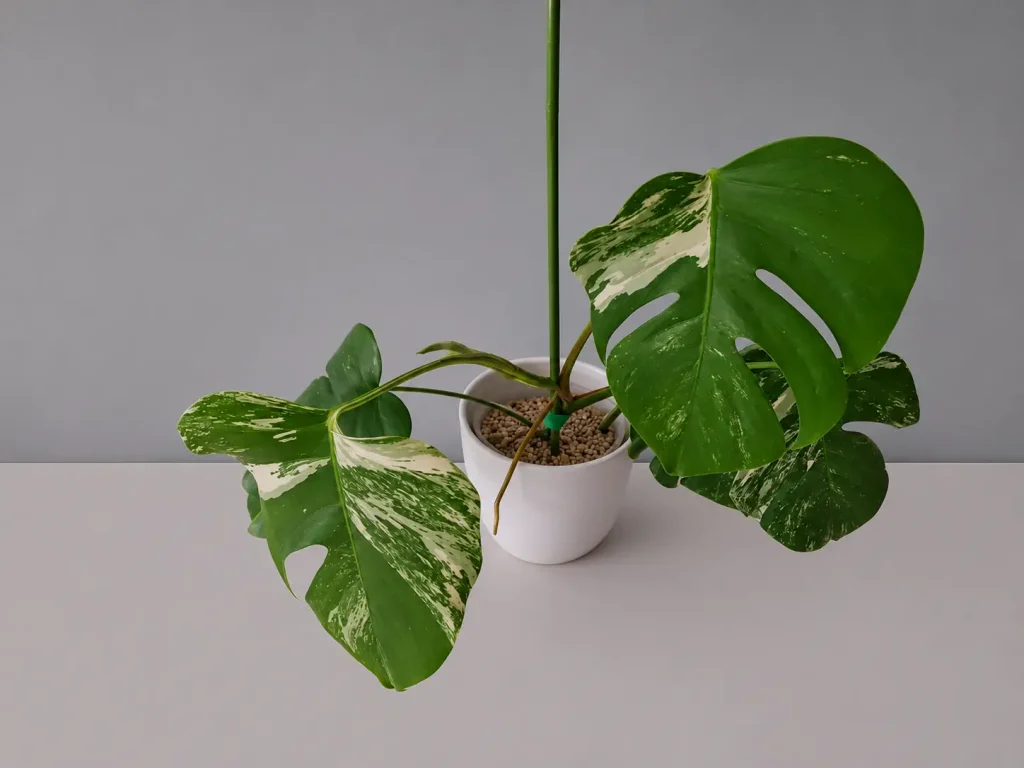
Pon is a category, and Lechuza is a brand. Lechuza dominates so completely that many growers use the two words interchangeably. Other brands exist, and some skip the fertilizer entirely. Lechuza’s own BasicPon is fertilizer-free, and its CactusPon is sold for cacti and succulents.
How Pon and Potting Soil Handle Water and Air
Potting soil holds water in organic fibers. That suits plants that like steady moisture, but the bottom of the pot can stay wet. Pon holds water in porous stone, so it drains faster and keeps more air around the roots. The 55% air figure is the manufacturer’s claim, not an independent test.
Soil breaks down over time. Broken-down soil compacts. Compacted soil holds water and blocks oxygen. Roots without oxygen rot. That chain is the real reason people switch to pon.
Pon doesn’t compact or clump, so its structure holds for years. Drainage isn’t the whole story, though. Pon can hold moisture longer than it looks. Wait until it’s fully dry before watering. In a clear pot, condensation on the inside means the stone is still wet.
Rutgers Cooperative Extension sets a useful baseline. Its container media fact sheet says a good medium should drain rapidly after watering. It should also keep at least 10% air space by volume once drained. Fresh peat-perlite mixes can clear that bar. The trouble starts when soil compacts and the air space shrinks.
The same sheet explains why. Roots in saturated medium get no air until the plant uses enough water to open air spaces. That oxygen gap is how root rot starts, in soil or in pon.
Which Houseplants Do Better in Pon
Aroids, plain pothos, philodendrons, snake plants, cacti and succulents grew best in my pon. Large-leaved hoyas do well when watered from the top. Small-leaved hoyas, tradescantia and fancy pothos types struggle. Some hoyas simply stall in pon and thrive after a move back to soil, so trial one plant first.
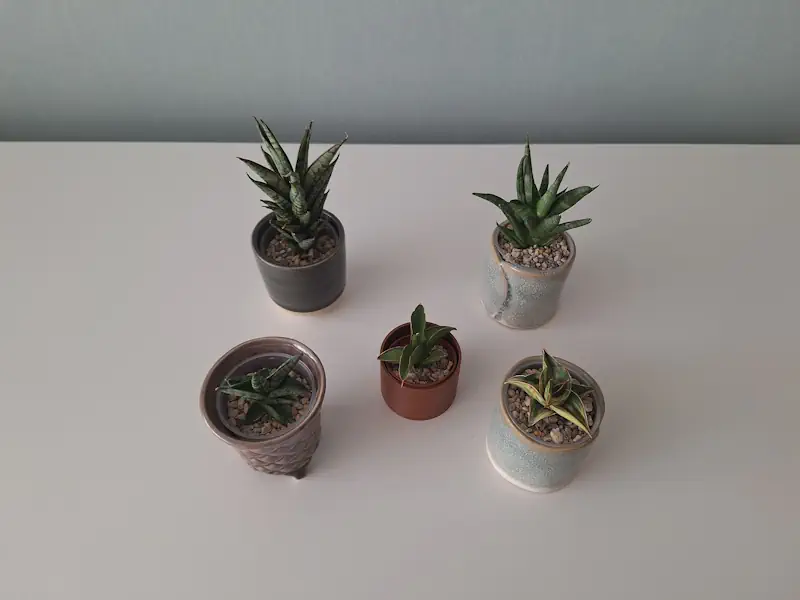
The pattern in my collection is root thickness. Thick-rooted plants like aroids do best, and my monsteras sit in big pots of 100% pon. Cacti and succulents were the easiest of all. Tradescantia was the clear loser.
| Plant | Result in pon | Notes |
|---|---|---|
| Monstera and other aroids | Grew well | Big pots, 100% pon |
| Philodendrons | Grew well | Thick-rooted, like other aroids |
| Plain green pothos | Grew well | Easy to start from cuttings |
| Cebu Blue and albo variegata pothos | Stalled | The fancy types did not take to pon |
| Snake plants | Grew well | See the snake plant soil guide for the soil option |
| Alocasia | Grew well | Aroid, same group as monstera |
| Cacti and succulents | Grew very well | The easiest group |
| Hoyas with large leaves | Grew well | Water from the top |
| Hoyas with small leaves | Mixed | Struggled in regular pots, some stalled |
| Tradescantia | Worst result | Keep it in soil |
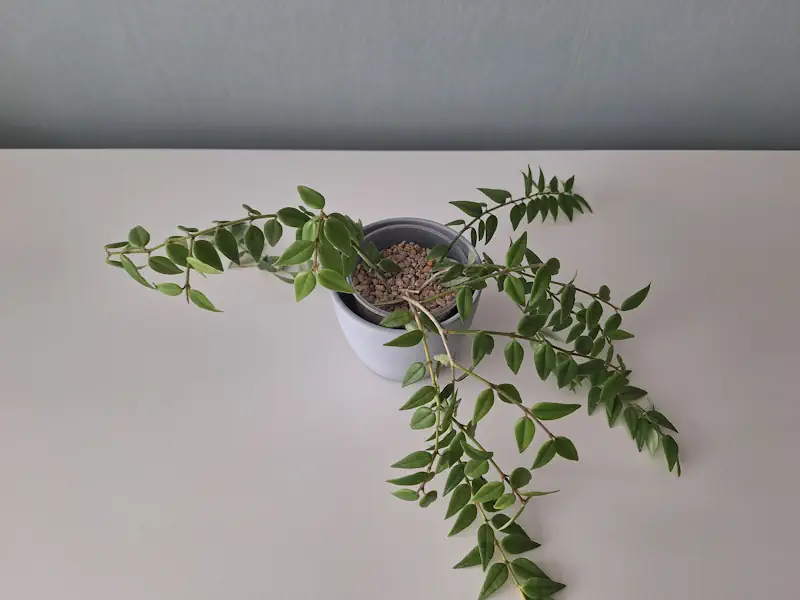
Hoyas are the odd one. Many grow well, but leaf size decides it. Large-leaved types do best with top watering. Small-leaved types struggled in my regular pots, and a few never grew at all. I haven’t tried them in self-watering pots. For the soil route, see best soil for hoyas.
The one exception to 100% pon in my collection is bonsai. Those get a mix of pon, cactus soil and bark. General guidance also says to blend pon into potting mix for moisture lovers such as peace lilies.
Pon vs Potting Soil Cost per Liter
One US semi-hydro retailer prices Lechuza Pon at about $2.22 to $2.30 per liter in an 18-liter bag. A 6-liter bag runs about $4.20 per liter. Mixing your own costs around $3 per liter in bulk. Potting soil costs less per liter, around $0.50 to $1.50.
The guide to the best soil for indoor plants gives the best options if you want to grow houseplants in a regular potting mix
The bag price isn’t the real cost. Pon lasts, and potting soil doesn’t. One 12-liter bag lasts me two to three years across about 30 plants. I reuse the pon unless a plant had pests. The price figures are one retailer’s, so check live prices before buying.
DIY only saves money if you can buy rock locally. Shipping heavy stone erases the saving. The 12-liter bag is the size I buy.
As an Amazon Associate, MyPlantFactor earns from qualifying purchases.
Fertilizing in Pon vs Potting Soil
Lechuza Pon ships with fertilizer that lasts about six months. Most pon guides advise skipping feeding for roughly three months after repotting, then feeding little and often. Pon has no organic matter to feed the roots. Potting soil supplies some nutrients as organic matter breaks down, so normal houseplant feeding works.
My routine is simpler than most guides suggest. Osmocote granules go in every pot, and I add a bit more than the pon already contains. Hoyas also get a liquid worm-casting feed in summer.
Most guides recommend a hydroponic or semi-hydro fertilizer with all the essential minerals instead. Use one if you prefer liquid feeding. Either way, check the label and start weak.
Where Pon Goes Wrong: Root Rot, Weight and Pests
Pon is not rot-proof or pest-proof. Most of the plants I’ve lost in pon died of root rot. Fungus gnats and thrips still turn up now and then, though less often than in soil. A full bag is also heavy, which matters for large pots and hanging planters.
- Root rot: roots need oxygen, and stone that stays wet blocks it. Let the pon dry fully between waterings.
- Pests: gnat larvae need organic material, so numbers drop in pon. Thrips and spider mites are largely unaffected. See why fungus gnats keep coming back and thrips on plants.
- Transition losses: soil-grown plants can struggle in pon, and a few never adjust.
- Weight: a big plant needs a lot of stone. Lift the bag before you buy it.
Switching From Potting Soil to Pon
Growers use three methods. The first is a pon drainage layer in the bottom quarter of the pot. The second is pon at the bottom and top, with soil between. The third is a full repot into 100% pon. Converting a grown plant is slow, and some refuse. Rooting cuttings in pon is easier.
For a full switch, follow these steps:
- Rinse every trace of soil off the roots. This takes longer than you expect.
- Pot the plant in clean pon.
- Hold off watering for about two weeks.
- Water from the top for the first few weeks instead of filling a reservoir.
- Start feeding after the built-in fertilizer has had its first few months.
Transferring from soil was the slowest part of my whole pon setup. A few plants did badly and went back into soil. The easiest route was rooting cuttings and planting them directly in pon.
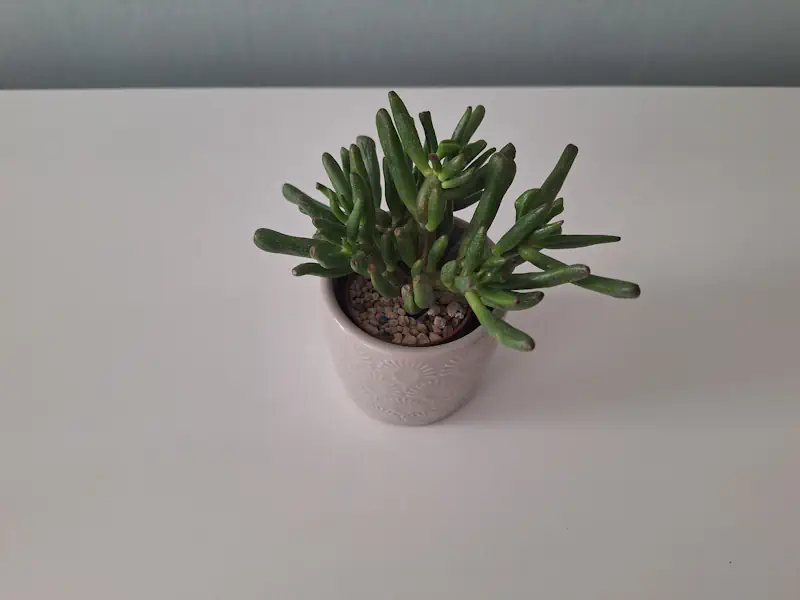
I only use regular pots. If you use a self-watering pot, keep pouring water onto the pon from above too. Lechuza advises doing so every second watering. See self-watering pots for pot picks.
Alternatives to Lechuza Pon: DIY Mixes, Other Brands and LECA
Plain pumice is the most common budget swap. Some growers add lava rock and zeolite. One widely quoted DIY mix is 4 parts pumice, 2 lava rock and 1 zeolite. LECA is the other alternative and is often cheaper per liter, but it holds no fertilizer. DIY only saves money with local sourcing.
Growers disagree on whether zeolite adds anything beyond pumice. Treat the recipe as a starting point, not a tested formula.
Ready-made pumice, lava rock and zeolite mixes also exist if you’d rather not source rock yourself. This 4.5-liter mix includes optional Osmocote. Compare the per-liter price against the 12-liter Lechuza bag before buying.
Which Pon to Buy: Lechuza Pon, CactusPon or a Ready-Made Mix
Buy standard Lechuza Pon for aroids, hoyas and most houseplants, because it comes pre-fertilized for about six months. Choose CactusPon for cacti and succulents if you prefer to control feeding yourself. Consider a ready-made pumice, lava rock and zeolite mix if you want a smaller bag to test with.
Lechuza PON, 12 Liter Bag: Best All-Round Pon
The standard Lechuza mix of zeolite, pumice and lava rock, with fertilizer coated in for about six months. This is the size I buy. One bag lasts me two to three years across about 30 plants.
- Best for: aroids, philodendrons, plain pothos, large-leaved hoyas and cuttings.
- Watch for: the bag weighs about 10 kg, so check you can lift it.
Lechuza CactusPon: Best for Cacti and Succulents You Feed Yourself
A finer-grained mineral mix sold for cacti and succulents. Lechuza lists it as not pre-fertilized, so feeding is up to you. My cacti and succulents did very well in standard pon, so this one is optional.
- Best for: cacti and succulents you want to feed on your own schedule.
- Watch for: nothing is pre-added, so start feeding sooner than you would with standard Pon.
The Pon Shop Original Mix, 4.5 Liters: Best for a Trial Run
A ready-made blend of pumice, lava rock and zeolite, with optional Osmocote included. At 4.5 liters, it suits a trial run on a few plants. Try it before you commit to a 12-liter bag.
- Best for: testing pon on a few plants before converting more.
- Watch for: the listing gives few details, and small bags often cost more per liter, so compare before buying.
Self-Watering Planters Designed for Lechuza Pon
Pon is the substrate at the heart of Lechuza’s self-watering planters, which use a reservoir and a water-level indicator. I use regular pots, so these picks come from the listings, not my own testing. Water from above for the first few weeks, as Lechuza’s instructions advise, until roots reach the reservoir.
Lechuza Cube Color 14: Best Small Planter for Cuttings
A compact self-watering cube with a reservoir and a water-level indicator, made of plastic for indoor use. It measures 6 by 6 by 5 inches and lists a 0.4-liter capacity.
- Best for: small plants and rooted cuttings on a desk or shelf.
- Watch for: it won’t take a mature aroid, so size up for anything with a big root ball.
Lechuza Classico LS 21: Best Mid-Size Planter for One Houseplant
A round self-watering planter with a removable liner and a water-level indicator. It’s about 8.3 inches across and 7.9 inches tall, with a listed 3-liter capacity, in white high gloss.
- Best for: one medium houseplant, such as a young monstera or a pothos.
- Watch for: Lechuza sells this style in larger sizes, so check the size in the listing before you order.
Lechuza Bola Color 23: Best Self-Watering Planter to Hang
A round self-watering planter with a water-level indicator, listed with substrate included. It measures about 9 by 9 by 7 inches, with a listed 1.2-liter capacity, in sand brown.
- Best for: a trailing pothos or philodendron in a bright window.
- Watch for: pon is heavy, so keep hanging plants small. The listed 1.2-liter capacity helps.
For more options, see the guide to self-watering pots you can buy online.
Which Should You Use: Pon, Potting Soil or a Blend?
Use potting soil if you’re new to houseplants or grow plants that like steady moisture. Use pon for aroids, pothos, cacti, succulents and cuttings. Treat small-leaved hoyas and tradescantia as trials, not safe bets. Use a blend for moisture lovers such as peace lilies.
Pon rewards careful watering and punishes guesswork. It also costs more, so match it to plants that will use it.
Start with one cutting or one aroid before converting a collection. If it holds up for a few months, move the next plant. For the soil side of the decision, read best soil for houseplants.
Frequently Asked Questions
Pon beats potting soil for aroids, pothos, cacti and succulents if you water carefully. It loses for plants that need steady moisture. Mix the two for in-between plants. It needs feeding, lasts for years and costs more upfront. The answers below cover the questions readers ask most.
Is Lechuza Pon better than potting soil?
It depends on the plant. Pon suits aroids, pothos, cacti and succulents, and it lowers overwatering risk. Potting soil suits plants that like steady moisture and costs less. In my collection, tradescantia did worst in pon, while some hoyas stalled and recovered in soil.
Can you mix pon with potting soil?
Yes. Growers use a bottom drainage layer, a layer at the bottom and top, or an even mix throughout. Blending suits moisture-loving plants like peace lilies. My bonsai grow in a mix of pon, cactus soil and bark.
Does pon need fertilizer?
Eventually, yes. Lechuza Pon includes fertilizer that lasts about six months. After that, feed it yourself, because pon has no organic matter to supply nutrients. I add extra Osmocote granules to every pot, plus a liquid worm-casting feed for hoyas in summer.
How long does pon last?
Pon doesn’t break down like soil, so it can be reused for years. One 12-liter bag lasts me two to three years across about 30 plants, as I reuse it unless a plant had pests in it. Replace it after a pest problem rather than risk spreading it.
Does pon stop fungus gnats?
It reduces them but doesn’t stop them. Gnat larvae need organic material, which pon lacks. I still see fungus gnats and thrips in my pon now and then, just less often than I did in soil.
Is pon the same as LECA?
No. LECA is baked clay balls. Pon is a mix of mineral stones, usually zeolite, pumice and lava rock. Pon is heavier, and Lechuza’s version comes with fertilizer. Both are used for semi-hydro growing.
