

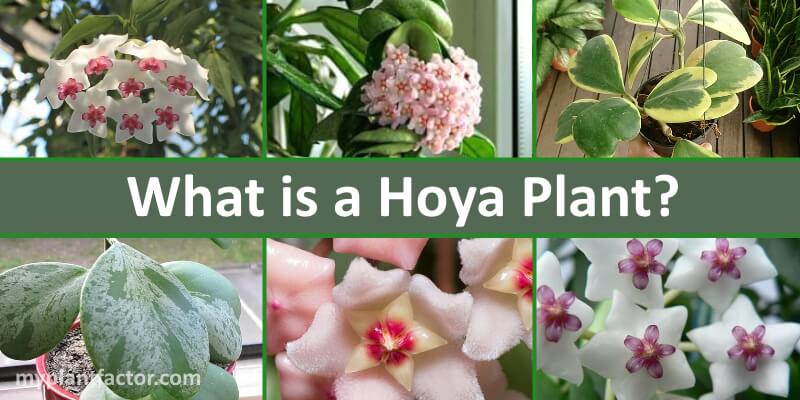
What is a Hoya Plant?

what is a hoya plant

Hoya plants — some of the best indoor plants for beginners. But did you ever fall for a plant you didn’t mean to love? That’s what happened with my first hoya. I bought it on a whim—a small, waxy-leafed thing in a nursery corner—and now I have six. No, wait… seven.

Hoyas aren’t just “pretty vines.” They’re fragrant, sculptural, often dramatic little weirdos that reward you in ways no pothos ever could. Some bloom with porcelain-pink clusters that smell like vanilla cupcakes. Others? They grow heart-shaped leaves that steal the show on Valentine’s Day.

Reddit plant parents call them “the gateway drug” to rare houseplant collecting. One even wrote, “Hoyas are the kind of plant that turn you into *that* person—googling humidity trays at 2AM.” I felt that. Deeply.

If you’ve ever wondered why hoyas are all over your feed—or you’ve got one sitting on your shelf refusing to bloom—this guide is your new best friend. We’ll walk through what makes hoyas so addicting, how to care for them without losing your mind, and which varieties won’t ghost you after a week.

Let’s find your perfect hoya (before they all sell out again).

Fast Facts: Why Hoyas Deserve a Spot in Your Indoor Jungle

  • They’re sculptural: Hoyas grow in wild curls, trailing vines, or even heart-shaped leaves—like nature’s own origami. No two look the same.
  • They bloom like no one’s watching: When they finally decide to flower, they unleash clusters of glossy, star-shaped blooms that look unreal—like sugared porcelain dipped in honey.
  • They don’t need babysitting: These are drought-tolerant, rootbound-loving rebels. Forget to water? They won’t sulk. Overlove them? Okay, maybe just a little drama.
  • They clean your air: According to a study by the American Society for Horticultural Science, Hoya carnosa can help remove harmful indoor pollutants like benzene and toluene. Scientists said, “Hoya carnosa had the highest removal rates for all of the VOCs introduced.” Pretty and practical.
  • They spark obsession: “It started with one,” a Redditor said. “Now I have a wishlist longer than my rent bill.” Hoyas aren’t just plants—they’re a vibe.
  • They love to hang: Literally. Most hoyas thrive in hanging baskets or on trellises, showing off those glossy leaves and wild vines. Great for small spaces with big plant dreams.
  • They’re built for beginners: Not all rare plants are divas. Hoyas are forgiving—especially carnosa, bella, and publicalyx. Even if your track record’s… rocky. 

Check out my ultilmate gide to 37 different types of hoyas, including the easiest ones to care for. 

What Makes a Hoya Plant a Hoya?

Think of hoyas as the overachievers of the houseplant world. They’re technically tropical evergreen vines, part of the *Apocynaceae* family, but most people just call them wax plants—for good reason. Their thick, shiny leaves look like they’ve been polished. And their flowers? Glossy, five-pointed stars that almost don’t seem real.

what is a hoya plant

Hoyas grow in opposite leaf pairs on long, flexible stems that trail or climb. Some leaves are skinny like green beans (*shepherdii*), others look like hearts (*kerrii*), and some are marbled or speckled like a painted canvas (*carnosa ‘Tricolor’*). It’s like each variety has its own personality.

They hail from Southeast Asia, Australia, and India—and get this: the name “hoya” comes from Thomas Hoy, an 18th-century English gardener. (Talk about leaving a legacy.)

One Reddit grower said it best: “Hoyas feel like plants that are secretly made out of candy and wax, but somehow… alive.” Honestly, that checks out.

So if you’re looking for something a little sculptural, a little strange, and very addictive—yep, you’re thinking hoya.

Fun Fact: With over 500 species, hoyas have a rich and diverse history in the world of horticulture.

Key Characteristics of Hoya Varieties

The Leaves That Made Me Look Twice

Let’s be honest—most people fall for hoyas *because* of the leaves. Not the flowers. Not the air-purifying perks. The leaves.

what is a hoya plant leaves

They come twisted like ribbons, glossy like hard candy, shaped like string beans or literal hearts. Some are fuzzy. Others shimmer with silver flecks like they’ve been dusted in moonlight. You think you’ve seen every type of foliage—then a hoya rolls in and rewrites the rules.

Here are a few that made me pause mid-scroll:

  • Hoya kerrii – Thick, succulent hearts. Sold solo in tiny pots on Valentine’s Day. “It’s a leaf, not a plant,” one Redditor warned—but I bought it anyway. No regrets.
  • Hoya carnosa ‘Compacta’ – Twisted ropes of green. Like vines doing yoga.
  • Hoya pubicalyx – Lance-shaped leaves with silver flecks. Some flush purple in bright light.
  • Hoya australis – Smooth, round leaves that glow like jade. Fast-growing and friendly.
  • Hoya macrophylla – Giant veined leaves that feel like soft leather. Variegated edges that look hand-painted.
  • Hoya retusa – Sparse, thin, grass-like leaves. The oddball of the bunch—but full of charm.
  • Hoya obovata – Wide, speckled leaves like flattened marbles. Easygoing and oddly satisfying.

One plant parent wrote: “My obovata’s new leaf came in the size of a coaster. I gasped. I don’t even care if it blooms now.” Same. Some leaves are worth the obsession all on their own.

What Do Hoya Plant Flowers Look (and Smell) Like?

They’re called wax plants for a reason—hoya blooms look like they were hand-piped out of fondant and glazed with sugar. Seriously. Some people don’t even believe they’re real until they touch them.

what are hoya plant flowers

The flowers grow in tight, geometric clusters called umbels. Each tiny bloom has five glossy petals, often with a starry crown in the middle. Colors range from blush pink and milky white to deep burgundy, coral, yellow, and even near-black.

But the real drama? The scent. Oh, the scent.

“Mine smelled like a cinnamon donut,” one Reddit grower shared. Another replied, “Lucky. Mine smelled like sweaty socks—but I still loved it.”

Different hoya varieties have wildly different fragrances. Some are sweet and syrupy (*Hoya carnosa* smells like vanilla at night), while others lean citrusy, spicy, or oddly cheesy. Many get stronger in the evening, like they’re saving their perfume for after dark.

Some blooms last a few days. Others hang around for weeks. But here’s the trick: don’t cut off the little nubs (called peduncles) after flowering. That’s where new blooms come back—like magic on repeat.

Trust me, the first time your hoya blooms? You’ll feel like you cracked a code.

Here are some examples of hoya houseplants with stunning blooms:

  • Hoya retusa: Blooms with single flowers.
  • Hoya imperialis Lindl: This houseplant has individual flowers over 3″ (75 mm) in diameter.
  • Hoya coriacea Blume: This hoya plant cultivar has up to 70 tiny flowers in an inflorescence.
  • Hoya pauciflora Wight: It has a single flower 1.5″ (40 mm) in diameter.
  • Hoya mindorensis Schltr: One of the few true red hoya varieties.

Is a Hoya Plant Toxic?

Nope—**hoyas are not toxic to pets or humans**. According to the ASPCA, hoya plants are considered non-toxic to cats and dogs. That means if your curious tabby nibbles a leaf (they always do), it’s unlikely to cause serious harm.

But—here’s the nuance: hoyas do produce a sticky sap when cut. It’s not poisonous, but it can be mildly irritating to sensitive skin or tummies. A Reddit user wrote, “My dog chewed a hoya stem and drooled a bit, but she was fine. Vet said just watch for GI upset.”

Bottom line? Hoyas are a great pick for pet-friendly homes—but maybe still keep them out of paw’s reach, just to be safe.

Hoya Plants — Why They Are Perfect Houseplants

Hoya plants are ideal for growing indoors due to their low-maintenance nature, resilience, and unique, waxy foliage. The tropical houseplants thrive in bright, indirect light, require infrequent watering, and adapt to various conditions. Their charming vines and occasional fragrant blooms add aesthetic appeal, making them an ideal, delightful addition to any indoor space.

Hoya plants care for indoor environments by removing pollution. Studies by the University of Georgia found that hoyas act as natural air purifiers. The waxy foliage of variegated wax plants (H. carnosa) helped remove volatile organic compounds (VOCs) from the air. These include indoor pollutants like benzene, octane, and toluene.

Hoyas have diverse leaf sizes, textures, colors, and venation. These range from small and round to large, linear, and heart-shaped leaves. Hoya flowers are star-shaped and typically grow in groups or alone. Many types have fragrant scents like vanilla, citrus, chocolate, or cinnamon. The scent’s intensity may vary during the day.

THe Top 6 Hoya Plants for Beginners

Hoya plants are some of the most popular and sought-after tropical indoor plants. Houseplant enthusiasts love hoyas for their waxy foliage and clusters of small, star-shaped flowers. Also, they thrive in typical indoor conditions—moderate light, occasional watering, and average household humidity. 

Here are descriptions and pictures of six of the most popular hoya plant types:

Hoya carnosa ‘Compacta’

The Hoya carnosa ‘Compacta’—also called Hindu rope plant—is a popular Hoya carnosa cultivar. It is characterized by its unique crinkled and curled leaves growing like a thick, rope-like vine. This slow-growing hoya is an easy-care, resilient type of houseplant. 

hoya plant vine flowers leaves

Hoya carnosa ‘Compacta’

    • Leaf characteristics: Bright green twisted rope-like leaves
    • Flower feature: Small, star-shaped flowers in umbels, like the classic Hoya carnosa
    • Light requirements: Place in bright, indirect light but the plant can tolerate lower light conditions
    • Growth habits: Compact, trailing growth habit, making it well-suited for hanging baskets or as a cascading houseplant

Beginner’s comment: 🗨️ My compacta took forever to bloom, but when it did—whoa. Pink, waxy stars that smelled like butterscotch.” —Reddit

Hoya carnosa ‘Krimson Queen’

The Hoya carnosa ‘Krimson Queen’—also known as the variegated wax plant—is a stunning cultivar of the Hoya carnosa species. It is known for its beautiful green, pink, and cream variegated leaves. This hoya can be more demanding than other cultivars. Despite its specific needs, the Hoya Krimson Queen is a rewarding plant to care for due to its unique and eye-catching foliage.

    • Leaf characteristics: Variegated leaves with shades of green, pink, and cream
    • Flower feature: Clusters of small, star-shaped pink flowers
    • Light requirements: Bright, indirect light is essential for maintaining the vibrant leaf variegation
    • Growth habits: Vining growth habit, and is easy to train to climb a trellis or grow in a hanging basket for a cascading effect

Beginner’s comment: 🗨️ “It’s a little thirstier than my other hoyas, but the color payoff? Totally worth it.” —Commenter on a hoya care thread

Hoya bella

Hoya bella—the miniature wax plant—is a popular species of Hoya known for its small, round leaves creating a bushy appearance. It has small clusters of delicate white flowers. It’s an award-winning hoya plant popular with indoor gardeners for its easy care and charming appearance.

what is hoya plant bella

Hoya Bella

    • Leaf characteristics: Small, round leaves with smooth edges and a glossy, waxy texture.
    • Flower feature: Clusters of petite, star-shaped white flowers with a sweet, honey-like fragrance.
    • Light requirements: Performs best in bright, filtered light but can tolerate lower light conditions.
    • Growth habits: Hoya Bella has a trailing growth habit and is well-suited for hanging baskets or trailing over shelves or trellises. It can also be grown as a compact tabletop plant.

Hoya publicalyx 

A popular houseplant is the Hoya publicalyx. This hoya variety is known for its thick, waxy leaves growing in a vining habit. The leaves are typically dark green, lanceolate-shaped, and taper to a point. It sometimes has silvery speckles and, depending on the light can turn purple, giving the plant a unique appearance.

hoya plant publicalyx

Hoya publicalyx

This hoya is a low-maintenance houseplant that is easy to care for.

    • Leaf characteristics: Thick, waxy leaves with a dark green color and silver flecks
    • Flower feature: Umbrella-like clusters of star-shaped flowers, typically pink or white in color
    • Light requirements: Bright, indirect light is ideal but can tolerate lower light conditions
    • Growth habits: Vining growth habit, making it suitable for hanging baskets or training on a trellis.

Beginner’s comment: 🗨️ “My first hoya. Grew like a weed and bloomed in six months. I was hooked.” —Forum user

Hoya fitchii

Hoya fitchii is a rare and highly sought-after Hoya type known for its large, waxy leaves with pronounced veins. The plant blooms with salmon-pink or coral-pink flower clusters on long stems. Native to the Philippines, this Hoya plant is prized for its stunning foliage and delicate flowers.

    • Leaf characteristics: Thick, glossy leaves in a lanceolate shape with prominent veins
    • Flower feature: Clusters of star-shaped flowers in shades of pink and emitting a strong fragrance
    • Light requirements: Indirect light and shade from direct sunlight. It can tolerate lower light conditions but becomes leggy
    • Growth habits: This hoya plant has a vining growth habit and can be trained on a trellis or grown in a hanging basket

Why not check out my Ultimate Guide to Hoya Fitchii Care and Propagation?

Hoya kerrii

Also called the sweetheart plant or Valentine hoya, the hoya kerrii is a popular houseplant known for its unique obcordate (heart-shaped) leaves. This hoya plant is often given as a gift to symbolize love and affection. It’s usually sold as a single leaf cutting in a small pot. 

variegated hoya plant

      • Leaf characteristics: Heart-shaped leaves that are thick and fleshy, typically dark green in color
      • Flower feature: Rarely blooms when grown as a houseplant
      • Light requirements: Bright, indirect light
      • Growth habits: This hoya has a trailing growth habit and is often grown in hanging baskets or trained on a trellis. It can also be grown as a compact tabletop plant

    Beginner’s comment: 🗨️  The single-leaf heart plant will grow for a long time, just don’t expect it to turn into a full-grown vining hoya plant.” — Reddit forum

    How to Get Hoyas to Bloom

    Getting your Hoya plant to bloom can be a tricky process. While these plants are generally low-maintenance, their tropical nature means they require specific requirements. Typically, hoyas need plenty of light, good humidity levels, and a well-draining soil mix. 

    hoya plant care guide

    Here are seven steps to encourage your hoya plants to bloom:

      1. The right potting soil type: Pot your hoya plant in well-draining soil with good aeration. An ideal potting mix should have soil amendments like compost, biochar, and orchid bark. If the soil’s too soggy, hoyas can develop root rot.
      2. Root bound: Encouraging blooms in hoya indoor plants is easy by keeping them root-bound. You only need to repot hoyas when the plant roots outgrow the container.
      3. Optimal light exposure: Place the hoya plant in a location with bright light, ideally near a bright window. The ideal place is an east or north-facing window. You will need to give it protection from the sun if it is at a south or west-facing window.
      4. Intermittent deep watering: Water the plant deeply, allowing the potting soil to dry out before you water it next. This watering schedule prevents overwatering. Only provide water when the top 1″ to 2″ (25 to 50 mm) of soil is dry.
      5. Level of humidity: Most hoyas need reasonable humid conditions to thrive indoors. Some of the more exotic hoya varieties require 60-80% humidity. Misting the leaves can encourage healthy growth.
      6. Organic fertilizer: Feed the Hoya with a general-purpose liquid houseplant fertilizer with high phosphorus to promote blooming.
      7. Prune in spring and summer: Pinch back dead or brown stems in late winter to encourage new growth. Pruning also helps control its size if plants have vigorous vining stems. 

    What Do Hoyas Do for Your Home? (Besides Look Gorgeous)

    Yes, hoyas are eye candy. But these waxy little wonders actually *do* things. Like clean your air. Calm your brain. And make your space feel less like a box and more like a little jungle sanctuary.

    🌬️ They purify your air (quietly)

    Remember that NASA clean air study everyone talks about? Turns out *Hoya carnosa* made the shortlist in later research from the University of Georgia. Its thick, waxy leaves help remove VOCs like benzene and toluene—chemicals that come from furniture, cleaners, and paints.

    “I keep a Krimson Princess near my desk. Feels like it’s quietly guarding my lungs while I work.” —Comment on r/houseplants

    🧘 They help reduce stress

    Watching new growth unfurl or a peduncle re-bloom after months? Therapeutic. Studies show that being around plants can reduce cortisol, boost focus, and improve mood. Hoyas, with their sculptural shapes and slow but steady growth, are especially grounding.

    🛏️ They’re safe for small spaces

    Hoyas don’t need giant pots or floor space. They trail, climb, or hang in corners. Perfect for bedrooms, desks, or bathrooms with good light. And they won’t drop leaves every time you blink (looking at you, fiddle leaf fig).

    Plus, let’s be honest—every time someone walks in and says, “Wait, is that real?” you’ll smile. Hoyas make you feel like a plant wizard. And honestly? You kind of are.

    ❓ Hoya Houseplant FAQs

    🟩 How fast do hoyas grow?

    It depends on the variety. Fast growers like *Hoya australis* or *pubicalyx* can push out vines quickly, while compact types like *Hoya kerrii* or *compacta* are famously slow. Growth usually speeds up in spring and summer with bright light and steady watering.

    🟩 Why isn’t my hoya blooming?

    It might be too young, lacking light, or missing a peduncle. Most hoyas won’t bloom until they’re mature, rootbound, and in bright indirect light. Some take years. Don’t cut the spurs—blooms return to the same spot!

    🟩 Can hoyas live outside?

    If you’re in USDA Zones 10–12, sure. But for most people, hoyas are best kept as indoor plants or summered outside in bright shade. Just don’t let them freeze—these tropical vines hate the cold.

    🟩 What’s the best soil mix for hoyas?

    A chunky, well-draining mix. Think orchid bark, perlite, coco coir, and a bit of indoor potting soil. You want airy roots—not soggy ones. Some Reddit growers add worm castings or charcoal for extra airflow.

    🟩 Are hoyas good for low light?

    They’ll survive, but won’t thrive. You’ll get slower growth, no blooms, and leggier vines. Aim for bright, indirect light—like a sunny east window. For low-light spaces, try *Hoya bella* or *Hoya obovata*, but manage expectations.

    Hoya Plants — The Best Indoor Plant for Beginners

    If you’re already eyeing your second (or sixth) hoya, you’re not alone. These waxy weirdos have a way of sneaking into your heart—and your shelf space.

    Whether you’re craving curly leaves, rare variegation, or flowers that smell like dessert, there’s a hoya out there for you.

    myplantfactor heather

    About the Author

    Heather Rosenberg is a self-taught plant whisperer, accidental hoya hoarder, and the voice behind My Plant Factor. When she’s not misting her carnosa or talking to her kerrii (yes, really), she’s sharing down-to-earth care tips and connecting with fellow houseplant lovers across Reddit and IG. She believes every home deserves a little wild, waxy beauty—no green thumb required. More about Heather here.

    Author: Heather Rosenberg

    Heather Rosenberg is a self-taught plant expert and writer with over a decade of hands-on experience growing houseplants and tropical flowers. Her passion for nurturing green spaces started in a tiny apartment windowsill and has grown into a thriving collection of over 100 indoor plants. Through trial, error, and a deep love for learning, Heather shares practical plant care tips inspired by real-life experience—not textbooks. Her work draws from years of active participation in gardening forums like r/houseplants and GardenWeb, where she’s known for her down-to-earth advice. When she’s not writing, you’ll find her experimenting with propagation stations or chatting with fellow plant lovers online. Find out more about Heather.