


As an Amazon Associate I earn from qualifying purchases at no extra cost to you.
The purple heart plant (Tradescantia pallida) is an excellent addition to your indoor plant collection. The purple-leafed plant is a stunning and easy-to-care-for option. What are the plant’s characteristics that make it ideal for adding to your indoor garden? Please read on to find out.
The purple heart plant is a popular choice among houseplant enthusiasts. The tropical purple houseplant is identified by its vibrant purple foliage and low maintenance needs. With proper care, this plant can add a pop of purple color to your garden or indoor space. However, it can quickly become droopy and dull without the correct care.
In this comprehensive guide, I’ll provide all the information you need to identify and care for your purple heart plant. From tips on identifying the plant to advice on watering, lighting, and propagation, this guide will help keep your heart plant with purple leaves thriving.
Whether a beginner or an experienced plant expert, this guide is a must-read to add this unique plant to your collection.
What is the Purple Heart Plant?
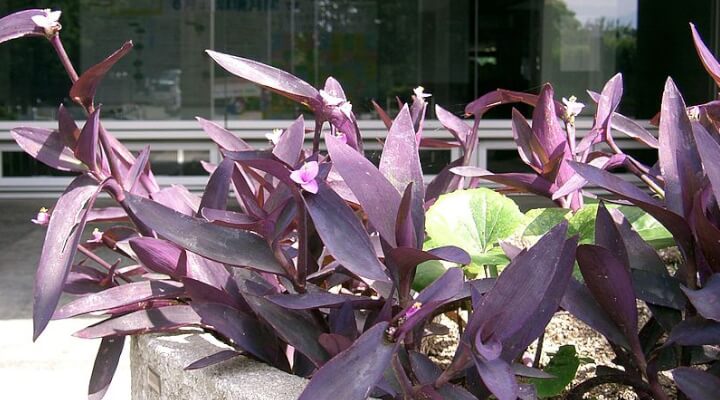
The purple heart plant (Tradescantia pallida) is an easy-care, purple-leafed plant ideal for growing indoors. It boasts striking purple foliage on succulent stems. Its lance-shaped purple leaves cascade gracefully, accentuated by small pink flowers in summer. Its long, rambling vines have a trailing growth habit.
Where to Plant Purple Heart Plants
The purple Tradescantia pallida species is an indoor container plant suitable for hanging baskets and small pots. You can grow the purple-leafed plant in bright, indirect light away from cold drafts or heating vents. Its long dangling stems, lance-shaped, fuzzy leaves, and rich shades of purple colors create an elegant touch in indoor spaces.
Furthermore, the plant’s aggressive root system and fast growth rate help it spread quickly. This feature makes it ideal for fast-spreading perennial ground cover in warm climates. It’s a fast-growing plant for hanging baskets or large containers in colder climates.
Introducing the Purple Heart Plant
The purple Tradescantia pallida is an ornamental plant in the genus Tradescantia. Also called the purple queen or purple secretia, the purple spiderwort plant is renowned for its vibrant purple foliage. In warm climates, the trailing perennial has ornamental appeal as beautiful groundcover. It’s a purple plant for hanging baskets or containers in colder climates.
Identifying Features of the Purple Heart Plant
The purple heart plant’s purple foliage, long stems, lanceolate, slightly pointed leaves, and pale pink flowers make it easy to identify. However, the purple indoor plant can be easily mistaken for the related inchplant or wandering jew.
Here are some key features to help you recognize this striking Tradescantia with violet-purple leaves.
Purple heart plant leaves
The most distinctive feature of the purple heart plant is its rich, sword-shaped purple and green foliage color. The leaves are elongated and pointed, with a velvety texture that adds to their allure. The dark purple leaves measure up to 7 inches (18 cm) long. The leaves easily break from the fragile stems.
Tradescantia pallida stems
The purple stems of the purple heart plant are succulent and fleshy. Depending on sunlight levels, they often appear purplish or reddish in color. The fleshy stems trail gracefully from the container or cascade over the edges of hanging baskets.
It’s good to note that the fleshy stems have a substance that can cause skin irritation.
Purple heart plant flowers
The purple heart plant’s flowers are small pink blooms that enhance the plant’s magenta foliage. The plant’s pink or purple flowers are identified by their three triangular petals, which form a star-like shape on flowering stems. Yellow stamens contrast with the pink colors, adding elegance to the overall appearance.

Its bloom time is summer, when it gets a few hours of direct sunlight daily. However, be careful that the intense light doesn’t scorch the violet-purple leaves.
Are you looking to add more purple plants to your indoor space? If co, why not check out our article on the beatuiful Purple Passion plant?
How to Care for the Purple Heart Plant
The purple heart plant is a low-maintenance indoor foliage plant. It’s easy to care for and an excellent choice for beginner and experienced plant parents. I’ve found that the key to keeping your purple foliage plant happy and healthy is to give it regular watering and put it in indirect sunlight.
How to water a purple heart plant
The purple heart plant needs enough water to ensure moist soil that doesn’t get too soggy. Water your plant when the top two inches of soil feels dry to the touch. To check for moisture, poke your finger 1 inch (2.5 cm) into the soil. If there is dampness, wait a few days before watering.
Be careful not to overwater tradescantia house plants, as they don’t need much water. Soggy soil can lead to root rot and kill your plant. In winter, infrequent watering is ideal as the plant’s growth goes dormant.
The purple heart plant is relatively drought tolerant. Therefore, it can survive with infrequent watering.
Light requirements
Purple heart plants thrive in bright, indirect light. The best location is near a sunny window where they enjoy several hours of sunlight daily. However, tradescantias can also tolerate partial shade, making them versatile options for various lighting conditions.
Temperature and humidity needs
Purple heart plants prefer warm temperatures of 60°F to 85°F (15°C – 29°C). The purple-leafed plants can tolerate colder temperatures briefly. However, exposure to frost can damage the foliage. Generally, a typical household temperature range is ideal for most tropical houseplants.
Maintain moderate humidity levels between 50 and 70 percent. This humidity range mimics the plant’s natural habitat, where it grows in subtropical conditions in dappled shade protected from intense direct sunlight.
Here are a few tips to increase humidity for your Tradescantia pallida:
- Use a humidity tray: Place a shallow tray filled with water and pebbles near your purple heart plant. As the water evaporates, humidity around the plant increases.
- Group plants together: Clustering your purple heart plant with other houseplants can create a microclimate with higher humidity levels.
- Mist regularly: Use a spray bottle to mist the leaves of your purple heart plant regularly, especially during winter when central heating dries household air.
- Use a humidifier: If you live in a particularly dry climate, consider using a humidifier to maintain optimal humidity levels for your Purple Heart plant.
The best soil for purple tradescantia plants
Purple heart plants thrive in rich, moist, well-draining soil. The best soil type is a potting mix formulated for succulent plants with excellent drainage. To create an adaptable soil mix, use a blend of peat moss, perlite, and coarse sand. This type of moist, well-drained soil works best for purple heart plants.

In addition to having moist, well-drained soil, ensure the container has sufficient drainage holes to escape excess moisture.
My top tip: A cactus soil mix works perfectly well for tranescantia plants.
Purple heart plant fertilization
Feed your purple plant with a balanced liquid fertilizer every four to six weeks in the growing season. Always dilute the fertilizer half strength to avoid burning the roots. Don’t apply fertilizer during the winter months when the plant is dormant.
Pruning a purple tradescantia pallida species
Pruning a purple tradescantia helps create bushy growth and remove brown leaves and dead foliage. Proper pruning promotes new growth, maintains the plant’s shape, and prevents it from becoming leggy or overgrown.
When it comes to pruning a purple heart plant, there are a few key steps to keep in mind.
- Use sterilized sharp scissors or pruning shears to make clean cuts and avoid damaging the plant.
- Trim back any leggy or overgrown stems to encourage bushier growth and maintain the plant’s shape.
- Remove any brown or yellow leaves to improve the plant’s overall appearance.
- Prune after the plant has finished flowering to encourage new blooms and prevent it from becoming too unruly.
- Use healthy cuttings for propagating new plants
How to propagate purple heart plants
Propagating the purple heart plant is relatively simple. The two methods to grow more tradescantia plants are to place stem cuttings in water or cuttings in a soil mix.

Purple heart plant propagation instructions:
- Select a healthy stem with several nodes and cut it just below a node using sterile pruning shears.
- Remove the leaves from the bottom half of the cutting to expose the nodes.
- Dip the cut end of the stem in a rooting hormone to encourage root development.
- Plant the cutting in a small jar of water in sunlight.
- Alternatively, fill a pot with a moist potting mix and place the cutting into a few inches of soil.
- Place the pot in a warm, brightly lit spot and keep the soil consistently moist until roots develop—usually within a few weeks.
- Once roots have formed, transplant the cutting into a larger container or the garden, if desired.
- Grow normally by putting the container in indirect sunlight or light shade and giving it regular watering throughout the growing season.
The principles for growing the purple heart plant are just the same as propagating the purple passion plant.
Purple Heart Plant: Overcoming Common Pests and Problems
While purple tradescantia plants are relatively resistant to pests and diseases, they may occasionally encounter some issues. Pests can affect purple foliage plants due to overwatering, other infected plants, or poor health. The most common cause of plant disease is rotting roots due to overwatering.
Here are a few common problems to watch out for:
- Spider Mites: These tiny pests can infest the foliage, causing yellowing, stippling, and webbing. Use insecticidal soap or neem oil to control spider mite infestations.
- Mealybugs: Mealybugs are another common pest that can feed on the sap of purple heart plants, causing stunted growth and leaf distortion. The white pests look like cotton wool stuck to leaves or stems. Remove mealybugs manually with a cotton swab dipped in rubbing alcohol, or use insecticidal soap.
- Fungus gnats: These pesky bugs thrive in moist soil and decaying plant matter. Although they don’t harm plant tissue, they can become a nuisance. To get rid of fungus gnats, only give the soil moderate watering when the top two inches of soil is dry.
- Root Rot: Overwatering can lead to root rot in Purple Heart plants, resulting in wilting, yellowing leaves, and eventual plant death. Ensure proper drainage and avoid letting the soil remain soggy for extended periods.
Putting a layer of gravel over the soil’s surface is an excellent idea to help prevent critters from laying eggs in the potting mix.
Other pests that can affect purple heart plants include scale insects, aphids, vine weevils, or tiny black plant pests like thrips.
Purple Heart gets confused with safe purple houseplants all the time, but it isn’t one of them. If you’re trying to keep the purple look without the stress, this guide to cat-safe purple plants covers safer alternatives that still give you bold color indoors.Purple Heart Plants: Easy to Grow and Pest-Free
In conclusion, the purple heart plant is a striking addition to indoor spaces. Putting the purple-leafed plant in a room adds vibrancy and helps improve air quality. The best part is that the plant is easy to care for and requires minimal attention—ideal for busy plant parents.
Whether trailing from a hanging basket or growing as decorative ground cover, the purple heart plant will surely delight and inspire with its undeniable charm and elegance.
