


As an Amazon Associate I earn from qualifying purchases at no extra cost to you.
Purple house plants evoke a sense of luxury, creativity, and tranquility in any space. Their rich hues and purple color make them standout statement pieces, perfect for adding depth and contrast to interiors. But a common misconception is that all purple plants need direct sunlight—many actually thrive in indirect light, partial shade, or shaded conditions.
Table of Contents
- Which Purple Plant Is Right for You?
- Why Do Plants Have Purple Leaves?
- Best Purple Leaf Indoor Plants for Low Light
- Purple Leaf Houseplants That Love Bright, Indirect Light
- House Plants With Purple and Green Leaves
- Pet-Safe Plants With Purple Leaves
- Trailing and Hanging Purple Houseplants
- Purple Flower House Plants for Small Apartments
- Fuzzy Houseplants With Purple Leaves
- Purple Foliage or Purple Flowers—Which Should You Choose?
- Purple Houseplants That Actually Bloom Indoors
- Propagation Tips for Your Favorite Purple Plants
- Purple Houseplants Care Tips for Beginners
- How to Care for Purple Houseplants
- What Goes Wrong With Purple Houseplants?
- Do Purple Houseplants Stay Purple Indoors?
- Purple Houseplants FAQs
The trouble is, not all purple houseplants are as easy to grow as they look.
Searches often lead to vague lists with little context. You get the name and a pretty photo, but no clue whether the plant prefers bright light or survives in shade, whether it’s safe around pets, or how to stop those purple leaves from fading to dull green. Without the proper guidance, even experienced plant lovers can end up with a withered, colorless disappointment.
This guide solves that. It’s a curated list of twenty-five or more stunning purple house plants that actually grow well indoors, plus the care tips you need to keep them thriving. Whether you’re short on light, time, or experience, you’ll find options that match your space and your style.
Let’s take a look at the best choices for bold, low-maintenance indoor color.
Which Purple Plant is Right for You?
Purple houseplants are not all the same. Some are better for low light, some are safer around pets, and some are grown mainly for dramatic leaves or easy blooms. The right choice depends on your light, your care style, and whether you want trailing foliage, bold color, or a compact plant for a small space.
- Best for Beginners: Purple Waffle Plant – Compact, forgiving, and thrives in low light.
- Most Dramatic Leaves: Persian Shield – Bold metallic purple with an iridescent sheen.
- Low Light Winner: Calathea Roseopicta – Subtle purple undersides that glow in shade.
- Top Trailing Pick: Wandering Jew – Fast-growing, easy to propagate, full of color.
- Pet-Safe Choice: Prayer Plant – Safe for pets, beautiful movement, and easy care.
- Blooms Indoors Too: African Violet – Fuzzy colored leaves, compact size, and consistent flowering.
Want even more options? Scroll down to explore purple houseplants by light needs, growth style, pet safety, and flowering potential.
Why Do Plants Have Purple Leaves?
So, the burning question: what’s all the purple color about when most plants have green leaves? Purple isn’t just pretty—it’s strategic.
Some plants grow purple leaves to help them deal with tricky light. The color comes from pigments called anthocyanins, which act like sunscreen or reflectors. This helps the plant handle low or patchy light, like what you’d find in a shady forest or a dim living room.
Certain dark purple plants also change color seasonally. For example, Persian Shield intensifies its metallic sheen in summer but may fade in winter. The balance between light, temperature, and nutrients directly affects the depth of purple shades.
Scientists say those purple undersides might even bounce light back into the leaf, giving the plant a second chance to use it. It’s nature’s way of being clever—and stylish at the same time.
🔍 Learn How to Identify Houseplant Pests Before They Spread
Best Purple Leaf Indoor Plants for Low Light
Dim light or no direct exposure to sunlight? No problem. These purple houseplants don’t just survive in dim corners—they thrive. Think hallway nooks, shaded bookshelves, bathroom counters, or that north-facing office window. I’ve grown these in the gloomiest spots, and they still bring bold color and serious charm.
Why not check out my article on the best purple plants to brighten your home if you want to learn how where to place these houseplants to enhance your home’s interior?
Purple Waffle Plant (Hemigraphis alternata / Strobilanthes alternata)
Short and sprawling, this low-growing houseplant packs a punch with its crinkled, purple undersides and textured leaves. The foliage looks metallic up close—gray-green on top, deep violet beneath. Perfect for desktops or shelf edges, it stays compact and adds a soft, velvety look to shaded corners.

A plant parent on Reddit shared, “I’ve had mine in a north-facing bathroom for over a year—barely any light, and it still thrives. Bonus: it feels like velvet.”
This purple waffle plant likes moist, well-draining soil and doesn’t tolerate dry air well. Keep humidity up and avoid placing it near heating vents. Mine’s parked under a grow light beside my snake plant—and it gets more compliments. Great for small spaces or terrariums with indirect light and above-average humidity.
Calatheas (Calathea): Plant With Purple Under Leaves
If you’re after drama, Calatheas purple plants deliver. These tropical houseplants are famous for their patterned green leaves with rich, deep purple undersides, like nature’s version of reversible fabric.

Each variety is a little different—some ripple, some blush pink, others stripe like candy canes—but they all bring unique foliage patterns and a bold, upright presence to any low-light nook.
Many Calathea lovers call them “the divas of the plant world”—but also say they’re worth it. One grower commented, “They’re moody, yes, but when they’re happy, they’re absolutely stunning.” Others love that they stay compact and light up shady corners without needing direct sun.
Calathea Varieties with Purple Undersides:
- Rose Painted Calathea – Light green leaves with dark green borders and deep purple backs
- Zebra Plant – Pale green striped leaves with a deep violet base tone
- White Star – Long, striped leaves with a white midrib and purple beneath
- Calathea Rosy – Rounded pink-and-purple foliage with dark purple margins
- Eternal Flame Plant – Wavy green foliage, purple backs, and bright orange flower spikes
Purple Heart (Tradescantia pallida)
This plant lives up to its name. It grows in long, trailing stems with narrow purple leaves that deepen in color with light exposure. The foliage has a slightly fleshy texture and a muted matte finish—less glossy than most trailing plants, but with a richer, more dramatic tone. In the right conditions, it even puts out small pinkish-purple flowers.
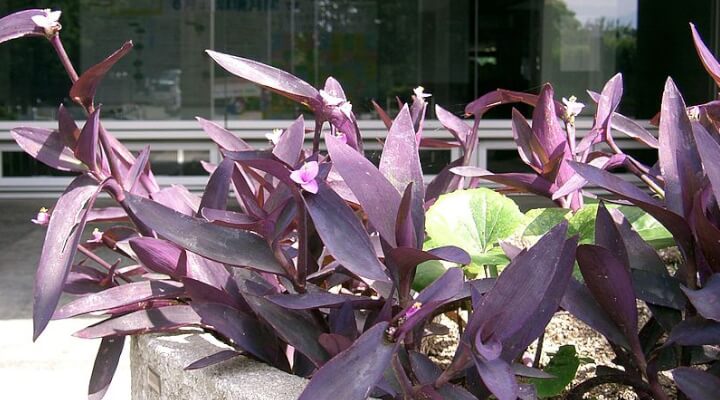
Many Purple Heart plant lovers say it’s one of the most forgiving plants they own. One Redditor shared, “It lived through a move, a broken pot, and total neglect—and came back bushier.”
It tolerates low light, but it gets more vibrant in bright, indirect sunlight. Let the top inch of soil dry before watering, and avoid soggy roots. I keep mine on a shaded shelf near a window, where it spills over the edge like a purple waterfall—no drama, no fuss.
Did you know that purple heart plants are poisonous to cats? If you have purple plants and cats at home, you may want to check out our article on How to Keep Cas Away From Toxic Plants
Related: A complete guide to identifying the Purple Heart Plant.
Purple Leaf Houseplants That Thrive in Bright, Indirect Light
Give these plants a good window, but no harsh sun. They thrive in bright, indirect light, soaking up the glow without burning out. Think sunny kitchens, curtain-filtered living rooms, or spots that catch that soft morning light. These are your go-tos for rich purple foliage and healthy growth with minimal drama.
Persian Shield (Strobilanthes dyerianus)
This plant is pure drama. Its long, lance-shaped leaves shimmer in deep metallic purple, edged in green, with a soft iridescent quality that shifts in the light. It’s upright and bushy, often reaching 2–3 feet indoors, and makes a bold contrast against green houseplants with its intense color and textured foliage.

Persian Shield fans often call it “the closest thing to a plant peacock.” One Redditor wrote, “Mine glows under a grow light—like neon.” Others say the leaves look fake until they touch them.
It prefers bright, indirect light and a humid environment, especially during active growth. Keep the soil moist but not soggy, and pinch the tips to keep the shiny plant foliage bushy. Mine’s near a bright window behind sheer curtains, and it hasn’t stopped growing—definitely one of my top picks for indoor plant drama.
Ti Plant ‘Purple Prince’ (Cordyline fruticosa)
Spiky and upright, this tropical houseplant offers sword-like leaves with a bold mix of deep purple, burgundy, and vibrant green. It brings height and structure to bright corners and makes a striking contrast against round-leaved plants.

Many Ti Plant owners praise its “architectural look.” One Redditor shared, “Mine sits by a frosted window and the colors pop like stained glass in the afternoon.”
It prefers bright, indirect sunlight and warm temperatures. Keep the soil moist but not soggy and avoid cold drafts. I grow mine near a south-facing window with sheer curtains—it gets light, but not scorched. Definitely a statement plant.
Coleus (Plectranthus scutellarioides)
Coleus is pure color chaos—in the best way. With variegated leaves in wild combos of purple, pink, lime, and burgundy, it’s like nature went full abstract art. The foliage is soft, not glossy, and grows in dense clusters that fill out containers quickly.

“This is my no-fail color plant,” said one Reddit user. “Even one stem in water roots fast and takes off indoors.” It’s also a favorite for windowsill propagation.
Coleus enjoys bright, indirect light and regular watering. Pinch the tips to keep bushy growth. Mine’s on a kitchen shelf where it gets dappled sun—perfect for keeping those vibrant patterns from fading.
Lavender (Lavandula)
You don’t need a garden to grow lavender. Certain compact varieties adapt well to indoor life, bringing silver-green foliage and violet to lavender blooms if they get enough light. It has a natural, upright shape and an instantly calming scent.
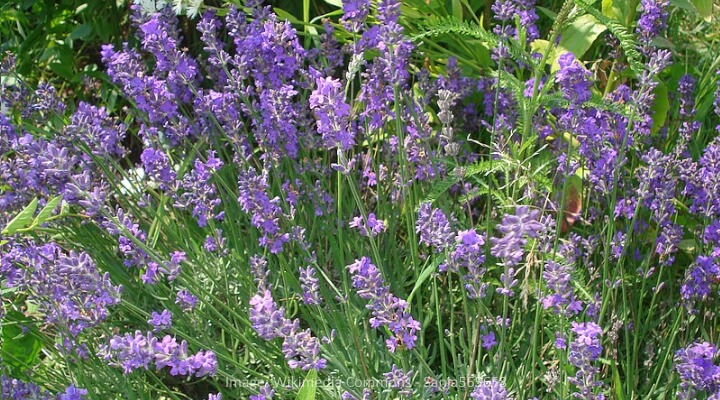
“I grow mine in a bright entryway just for the smell,” one person said on social media.“Even the leaves have that spa-like fragrance.”
Lavender needs direct sunlight or very bright filtered light, plus well-draining soil. Let the top layer dry between waterings. Indoors, I keep it in a clay pot to avoid soggy roots—dry feet make happy lavender.
Osmin Purple Basil (Ocimum basilicum)
Not just edible—Osmin Basil is also a beautiful purple plant for sunny windowsills. The small, shiny leaves are a deep purple-black, with purple stems and a spicy scent. It’s compact and upright, often under a foot tall, making it ideal for sunny kitchen windows.
One plant lover on Houzz shared, “It looks too pretty to eat—but I do anyway.” Many grow it as both an ornamental plant and a kitchen staple.
Give it bright light, moist soil, and regular trimming to prevent flowering. It’s easy to grow from seed or cuttings and adds a touch of color to herb corners.
Rex Begonia (Begonia rex-cultorum)
If you want bold textures and wild leaf patterns, Rex Begonia delivers. Its asymmetrical leaves come in deep purple, silver, and even red-green combos. The surface can be fuzzy, spotted, or rippled—and no two look quite alike.
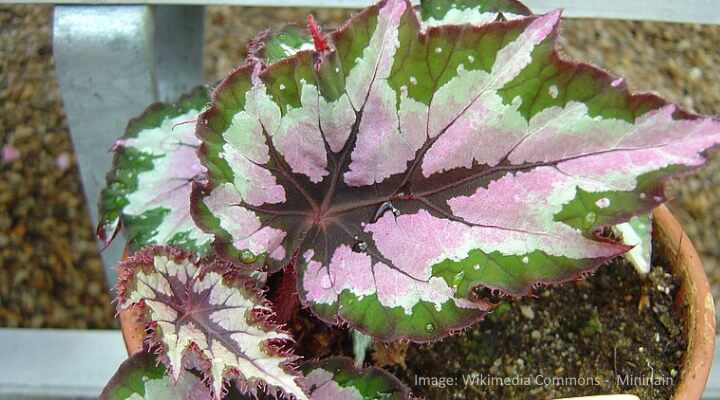
“It’s like each leaf is its own painting,” said one plant lover. “Temperamental, yes, but so worth it.”
These like partial shade, humidity, and well-drained soil. Don’t let the plants dry out fully, and avoid direct sun, which scorches the leaves. Mine prefers a north-facing window and a spot away from heaters.
Rubber Tree Plant (Ficus elastica ‘Burgundy’)
If you want dark foliage with glossy drama, the rubber plant one delivers. Its thick, waxy leaves look like they’ve been dipped in eggplant paint. Slow growing, upright, and steady, it’s perfect for anyone who wants vertical structure without the fuss of constant trimming.

Growers on Houseplant Central often describe it as the “low-maintenance king.” One post joked, “You could forget to water it for weeks and it’ll still stand tall like a houseplant soldier.”
It prefers bright indirect light, but it won’t throw a fit if things get a little dim. I water mine when the top inch of soil is dry and keep it near a sheer-curtained window. The less I hover, the better it seems to do, which, honestly, makes it ideal for busy plant lovers.
Silver Squill (Ledebouria socialis)
Small but mighty, this bulb-forming plant has purple-speckled, lance-shaped leaves and a compact clumping habit. The undersides are a rich purple, adding contrast as the stems arch slightly over the pot edge.
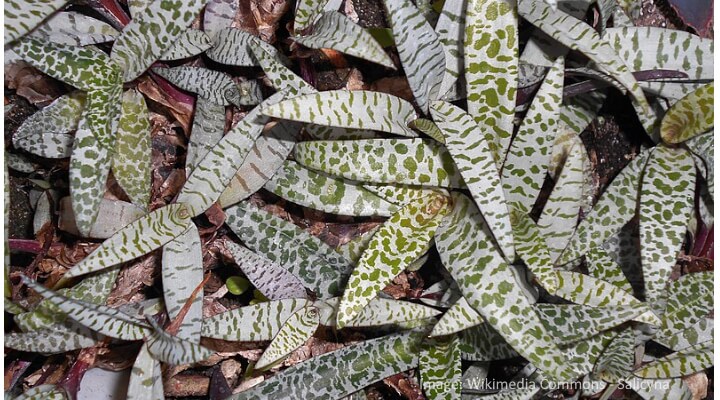
One Reddit user called it “the weirdest little plant that just keeps going.” It’s often used in mixed containers or small-space displays.
Silver Squill likes bright indirect light, well-drained soil, and light watering. I treat mine like a succulent—water less, enjoy more.
Purple Sword Plant (Alocasia lauterbachiana)
This one doesn’t just grow—it makes an entrance. The long, sword-shaped leaves have deep purple undersides and tall, upright stems that stretch toward the light like they’ve got somewhere to be. The top of each leaf is a rich, dusky green with a dramatic central vein. It’s tall and sculptural, and it always looks a little too elegant for its low maintenance needs.
You’ll find it in lots of “unusual houseplants” threads—mostly from people asking what it is after spotting it in the background of someone’s living room. It’s not loud, but it has presence.
It likes bright, indirect light and a little warmth. Mine’s near a frosted bathroom window, where the humidity stays high and the light stays soft. Just keep the soil barely moist and avoid letting it sit wet—it’s a fast sulker if you do.
Philodendron ‘Rojo Congo’
This is one of those plants that makes a room feel finished. It’s slow-growing and structured, with smooth leaves that start deep green and mature into a dark, almost red-wine shade. The stems are thick and upright, and the plant holds its shape like it means it.
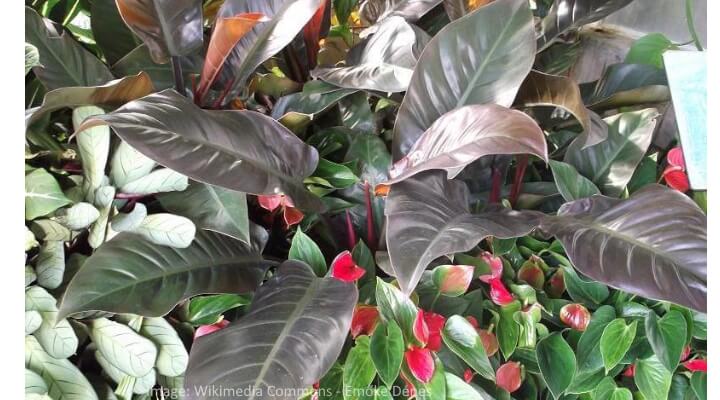
Many growers say it’s one of the easiest philodendrons to live with, especially for busy plant owners who forget to water things on time. One post on AroidForums described it as “bulletproof once you find the right light.”
Give it bright, indirect light and water only when the top inch of soil dries out. I keep mine near a west-facing window and barely move it. It doesn’t demand much, but it looks like it does—and that’s part of the charm.
Purple Pitcher Plant (Sarracenia purpurea)
Definitely not your average houseplant. This one grows curled, tube-like leaves—called pitchers—that are deep reddish-purple and often veined with green or maroon. The shape isn’t just for show; it’s a carnivorous plant that lures in small insects. Even indoors, it holds onto that wild, woodland vibe.
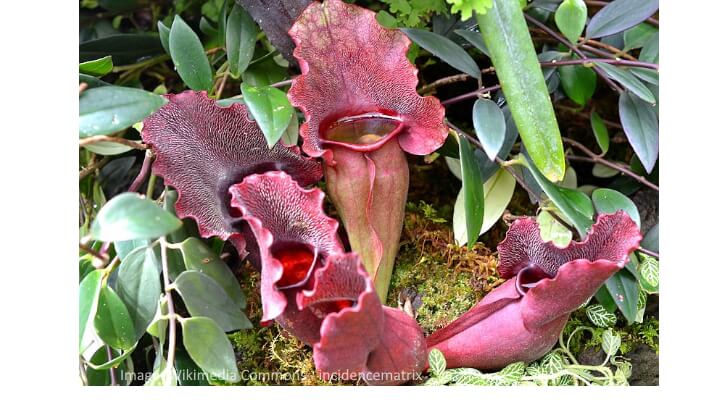
Growers in carnivorous plant forums often call this the most adaptable of the bunch. One person wrote, “If you’ve got a sunny window and a tray of water, this thing just does its thing.”
It needs very bright light—think sunny windowsill, not filtered light—and pure water like distilled or rainwater. I keep mine in a shallow saucer to mimic its boggy roots. It’s a little odd, sure, but it turns heads and never looks like anything else in the room.
Hoya ‘Pubicalyx Splash’
This one brings texture and movement. It grows long, winding vines with narrow, pointed leaves speckled in silver-gray—like someone flicked a paintbrush over deep green. As it matures, the vines stretch and climb, making it perfect for hanging baskets or trailing from a high shelf.

In a post on Houseplant Central, one grower said, “It’s the only hoya that didn’t sulk when I moved it. It just kept growing.” It’s also a favorite for people who want a plant that feels tropical without being dramatic about it.
Give it bright, indirect light and let the soil dry out between waterings. Mine grows near a southeast window and hasn’t stopped pushing out new leaves. With time and warmth, you might even get clusters of small, fragrant, star-shaped blooms.
Want to learn more about hoya plants? Check out my ultimate guide to 37 varieties of hoya plants to grow at home.
Purple Succulents (Echeveria + Friends)
Succulents aren’t all dusty greens and desert vibes—some come dressed in shades of deep violet, plum, and even near-black. These purple varieties bring shape and structure to windowsills, with rosettes that catch the light like carved wax. They stay compact, store water in thick, fleshy leaves, and do especially well in dry, sunny spots indoors.
Growers on GardenWeb often call these “set-it-and-forget-it” plants. One post described Echeveria ‘Afterglow’ as “almost too pretty to be real—like a dusty rose dipped in frost.” These are favorites for both beginners and collectors looking to build a sculptural indoor garden.
They need bright, direct light and well-draining soil. Let the soil dry completely between waterings. I keep mine in a clay pot near a south-facing window—it gets hours of light and looks better for it.
Purple Succulent Varieties:
- Echeveria ‘Afterglow’ – Lavender to purple leaves in a large rosette shape
- Sempervivum heuffelii ‘Bermuda’ – Turns entirely purple in winter; green-pink in summer
- Echeveria ‘Black Prince’ – Almost-black pointed leaves with a waxy shine
- Aeonium arboreum ‘Zwartkop’ – Tall stems with near-black, glossy rosettes
- Broadleaf Stonecrop – Small, rounded leaves with purple margins and silver-green tones
Cyclamen (Cyclamen purpurascens)
Cyclamen doesn’t try to be flashy—it just is. The heart-shaped leaves have delicate silver marbling, and when the plant blooms, the petals shoot up like tiny banners in shades of soft purple, magenta, or deep pink. It grows low and full, almost like a floral cushion.
In cooler-climate plant groups, it’s often praised as a winter bloomer. One member on GardenWeb wrote, “It’s the only thing flowering on my windowsill in January—and somehow still looks elegant.”
Cyclamen likes bright, cool conditions, which makes it perfect for drafty kitchens, spare bedrooms, or that one bright spot that gets chilly at night. Water it from the bottom when the soil feels dry, and don’t panic if it goes dormant for a while—it usually comes back with more flowers if left alone.
Purple Shamrock (Oxalis triangularis)
This one’s full of personality. Its leaves look like deep purple butterflies, each one folding and unfolding with the light. During the day, the triangular leaves spread wide; by evening, they gently tuck in. And when it’s happy, it sends up clusters of pale pink or white flowers that hover just above the foliage.

Purple Shamrocks are a favorite in indoor gardening forums, especially among small-space growers. One person wrote, “My purple oxalis thrives in my kitchen window and never stops moving—it’s like a little mood plant.”
They love bright, indirect light and well-draining soil. Water when the top feels dry, and let it rest if it goes dormant. I leave mine in the window year-round. It looks delicate, but it’s surprisingly tough and consistently earns a second look from visitors.
House Plants with Purple and Green Leaves
Want bold color without giving up greenery? These houseplants mix rich purple with lush green for the best of both worlds. They’re like wearable art for your shelf—high contrast, eye-catching, and surprisingly easy to care for.
“I didn’t even realize my Tradescantia had green and purple leaves until it caught the light,” one Reddit user shared. “Now it’s my favorite low-effort showoff.”
From variegated vines to patterned foliage, these picks don’t hold back. Want drama and depth? Start with these.
Good Luck Plant (Oxalis tetraphylla ‘Iron Cross’)
Four-leaved and full of color, this oxalis variety has green leaves with a purple cross pattern at the center—hence the name. It grows low and wide, like a living patch of clover with flair.
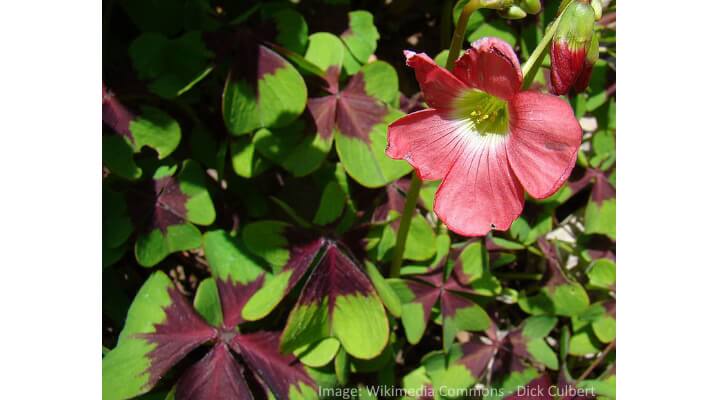
“It folds up at night and reopens in the morning,” one fan shared. “Like it’s resetting for the day.”
It likes partial shade, moderate water, and some downtime in winter. I let mine go dormant in cooler months, then bring it back in spring with fresh water and direct sunlight.
Wandering Jew (Tradescantia zebrina)
This one’s a fast mover that gives a pop of color with its purple foliage. Its trailing stems grow quickly and spill over pots with striped leaves in silver, green, and deep purple. The undersides are pure violet, and the top has a silvery sheen that catches the light like brushed metal. It’s one of those plants that always looks like it’s in motion, even when it’s still.

The purple inch plant shows up often in propagation threads, mostly because people can’t believe how fast it roots. One plant parent on Houseplant Central said, “I broke off a piece, stuck it in water, and had a whole new plant in a week.”
Give it bright, indirect light and pinch the ends regularly to keep it full. I keep mine in a hanging pot near the window, where the vines stretch toward the light like they’re chasing something. It doesn’t need much attention, but it sure knows how to show off.
Pet-Safe Purple Houseplants
A wide variety of purple houseplants are completely safe for cats, dogs, other household pets, and children, while others are not. Knowing which plants to keep out of reach is essential for a pet-friendly home.
Prayer Plant (Maranta leuconeura)
This one’s full of movement. The oval leaves lay flat by day, then fold up at night like hands in prayer—hence the name. Patterns vary by variety, but most have deep purple veins, green stripes, and a glowing pink midrib. A small plant with big visual appeal, it works beautifully on shelves or in humid corners.
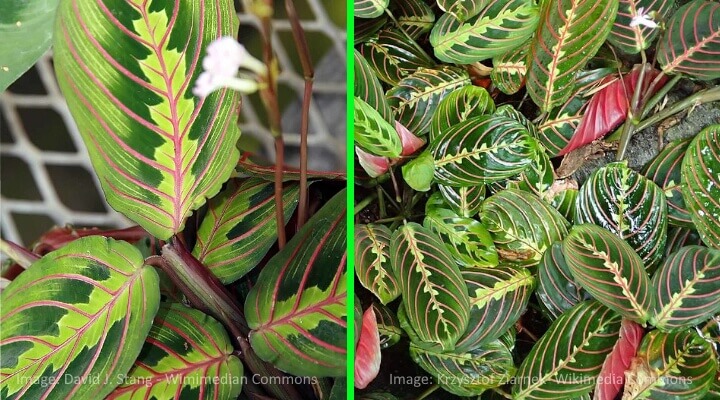
Prayer plant fans often call it “living art.” One Reddit user shared, “I check mine every night—leaves go up like it’s saying goodnight.” Others love how it thrives in low light and bounces back quickly after drooping.
It prefers moist soil, consistent indirect light, and a bit of humidity. Mine lives near the kitchen sink, where the air stays warm and damp. It’s also non-toxic to pets, which makes it one of my favorite picks for homes with curious paws.
According the plant experts at the ASPCA, other purple houseplants safe for cats and dogs include the following:
- Purple Waffle Plant (Strobilanthes alternata)
- Calatheas
- Purple Passion Vine (Gynura aurantica)
- Cast Iron Plant (Aspidistra elatior)
- African Violet (Saintpaulia)
Toxic purple houseplants
Tradescantia species, Calatheas, Begonias, Persian Shield. These plants contain compounds that can cause mild to severe irritation if ingested by pets or children.
Worried your cat might munch on your plants? Check out our guide on how to keep cats away from plants without giving up your indoor jungle.
Trailing and Hanging Purple Houseplants
These purple plants aren’t just about color—they add movement and depth to your indoor space. Whether you hang them in a window or let them trail off a shelf, they bring that extra bit of softness that upright plants just can’t. They’re fast growers, easy to style, and great for adding dimension to a room.
Moses-in-the-Cradle (Tradescantia spathacea)
Tightly packed, upright leaves with purple undersides and green tops—this one looks like a bouquet of boat-shaped blades. It grows in a rosette, but as it matures, it begins to spill outward, giving you both structure and flow in one pot. The name comes from the tiny white flowers it hides deep in the fold of its leaves, like they’re tucked in for a nap.
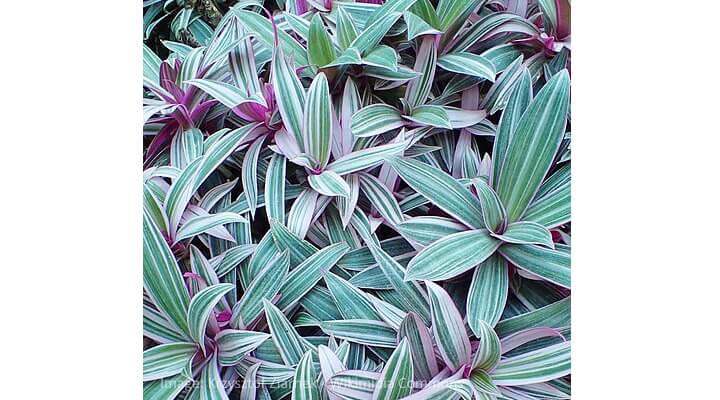
It’s a quiet favorite on older plant forums. One long-time grower called it “the most underhyped purple plant out there—basically unkillable. It also gives a great splash of color against a white background.”
Moses-in-the-Cradle thrives in bright, indirect light and tolerates a bit of neglect. I grow mine in a ceramic bowl on a high shelf where the leaves cascade just slightly over the edge. It handles uneven watering better than most and keeps its color even when the light shifts through the seasons.
Sweet Potato Vine (Ipomoea batatas ‘Sweet Caroline Purple’)
Fast-growing and full of drama, this vine spreads quickly with deep purple, lobed leaves that trail beautifully from pots or hanging baskets. It’s a go-to for adding movement, color contrast, and that extra touch of plant flair.
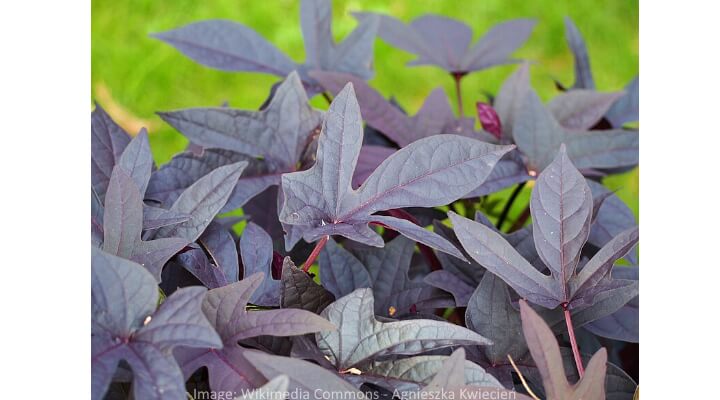
Growers often call it the easiest way to get vibrant foliage without much effort. One post on Houseplant Central said, it’s “perfect for busy houseplant enthusiasts who forget to water—it bounces back every time.” The compact growth habit makes it great for small spaces or grouped with green plants for bold texture.
It does best in bright, indirect light, but handles artificial light too. Keep the soil moist but not soggy to avoid root rot. I grow mine in a sunny kitchen window and let it spill freely—low effort, high impact, and always the first plant people ask about.
Purple Flower House Plant for Small Apartments
Gloxinia (Sinningia speciosa)
If African violets had a dramatic cousin, it’d be Gloxinia. With velvet leaves and oversized, bell-shaped blooms, this tuberous showstopper turns any windowsill into a floral display. The purple varieties? Absolutely regal. Just don’t confuse it with hardy gloxinia—different plant, different vibe. Indoors, it thrives with warmth and bright, indirect light.

If you like purple houseplants but want something softer or more patterned, take a look at these plants with purple and white flowers. They lean more decorative and bloom-focused, which makes them a good next step if solid purple foliage feels too heavy for your space.
African Violet (Saintpaulia) – Purple Houseplant with Attractive Flowers
Fuzzy, compact, and endlessly charming, African Violets are one of the few houseplants that flower reliably indoors. The soft, rounded leaves form tidy rosettes, and the blooms hover just above them in shades of deep violet, lavender, and even pink. It’s the plant version of a gentle overachiever.
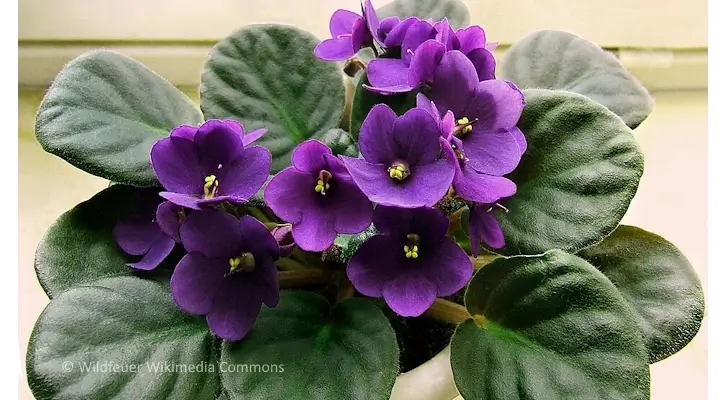
In classic plant forums, it’s often called “grandma’s favorite,” but it’s had a real comeback, especially with newer varieties. One grower in a Facebook group said, “It blooms even when I forget it exists, and that’s all I ask of a plant.”
Keep this indoor plant with soft, fuzzy leaves in a spot with bright, indirect light and water from the bottom to avoid leaf spots. Mine lives on a kitchen counter near a filtered window and gets just enough warmth and humidity from nearby cooking. When it’s happy, the flowers just keep coming.
Purple Houseplants with Fuzzy Leaves
Soft, strange, and a little bit magical—these plants bring texture and color. Their leaves aren’t just pretty; they beg to be touched. Think of them as the velvet blazers of your indoor jungle.
“I didn’t even like purple plants—until I brushed against my Purple Passion. Game over,” someone posted on r/houseplants.
These fuzzy friends love bright light and dry soil. No drama—just cozy vibes and bold foliage.
Purple Passion Plant (Gynura aurantiaca)
This one feels more like velvet than foliage. Purple Passion (Gynura aurantiaca) is covered in tiny, soft hairs that give its green leaves a fuzzy glow in deep violet. The stems trail easily, making it a natural fit for baskets or shelves where the light catches every detail.

Purple passion plant is a favorite among plant lovers looking for something tactile and unusual. On Indoor Jungle Forum, someone wrote, “You don’t grow it—you pet it.” Its fast-growing habit and eye-catching color and orange flowers make it a standout in collections full of glossy greens.
Give it bright, indirect light and let the top inch of soil dry between waterings. Too much water and you’ll risk root rot. I keep mine under a grow light near my snake plant—simple care, vivid color, and surprisingly satisfying to prune. It’s one of the most charming plants I own, and still one of the least demanding.
Check out my guide on successful methods for purple passion plant propagation. However, not every plant parent wants to keep it in their indoor jungle because purple passion plant flowers emit a rancid stench.
Prefer something brighter and more cheerful? These plants with purple and yellow flowers bring in stronger contrast and a more energetic look. They are useful if you like color, but want something warmer and less moody than deep purple foliage.
Purple Foliage or Purple Flowers—Which Should You Choose?
Choose purple foliage if you want color that lasts even when the plant is not blooming. Choose purple flowers if you want a softer pop of color and do not mind waiting for the show. For most beginners, purple foliage plants give more consistent impact indoors. They’re always a talking point if they’re flowering or not.
Purple Houseplants that Actually Bloom Indoors
While most purple houseplants shine through their leaves, a few bring that rich color through flowers. These indoor bloomers mix the charm of flowering plants with the easy care of their foliage cousins.
Passionflower (Passiflora)
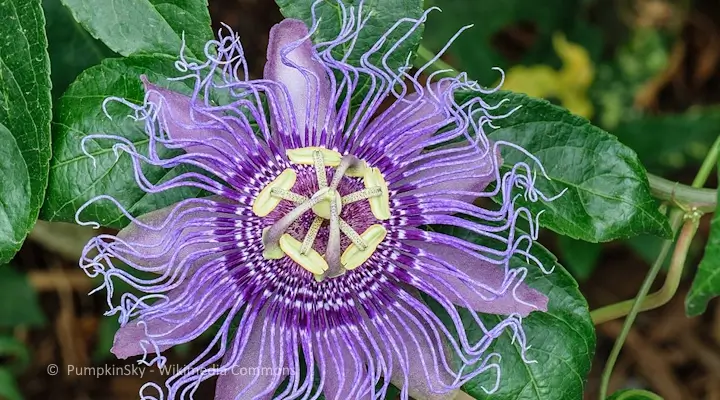
This vine produces intricate, exotic purple blooms with a captivating structure. For the passion flowers to bloom, the purple house plant requires bright light and regular pruning to keep its vigorous growth in check.
Purple Bellflower (Campanula)

With delicate, bell-shaped blooms and green foliage, this plant adds charm to any indoor setting. It thrives in cool, bright conditions and requires moderate watering.
Want something cooler-toned? These plants with blue and purple flowers sit closer to that calm, dusky end of the spectrum. They are a nice fit if you like purple, but want blooms that feel a little airier and less intense indoors.
Purple Orchid (Phalaenopsis violacea)
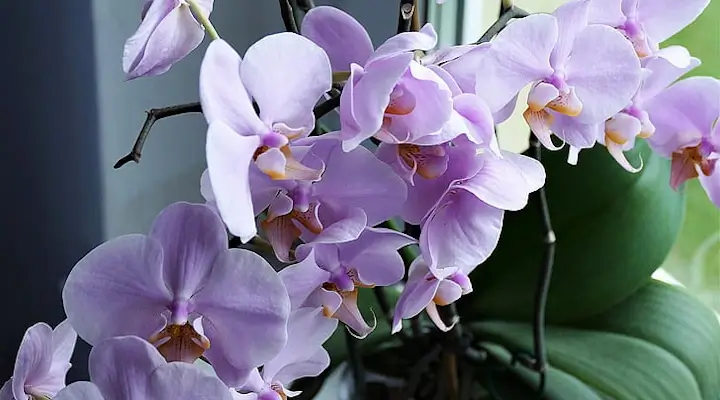
This striking orchid features elegant lavender purple blooms with a light fragrance. It thrives in bright, indirect light and needs a humid environment. Water it sparingly, allowing the roots to dry slightly between watering.
If you want a gentler color palette, these plants with pink and purple flowers are worth a look. They suit lighter rooms, softer decor, and anyone who likes floral color without the darker feel some purple houseplants can bring.
Propagation Tips for Your Favorite Purple Plants
Some purple plants are so rewarding you’ll want a few extras around the house—and the good news is, most of them are easy to multiply. Propagation is basically plant cloning: take a stem cutting, pop it in water or moist soil, and watch new roots form. It’s fast, fun, and free color for your home.
Here’s how to do it:
- Take a 4–6 inch cutting below a node.
- Remove lower leaves and place in water or moist soil.
- Keep bright, indirect light.
- Transplant once roots are about 2 inches long.
For a step-by-step walkthrough (and photos of the process), see our detailed guide on Purple Passion Plant Propagation — the same method works for Tradescantia and Purple Heart too.
What Goes Wrong With Purple Houseplants?
Purple houseplants usually struggle when the light is too low, the air is too dry, or the plant is fussier than its color suggests. The most common problems are fading leaves, legginess, brown edges, and dull growth—often because the plant is in the wrong spot, not because you are doing everything wrong.
Purple Houseplants Care Tips for Beginners
Let me share my top plant care tips for keeping vibrant leaves and happy roots.
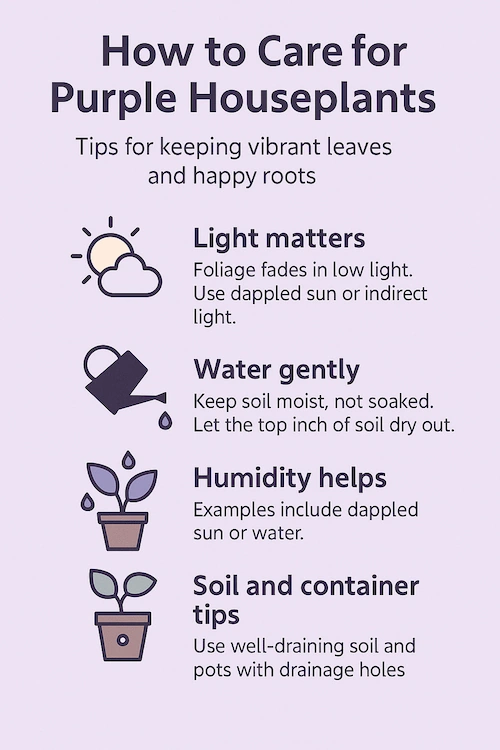
Purple houseplants may look bold, but most aren’t high-maintenance—if you understand what they want. Whether it’s fuzzy-leaved, glossy, or trailing, here’s how to keep that color strong and the plant thriving indoors.
Light matters
Purple foliage often fades in low light. Most varieties prefer bright, indirect sunlight or dappled light to maintain bright colors. A few tolerate artificial light, but color is strongest with natural exposure. Avoid direct sun unless your plant is thick-leaved or succulent.
Water gently
Root rot is the number one reason these stunners crash. Keep soil moist, not soaked. Let the top inch of soil dry between waterings. Fast-growing plants like sweet potato vine may need more frequent watering—just check first.
Humidity helps
Many purple varieties come from tropical climates. They appreciate above-average humidity levels. If your colorful leaves are crisping or dulling, move the plant to a bathroom, mist lightly, or group it with other household plants to boost local humidity.
Soil and container tips
Use well-draining soil and pots with drainage holes. Succulents and plants with cupped leaves or fuzzy textures especially dislike wet roots. Clay pots help wick away excess moisture and reduce the risk of soggy buildup.
Fertilizer and seasonal care
During active growth, a balanced fertilizer every 4–6 weeks is enough. In cooler temperatures or low light, ease off. Some plants like oxalis or cyclamen may go dormant—just give them time and they’ll return.
Tip: If your purple leaves are turning green, it’s probably a light issue, not a soil one.
Do Purple Houseplants Stay Purple Indoors?
Yes, many purple houseplants can stay purple indoors, but the color usually depends on light, temperature, and the plant itself. Some keep their purple tones well in bright, indirect light, while others fade to greener leaves in dim rooms or when growing conditions are off.
Purple color comes from pigments called anthocyanins, and those pigments can become less noticeable when the plant is not getting the kind of light it prefers. That’s why a Persian Shield can look rich and metallic in one room, then flatter and greener in another.
Some plants are naturally more reliable indoors than others. Purple Waffle Plant, Tradescantia, African Violet, and many prayer plant types tend to hold their color fairly well indoors. Persian Shield and some deeper purple foliage plants often look best when they get strong, bright, indirect light.
If your plant starts losing color, it does not always mean it is dying. More often, it is reacting to lower light, seasonal change, dry air, or a care routine that is not quite right. That is one reason purple houseplants can feel fussier than plain green ones—they show environmental stress faster.
The good news? Once you match the plant to the right light and care level, many purple houseplants keep enough color indoors to still give you that bold, moody look people want in the first place.
Purple Houseplants: Smart Care Tips for Beginners and Curious Growers
Once you’ve fallen for purple plants, it’s easy to get hooked. But keeping those rich tones year-round takes a few insider moves. Here’s a collection of real-life care questions — the kind that turn first-time growers into confident purple plant parents.
Why do purple plants lose their color?
Purple houseplants fade when they don’t get enough bright, indirect light or balanced nutrients. Excess nitrogen encourages green growth over pigment. Move the plant closer to filtered sunlight and reduce high-nitrogen fertilizer to restore deep color.
Can purple houseplants flower indoors?
Yes. A few purple houseplants, like African Violets, Gloxinia, and certain orchids, bloom indoors with bright, indirect light and consistent moisture. Most others show their color through foliage rather than flowers.
How can I make purple plants look fuller or bushier?
Regular pruning and pinching tips encourage branching in purple houseplants like Tradescantia and Purple Heart. Bright light and consistent watering prevent leggy growth. Use small stakes or moss poles for trailing varieties to stay compact and lush.
Do purple houseplants attract pests?
Like most indoor plants, purple varieties can attract spider mites or aphids if conditions are dry. Keep humidity moderate and inspect undersides of leaves regularly to prevent infestations.
Purple Houseplants: FAQs
Purple plants can be a little dramatic, can’t they? One week they’re bold and thriving, the next they’re sulking under the grow light. Don’t worry—it’s part of their charm. Here’s where things get fun: the real secrets to keeping those rich tones and velvety leaves long-term. These answers come from trial, error, and a few proud plant-parent wins.
Why are my purple plant leaves turning green?
Purple leaves fade when the plant isn’t getting enough light. Most purple houseplants need bright, indirect sunlight. Move it closer to a filtered window or upgrade your grow light to help restore those vibrant colors.What causes root rot in purple houseplants?
Root rot happens when plants sit in soggy soil. Fuzzy-leaf types like Purple Passion are especially vulnerable. Use well-draining soil and allow the top inch to dry before watering.Can purple houseplants grow under artificial light?
Yes—especially Purple Waffle Plant, Coleus, and Purple Heart. Use full-spectrum grow lights and keep plants 6–12 inches below. Watch for stretching or dullness.Are purple houseplants safe for pets?
Pet-safe purple houseplants include Calathea ‘Dottie’, Purple Shamrock, and some Tradescantia varieties when placed out of reach. Many others contain mild irritants such as saponins, which can cause drooling or stomach upset if chewed. Always check species before buying. Check ASPCA or ask your vet.Do purple houseplants need higher humidity?
Most do. Tropical types like Calathea Roseopicta love humidity. Use trays, groupings, or place them in humid spots like kitchens or bathrooms.Which purple houseplant is best for beginners?
Try Purple Waffle Plant, Coleus, or Purple Heart. They’re forgiving, easy to root, and handle a missed watering or two.Why do some purple plants bloom indoors while others don’t?
Plants like African Violets bloom regularly. Others, like Rubber Plant or Purple Sword, rarely flower indoors and are grown for foliage.Do purple houseplants improve air quality?
Yes, many contribute to humidity and circulation. Rubber Tree and Philodendron are especially good—but they’re no substitute for ventilation.What’s the easiest trailing purple houseplant?
Wandering Jew and Purple Heart are great options. Fast growers, easy to propagate, and perfect for shelves or hanging pots.Are there purple succulents that work indoors?
Absolutely. Echeveria ‘Black Prince’, Aeonium ‘Zwartkop’, and Sempervivum ‘Bermuda’ all thrive in bright spots with dry soil.Color, Character, and a Dramatic Plant That Fits Your Life
Purple houseplants offer more than just beautiful color—they bring shape, movement, and a little personality into your space. Whether you’re working with filtered light, a busy schedule, or just a small windowsill, there’s a plant on this list that’ll fit.
Try one. Or try three. And enjoy the slow, satisfying rhythm of watching something grow.
