


As an Amazon Associate I earn from qualifying purchases at no extra cost to you.
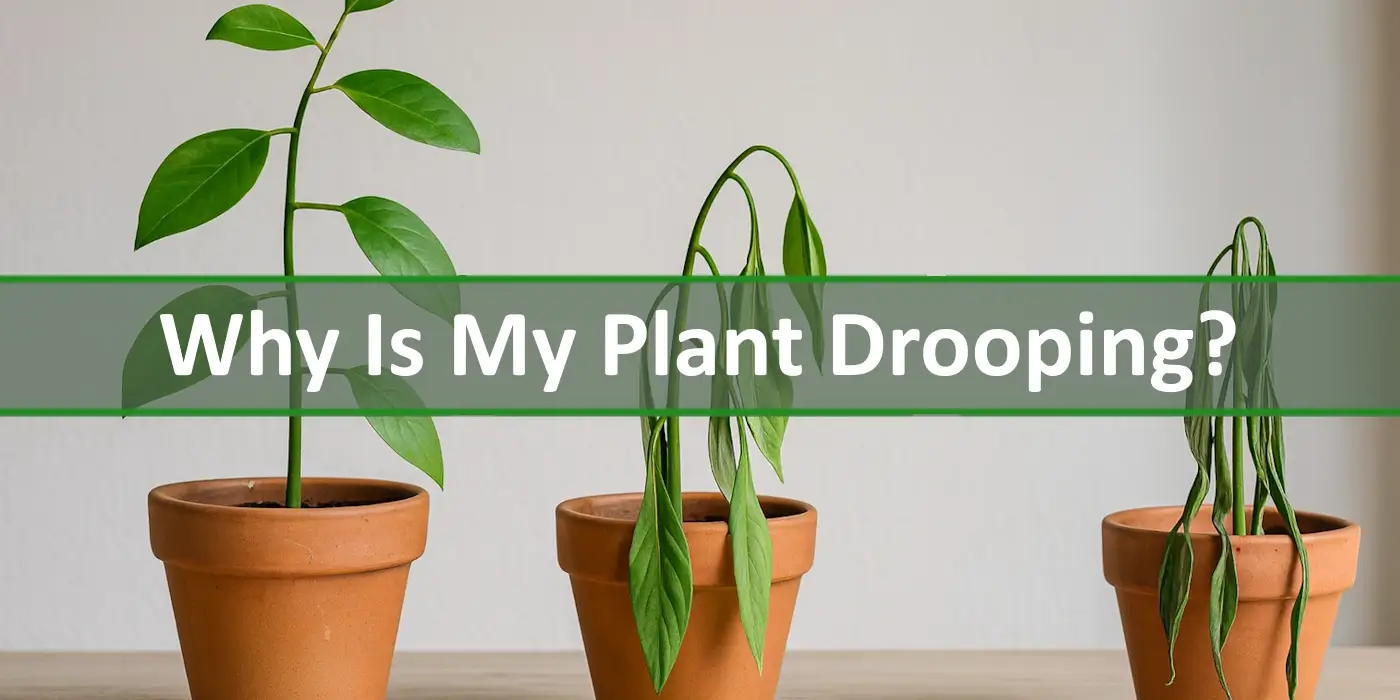
Are you staring at an indoor plant drooping and wondering, “Why is my plant drooping all of a sudden?” Drooping leaves and stems are your houseplant’s way of waving a white flag. Whether it’s a snake plant drooping, a pothos, or your favorite tropical, the cause is usually fixable once you know what’s wrong.
Table of Contents
Sometimes it happens overnight. You water your plant, give it a pep talk, and the next morning it’s slouched over like it’s given up on life. The stems go limp. The leaves hang like they’re tired. You check the soil. You start spiraling.
Is it root rot? Did I overwater? Wait—did I underwater?
Drooping leaves on an indoor plant can look dramatic, but it’s usually your houseplant’s way of saying something’s off. It could be stress. Could be heat. Might just be transplant shock or bad timing.
Once you know what you’re looking at—and what not to panic about—most houseplants bounce back. And fast.
Let’s figure out what’s actually going on. No guilt. No guesswork. Just clear plant care advice that helps your jungle perk up again.
Is Your Plant Drooping or Wilting? Here’s How to Tell
Let’s start with a quick reality check, because not every sad-looking plant is actually in trouble.
Drooping and wilting get thrown around like they’re the same thing. They’re not. And knowing the difference can save you from overwatering something that just needed a nap.

Drooping usually means the leaves or stems are limp, but still hydrated inside. The plant’s cells have lost pressure—what’s called turgor—so the leaves collapse slightly, like a balloon losing air. It’s more of a slouch than a shrivel. Think melty spinach, not crunchy kale.
Wilting, on the other hand, often brings dryness, curling, or shriveling. It usually means your plant is actively dehydrated, or worse, roots can’t absorb water due to rot or damage.
Still not sure which you’re dealing with? Let’s zoom in on the clues.
How to Tell the Difference (Without Guessing)
Start with a finger test. Gently touch the leaves. Are they soft and floppy but still juicy? That’s drooping. Dry, brittle, or curled? More like wilting.
Now check the soil. A droopy plant might still have moist soil—maybe too moist. Wilting usually shows up when the soil’s bone dry or the roots are struggling.
Light angle matters too. Some plants (I’m looking at you, Calathea) droop slightly at night and perk up in the morning. That’s normal—circadian movement, not distress.
“My Monstera looked sad for days—I thought it was thirsty, but it was just cold near the window.” – Reddit plant lover
The key is context. Time of day, watering schedule, recent moves—all of it paints a fuller picture. Once you know what signs to look for, diagnosis gets way easier.
Drooping is one type of plant stress, curling is another. If your leaves look more twisted than limp, here’s what curling leaves mean and how to fix them.”
The Droopy Plant Checklist: Quick Diagnosis Tool
Okay, so your plant looks defeated. Not dead, just… emotionally unavailable. Here’s how I figure out what’s actually wrong—before doing anything drastic.
This isn’t guesswork. It’s a vibe check. Quick, visual, finger-in-the-soil kind of stuff. You’re looking for clues, and your plant is absolutely dropping hints.
Run through these and see what clicks.
- Soil feels bone dry? Classic underwatering. Try bottom watering and reassess your routine.
- Soil’s soggy, smells earthy (or worse)? You’re probably looking at overwatering or early root rot. Time to repot with something like Promix BX and ease off the watering plan.
- Tiny webs or dusty dots on the leaves? That’s not glitter—it’s spider mites. Neem oil spray ASAP.
- Tiny flies hovering near the pot? Yep, those are fungus gnats. Let that soil dry and use sticky traps or hydrogen peroxide rinse.
- Leaves feel limp but still hydrated? Could be leaf turgor loss from poor air circulation or high transpiration rate—especially near heaters or open windows.
- Just repotted or moved it? You’re probably dealing with transplant shock. Happens to the best of us.
- Crispy leaf edges? That’s likely heat stress or super low humidity. Misting can help, but only if airflow’s decent.
- Leggy, stretched-out growth? Check your grow light distance or sunlight hours. Could be light stress.
- Fertilized recently with a nutrient solution? That could throw your plant into a funk, especially if it’s store-bought 2-part nutes. Flush the soil and give it space.
One Reddit user in r/houseplants put it best: “Mine drooped like a drama queen—turned out it just hated being next to the heat vent.”
Drooping paired with yellow leaves? That’s often a different problem altogether. See our snake plant yellowing guide for exact causes and step-by-step fixes. You can also check your our other article to find top advice on what to do if your snake plant has curling leaf problems.
Once you tick one of these off, the fix gets way easier. Ready to break them down one by one? Let’s go.
9 Common Causes of Plant Drooping (And What Each One Means)
Wondering why your plant looks tired, wilted, or sad? Drooping leaves are usually a sign that something’s off—water, light, pests, or even pot size.
Below are the nine most common causes of houseplant drooping and how to quickly figure out what your green buddy is trying to tell you.
1. Overwatering Causes Root Rot
Let’s talk soil moisture. Too much water leaves roots gasping for air. Soggy soil quickly leads to rot, and drooping leaves are your plant’s distress signal. And this can turn your lush indoor jungle into a wilted mess.

On the flip side? That sad, yellow-leafed snake plant might be drowning. If the pot feels heavy and the base smells like a swamp, it’s likely root rot setting in. Soil moisture meters and the good old finger test can help. Dry an inch down? Water. Soggy all over? If you notice plant leaves drooping and turning yellow, that’s a classic sign of overwatering and root rot.
Aerate or repot with fast-draining soil to avoid root rot, especially for tropical houseplants.
And here’s a tip seasoned plant folks swear by: stick to room-temperature water and go slow—no surprise showers, please.
Houseplant experts recommend using a soil moisture meter to ensure you water your indoor plant only when the soil around the root ball is dry.
2. Underwatering Makes Leaves Limp
Dry soil starves roots of moisture. Without enough water, stems lose structure and leaves collapse like tired umbrellas.
If the soil’s pulling away from the edge of the pot or feels dusty and crumbly, your plant’s screaming for water. “I water once a week, but my pothos still droops,” someone shared on Reddit. That’s classic underwatering—it’s not about the schedule, it’s about what your plant needs right now.
The worst thing you can do with plants is water them on a regular schedule. They need more moisture in the summertime, or they’ll wilt in the heat. And in winter, less frequent watering—otherwise, you risk overwatering.
3. Too Much Sun or Not Enough Light Causes Leaf Droop
Too much direct sun can scorch leaves, while low light starves them of energy. Either way, the result is the same — weak, drooping foliage that looks tired and lifeless.
Ever walk into a room and spot your snake plant doing a weird lean, like it’s reaching for something? It probably is—light. Lack of bright, indirect light is a major cause of drooping leaves, especially in tropical houseplants like philodendrons and pothos.
A plant expert on Reddit shared, “My monstera was fine all winter, but now it’s slouching like a moody teen.” What happened? They’d moved it away from its sunny perch. Thing is, many plants need consistent lighting, and when they don’t get it? They droop, stretch, or give up entirely.
But don’t swing too far. Too much sunlight scorches leaves and dries out the soil fast. Prayer plants, ferns, and even hoyas can collapse if they’re sun-stressed. You’ll see crispy edges, faded patches, or leaves curling inward—like they’re trying to hide from the spotlight.
If your soil’s drying too quickly, or if the pot feels hot to the touch? You’re probably cooking your plant. Pull it back a few feet or filter the light with a sheer curtain. That soft morning light from an east-facing window? Chef’s kiss for most indoor plants.
4. Wrong Pot Size Stresses the Roots
Sometimes it’s not you—it’s the pot. A pot that’s too small can make a plant rootbound, while one that’s too big can keep soil wet too long. Either condition can cause drooping leaves and slowed growth.
Too cramped? The roots are tangled like spaghetti, pushing against the sides and draining fast. I once found my snake plant’s roots doing a prison break, bursting right through the plastic pot. It looked fine until one day, the whole thing keeled over as if it had given up.
Too big? That’s when things get soggy. More soil = more moisture = more chances for root rot. Your plant might sit in wet conditions for days, especially in lower light. One Redditor wrote, “I repotted into a fancy ceramic pot, and now my ZZ is limp and sad. Rookie mistake—way too big.”
If your soil’s staying wet and your plant’s droopy, check for overpotting. When repotting, go one size up—no more. Your roots need breathing room, not a bathtub.
Did you know that not any pot will do for any plant? Matching a pot with the right type of plant can help prevent drooping leaves. Check out the best pots for indoor plants to ensure your houseplants stay healthy throughout the year.
5. Temperature Stress Makes Leaves Go Limp
Extreme heat speeds up water loss, while sudden cold slows root function. Both stress your plant and leave its foliage limp or curling. It’s their way of saying, “What is this chaos?”
Tropical houseplants suffer from cold damage, especially when exposed to cold air drafts from open windows, A/C, or air vents. One Reddit user said, “My calathea looked fine until winter hit. Then it started drooping next to the window—turns out the cold air was blasting it every night.” Classic case of a sudden temperature drop messing with leaf turgor.
But don’t overlook heat stress in plants either. I once left my pothos near the kitchen window, right above the heater. The soil moisture evaporated fast, the humidity dropped, and the leaves went limp like overboiled pasta. It’s also a reason why many houseplants droop in summer heat, especially if there’s an unseasonal spike in temperatures.
If your houseplant is near a vent, window, exhaust fan, or heat source, check for signs of temperature shock—crispy edges, rapid wilting, or drooping plant leaves that weren’t sagging yesterday.
Keep things stable and avoid temperature extremes. Aim for room temperatures between 18–24°C (65–75°F), avoid direct drafts, and boost humidity levels with a tray or humidifier if needed.
6. Drooping Leaves Are Common After Repotting
Repotting disturbs the roots, making it harder for them to absorb water. Leaves may droop for days while the plant adjusts to its new home.
Of course, all houseplants need repotting from time to time. It’s a chance to show some real plant care: new soil, larger pot, better drainage, and healthier growth. But be prepared for the adjustment. In other words, transplant shock after repotting
When you disturb the root system—even with the best intentions—your houseplant might respond with limp stems, drooping leaves, and that classic “why did you do this to me?” vibe. Someone on Reddit shared, “My philodendron flopped over like it passed out the day after I repotted it.”
Plants sometimes droop after repotting because the roots need time to adjust to the new potting mix and soil moisture levels. If the soil’s too different or you compacted it tightly, oxygen can’t reach the roots, and that triggers stress. Fast.
Don’t fertilize. Don’t panic. Just keep it in bright, indirect sunlight and maintain steady humidity. Hold off on watering until the top inch of soil is dry. And skip the fancy terra cotta for now—plastic retains moisture better during recovery.
Most indoor plants bounce back from transplant shock within 10–14 days. It’s a trust fall. Be patient.
7. Pests Damage Plant Foliage and Health, Causing Droopy Leaves
Insects like aphids, thrips, or spider mites suck sap directly from leaves. This steady drain weakens the plant and leads to limp, discolored foliage.
So, if you’ve ruled out watering, light, and temperature as the cause of droopy leaves, you might have squatters. Microscopic, juice-sucking bugs. Unfortunately, pest infestion is a common casue of plant drooping.
Getting rid of spider mites, thrips, and fungus gnats in potted plants is crucial. These common plant villains sap strength from stems or gnaw on delicate roots. One Reddit comment nailed it: “I thought my calathea was just dramatic until I noticed sticky specks and a fine web.”
Thrips are tricky to get rid of because often hide in flower buds or leaf creases. Spider mites leave dusty patches or faded, stippled leaves. And fungus gnat larvae? They chew on roots below the surface, so your soil moisture reads fine, but your plant keeps drooping anyway.
Start with yellow sticky traps to see what’s flying. Then treat plant bugs with a cold-pressed neem oil spray or insecticidal soap. Spray leaf undersides and repeat weekly. For fungus gnats, let the top two inches of soil dry out before watering again.
You’re not just fighting bugs—you’re reclaiming your indoor jungle.
Have you noticed tiny black bugs crawling on your leaves or soil? You’re not imagining things—and yes, they’re common. Check out my article: How to eliminate tiny black bugs on houseplants and how to stop them from returning.
8. Natural Aging Makes Leaves Wilt and Drop
Older leaves eventually fade, droop, and fall away as the plant puts energy into fresh growth. It’s a normal part of the life cycle.
So, before you panic, check where the drooping is happening. If it’s just the oldest leaves near the base, your plant might just be letting go.
Houseplants like snake plants, ZZ plants, and even pothos regularly shed older leaves as part of their growth cycle. It’s totally normal. I saw a comment in a plant group that said, “I almost repotted my entire rubber plant because of one yellowing leaf—turns out it was just aging out.”
Look at the new growth. If the top leaves are firm, upright, and green, there’s nothing wrong with your soil moisture, lighting, or humidity levels.
Don’t rush to water or start moving the plant. Let that old leaf do its thing. Once it’s fully limp and faded, you can prune it clean with sterilized scissors.
9. Winter Dormancy Can Cause Seasonal Drooping
Shorter days and cooler indoor temps slow growth in many houseplants. This seasonal rest can make leaves look limp, even when the plant is healthy.
Don’t be surprised if your houseplant looks a little meh during seasonal shifts. Drooping plant leaves in winter aren’t always a crisis—it might just be dormancy. So, you’ll maybe have to rethink your seasonal plant care.
Tropical houseplants like calatheas, alocasias, and philodendrons often slow down when light levels drop or temperatures dip below their comfort zone. One Reddit user wrote, “My Alocasia just deflates every November. I used to panic—now I just dim the grow lights and wait it out.”
If you’ve ruled out root rot, pests, or drafts, and you’ve passed Thanksgiving and looking forward to Christmas, your plant could just be hitting the pause button.
Cut back on watering (they’re not drinking much), skip the fertilizer, and keep it in bright indirect sunlight. A soil moisture meter helps avoid overwatering during this low-energy phase.
By spring, once days get longer and temps rise, you’ll usually see fresh growth pop up—like your plant hitting play again.
How Long Till Your Drooping Plant Perks Up?
Honestly? It depends. If your houseplant just needed water, it might bounce back overnight. But with root damage, pests, or transplant shock, it’s a slow dance. Even after you repot the plant in fresh soil. One plant parent shared on Reddit, “My pothos looked dead for 10 days, then started pushing out new leaves. Plants are wild like that.”
Give it patience, bright indirect sunlight, and stable humidity levels. Healing takes time.
Bonus Section: Top Tip on Reviving Specific Types of Houseplants
Some plants are just more dramatic than others. Here’s how to troubleshoot drooping in four popular plants—fast, clear, and to the point.
Troubleshoot Drooping by Plant
- Snake plant — usually overwatering. Fix it with our Snake Plant Drooping & Recovery Guide.
- Jade plant — wet roots or low light. See out Jade Plant Drooping fixesbelow.
- Prayer plant — drafts + dry air. Explore the Prayer Plant Drooping Guidebelow.
- Tomato (indoor) — heat or water swings. Read the Indoor Tomato Drooping Tips.
- Aloe — soggy mix or shade. Check out our Aloe Drooping Guide.
- Spider plant — rootbound or drought. Try the Spider Plant Drooping Solutions.
- ZZ plant — cold snaps or overwatering. Learn from the ZZ Plant Drooping Guide
Why is My Jade Plant Drooping?
I’ve done it—thought I was being attentive and drowned my jade. Squishy leaves? That’s your red flag. Jade hates wet feet. If it’s drooping, check for mushy roots and repot using a dry-loving cactus mix. Full sun helps it bounce back. Then wait—no more sips until the soil’s dry and dusty.
Why is My Prayer Plant Drooping?
Prayer plants are divas about air. Seriously. One cold draft and they fold up like drama queens. If yours is limp, check for dry air, crispy tips, or tight, dry soil. Mist gently, boost humidity, and find it a warm, cozy spot with soft light. Skip direct sun unless you want crispy drama.
Why is My Tomato Plant Drooping?
Tomato plants act like toddlers when they’re thirsty—wilting, flopping, or flat-out collapsing. Dry, cracked soil? Underwatering. But soggy soil and yellowing leaves? Now you’ve got root rot. Deep, regular watering works better than shallow sips. And make sure it’s draining—soggy roots are bad news.
Why Is My Aloe Plant Drooping?
Sad, slouchy aloe? Overwatering strikes again. Those juicy leaves turn to mush fast. Let it dry out like a desert. Terracotta pot, cactus soil, and bright sun—aloe’s version of a spa day. Don’t water until the soil’s bone dry. Then wait a little longer. It’ll thank you.
>Why Is My Spider Plant Drooping?
Spider plants get floppy for a few reasons: dry air, underwatering, or being crammed in a tiny pot. If the tips are brown and the soil’s pulling from the edges, time to water. They’re fast growers—so if roots are circling, repot. Keep it humid and give them some elbow room.
Why Is My ZZ Plant Drooping?
If your ZZ is drooping, it’s probably not because you ignored it—it’s because you didn’t ignore it enough. These plants store water in fat rhizomes. Yellowing or mushy stalks? That’s rot. Cut back on watering. Fast-draining mix. Let it go totally dry before the next drink. Trust me, it prefers neglect.
How to Revive a Drooping Houseplant (With Timeline)
Most drooping houseplants bounce back with the right care—water, light, or time. But you’ve got to act fast and stay patient. Follow this simple timeline to bring your plant back to life without guessing.

Revival Timeline for a Drooping Plant
- Hour 1: Check soil moisture with your finger or a soil moisture meter. If bone dry, water deeply. If soggy, pause and assess for root rot.
- Day 1–2: Move to bright, indirect sunlight. Avoid drafts or heat sources. Skip fertilizer and don’t repot yet.
- Day 3–5: Monitor leaf firmness and color. Remove yellowed or mushy leaves with clean scissors.
- Week 1–2: If there’s no perk-up, gently unpot and inspect roots. Trim black, slimy roots and repot in fresh, well-draining soil.
- Week 3+: Watch for new growth. Keep a consistent care routine—light, humidity, and soil checks. Most healthy houseplants recover within 10–21 days.

How to Prevent Plants from Drooping in the Future
Preventing drooping is all about consistency—watering, lighting, humidity, and root health. Once you understand your plant’s needs, you can stop the droop before it starts.
Follow these simple habits to keep your houseplants upright, thriving, and drama-free.
- Use a soil moisture meter to avoid guessing—check before every watering.
- Water deeply but less often, letting excess water drain fully to prevent root rot.
- Choose the right pot size with proper drainage holes—no soggy soil.
- Stick to bright indirect sunlight for most tropical houseplants; rotate regularly.
- Keep humidity levels steady with a tray, humidifier, or grouped plants.
- Avoid temperature extremes—no vents, drafts, or heaters nearby.
- Repot only when rootbound, and go just 1–2 inches larger.
- Inspect weekly for pests like spider mites or thrips—early signs stop bigger issues.
- Don’t over-fertilize—too much can burn roots and cause drooping stress.
- Observe your plant’s rhythm—new growth and older leaf drop are normal!
