


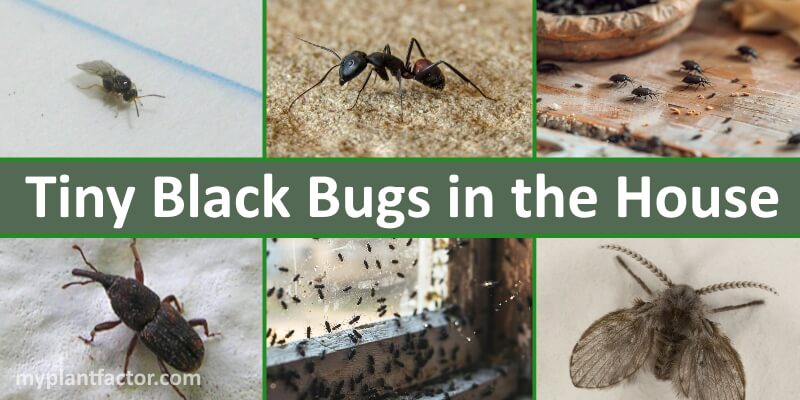
Have you ever looked at your windowsill or hovered over your plants and thought—what on earth are those tiny black bugs in your house? You’re not alone. One Reddit user wrote, “They’re everywhere—on my walls, in my plants, even bombarding me when I cook. I feel under attack.” Here’s the thing: Identifying these dark-colored insects is the first step in knowing how to get rid of them for good.
The truth is, “tiny black bugs” isn’t one thing. It’s a whole cast of characters: fungus gnats, thrips, drain flies, carpet beetles, pantry pests, and more. Some are annoying but harmless. Others? They’ll chew through your plants or raid your pantry.
The challenge is knowing which one you’ve got. Because if you misdiagnose, you waste time (and sprays). As one frustrated plant owner said, “I thought I had fungus gnats, but nope—it was thrips wrecking my monstera.”
This guide is your cheat sheet. Quick ID tips. Where they hide. One fast fix. And links to deep dives if you need them. Let’s hunt down your mystery bugs.
How to Identify Tiny Black Bugs by Movement
Ever watched those tiny black specks on your plant and thought, what are you even doing? Movement gives away the culprit. Once you know how they move, you can tell who they are—and what they want.
Here’s a quick cheat sheet I use when trying to ID pests before breakfast:
| Movement Type | Likely Culprit | What It Means | Quick Fix |
|---|---|---|---|
| Flying | Fungus gnats or fruit flies | Love moist soil and decaying roots | Let soil dry out, add sticky traps |
| Jumping | Springtails | Feed on fungus, not plants | Improve drainage and airflow |
| Crawling | Thrips or aphids | Suck sap and scar leaves | Neem oil spray or insecticidal soap |
| Scurrying in soil | Soil mites | Decomposers, usually harmless | Avoid overwatering; no panic needed |
For detailed identification, see our full Houseplant Pest Identification Guide.
I learned the “jump test” trick from a Reddit thread—just tap the pot. If specks leap, you’ve got springtails; if they hover, gnats. It’s oddly satisfying once you crack the code.
“For detailed identification, see our full Houseplant Pest Identification Guide.”
How to Get Rid of Tiny Black Bugs (Fast and Naturally)
If you’ve spotted small black bugs crawling on walls, soil, or countertops—don’t panic. Most infestations clear up fast once you remove what attracts them. Dry out soggy soil, scrub food spots, and use gentle fixes like Neem oil, diatomaceous earth, or apple cider vinegar traps instead of harsh sprays.
Not Sure Which Pest It Is?
Fungus gnats, thrips, aphids, and spider mites can all look like tiny black dots at first glance. Use our Houseplant Pest Identification guide to match the look, damage pattern, and movement—so you can choose the right treatment fast.
What Are Tiny Black Bugs?
Drain flies, fruit flies, and fungus gnats are the most common tiny black bugs in houses. You will find drain flies in moist environments, where they typically breed in drains. Fruit flies thrive near overripe fruits and quickly become nuisance pests. In contrast, fungus gnats are commonly found near potted houseplants and damp organic matter.
Quick ID Guide: Tiny Black Bugs and Easy Fixes


Drain Flies
Appearance: Tiny, fuzzy, moth-like wings
Found: Sinks, showers, floor drains
Cause: Organic buildup, moisture
Fix: Scrub pipes, flush with vinegar and boiling water, dry area

Fruit Flies
Appearance: Small, round; often red or dark eyes
Found: Kitchens, fruit bowls, bins
Cause: Ripening fruit, food crumbs
Fix: Apple-cider-vinegar traps, clean counters

Carpet Beetles
Appearance: Oval beetle; black or mottled; larvae are fuzzy
Found: Carpets, closets, natural fibers
Cause: Lint, pet hair, wool/cashmere
Fix: Vacuum, launder, seal clothing; deep clean fabrics


Dust Mites
Appearance: Microscopic bugs; pale and round (seen only under magnification)
Found: Bedding, upholstery
Cause: Humidity, skin flakes
Fix: Wash linens hot, dehumidify, encase pillows

Black Ants
Appearance: Shiny, segmented body; elbowed antennae
Found: Baseboards, counters, pantries
Cause: Food trails, entry gaps
Fix: Seal with silicone caulk, place ant baits along trails


Pantry Pests
Appearance: Tiny brown/black beetles or weevils with snout
Found: Flour, rice, cereal
Cause: Stored product pests, open packaging
Fix: Discard infested goods, clean shelves, store food in jars

Fungus Gnats
Appearance: Mosquito-like with long legs; weak fliers
Found: Plant soil, saucers
Cause: Overwatering, decaying matter
Fix: Let soil dry, use Neem oil, yellow sticky traps

Thrips
Appearance: Slender, dark insects; move fast, leave silvery streaks
Found: Leaves, buds, blossoms
Cause: Plant-to-plant spread
Fix: Spray insecticidal soap or Neem oil, isolate infected plant

Aphids
Appearance: Pear-shaped, soft-bodied, often clustered
Found: New growth, stems
Cause: Overfertilized, soft tissue
Fix: Rinse off with water, apply insecticidal soap, prune infested tips

Bed Bugs
Appearance: Flat, oval, reddish-brown insects; become darker, almost black after feeding
Found: Bed frames, furniture seams, baseboards
Cause: Hitchhiking from travel or infested furniture
Fix: Wash bedding hot, vacuum crevices, use heat treatments or licensed pest control

Cockroaches
Appearance: Flat, shiny brown-black; long antennae; quick runners
Found: Kitchens, bathrooms, dark damp corners
Cause: Food crumbs, leaks, poor sanitation
Fix: Clean thoroughly, seal cracks, use ant and roach baits, or professional pest control

Pill Woodlouse (Armadillidium vulgare)
Appearance: Small, oval, slate-gray crustacean that curls into a ball when disturbed
Found: Damp soil, bathrooms, basements, under pots or mulch
Cause: Excess moisture, decaying leaves or organic debris
Fix: Improve drainage, reduce humidity, remove debris, and seal gaps near floors or foundations
Tiny Black Bugs in Houseplant Soil or Pots
If your soil’s starting to look alive—tiny black specks hopping or flying up when you water—you’ve probably got fungus gnats, springtails, or a few sneaky thrips moving in. They love soggy pots and decaying organic matter, so think of wet soil as their version of an all-inclusive resort.


First, figure out who you’re dealing with.
- Small black flies hovering near the pot? Fungus gnats.
- Tiny jumpers when you poke the soil? Springtails.
- Silvery streaks or curled leaves? Thrips or aphids sipping plant sap.
Experts at the University of California Agriculture and Natural Resources (UCANR) explain that fungus gnats thrive when soil stays too wet and full of organic debris. Their larvae feed on fungi and tender roots, quietly stressing your plants from below. UCANR’s team suggests letting the soil surface dry between waterings, then pairing that with yellow sticky traps or natural predators like beneficial nematodes.
Still seeing fine webbing on your leaves?
That’s a classic sign of spider mites. These tiny pests hide under leaves and suck the life out of your plants. Learn how to stop them naturally—before they spread to your whole collection.
How to Get Rid of Fungus Gnats from Houseplant Soil
If tiny flies keep circling your soil like it’s an airport, you’ve got fungus gnats. Let the top inch dry out, add sticky traps, and try a light Neem oil mist. For a complete step-by-step plan, see our full guide to getting rid of gnats naturally. You might also want to think about sterilizing plant soil to erradicate larvae from the potting mix.
How to Eliminate Thrips and Aphids from Houseplants
The first step to eradicate a thrip infestation is to isolate infected plants. This is essential to stop the spread of the invasive tiny black bugs on houseplants. Next, pruning infected plants and applying a natural insecticide is vital to eliminate the problem.
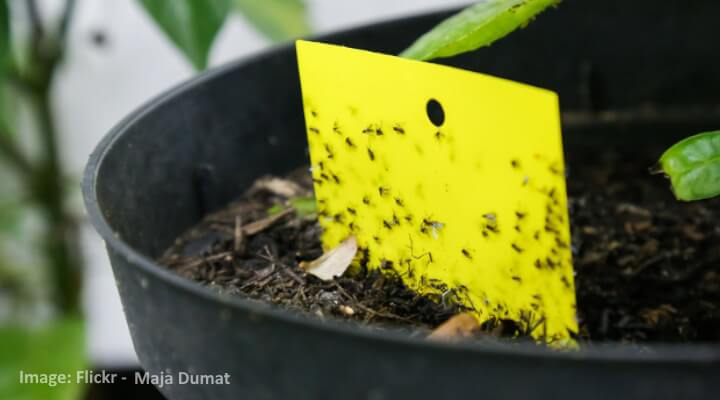
Here is my step-by-step guide for eliminating thrips:
- Isolate infected plants: To prevent spreading, immediately isolate the affected vegetation.
- Prune the plants: Remove any damaged sections of the plants to halt deterioration.
- Use insecticidal soap: Apply a gentle insecticidal soap to kill the thrips without harming the plant.
- Use neem oil: Neem oil has natural insecticidal properties that kills thrips. You can make a neem oil spray and spray the leaves and stems once every seven days to kill the tiny insects.
For instructions on how to eradicate tiny black bugs from houseplants, check out my article on How to Use Neem Oil as a Safe DIY Plant Control solution.
Most “black bug” problems aren’t plant diseases at all—just a reminder that even your soil has a social life when it stays too damp.
Silvery streaks or curling leaves?
You might be dealing with thrips—sap-sucking insects that can turn healthy leaves brittle and pale. See how to spot, treat, and prevent thrips before they take over your houseplants.
How to make DIY insecticidal soap recipe to get rid of tiny black bugs in your house
- Ingredients:
- One tablespoon of mild liquid soap
- One quart of water
- Instructions:
- Combine the soap and water in a spray bottle.
- Shake well to ensure the mixture is properly blended.
- Spray your plants thoroughly, especially under leaves and at the base of stems.
- Repeat the treatment every few days for at least two weeks.
Keep a close eye on your plants for re-infestation and apply treatment as needed.
Fungus gnats vs. fruit flies: How to tell the difference
Fungus Gnats vs. Fruit Flies: How to Tell the Difference
| Fungus Gnats | Fruit Flies | |
|---|---|---|
| Image |  |
 |
| Where You’ll See Them | Hovering near moist potting soil or saucers | Flying near fruit bowls, trash, or kitchen drains |
| Size & Shape | Slender body, long legs, mosquito-like | Rounder body, short legs, visible red eyes |
| Flight Pattern | Slow, weak flyers that stay near soil | Quick, erratic flyers around light and food |
| Main Cause | Overwatering, decaying organic matter in soil | Overripe fruit, spilled juice, fermenting food |
| Best Fix | Let soil dry, use Neem oil and sticky traps | Set apple cider vinegar traps, clean surfaces |

Gnats flying every time you water?
They’re probably fungus gnats. These tiny black flies breed in damp soil and thrive on decaying roots. Dry out the potting mix and check out my full guide to send them packing—for good.
Wondering if those bugs are harmless or something to worry about? Find out which ones actually pose risks in Are Tiny Black Bugs Dangerous to Pets or Humans?
Tiny Black Flying Bugs Around Windows or Lights
Ever notice those tiny black specks dancing in the sunlight by your window? They look harmless until you realize—they’re alive. Usually, it’s fungus gnats, drain flies, or fruit flies following the trail of moisture, light, or yesterday’s fruit bowl.

Fungus gnats often drift from houseplant soil straight toward the window, while drain flies sneak in from pipes and love the bathroom glow. Fruit flies, meanwhile, can’t resist the combo of kitchen counters and warm light. I once chased what I thought was dust—turned out to be a full-on gnat convention.
Here are some natural pest control methods that work fast:
- Clean window sills and ledges with soap and water.
- Set apple cider vinegar fruit fly traps nearby—they’re like magnets for these flyers.
- Dust a little diatomaceous earth along the frame or sill.
- Check your window screens and seal any sneaky insect entry points with silicone caulk.
If they’re stubborn, it might mean there’s a drain or soil problem fueling them. But for most of us, it’s just about clearing the moisture issues, closing the cracks, and letting the light shine bug-free again.
Tiny Black Bugs in Bathrooms
Bathrooms are a paradise for moisture-loving pests. Drain flies, mold mites, and woodlice thrive in damp corners, grout lines, and behind toilets. If the air feels sticky or condensation builds up, that’s their cue to move in. These bugs don’t bite—they’re chasing humidity, not humans.

Woodlice (or pill bugs) are easy to spot—round, dark, and curl into little balls when touched. Mold mites are almost invisible but often show up as dust-like specks near tile seams. Their presence means it’s time to dry the room and check for hidden leaks behind walls or under tubs.
Here are some home remedies to get rid of a pest problem in damp areas:
- Pour baking soda and vinegar down the drain, then chase it with boiling water.
- Scrub the inside edges of sinks and around stoppers—those are fly nurseries.
Fruit flies usually drift from the kitchen, hanging over bins or kitchen counters. A cup of apple cider vinegar with a drop of soap makes an instant trap. Mold mites and other black bugs along tile grout? That’s a moisture issue—time to improve airflow or seal the caulking.
If the swarm keeps returning, there’s probably a slow drain or leak hiding somewhere. Fix that by sealing gaps with silicone caulk, and let everything dry out. Once the moisture’s gone, so are the bugs.
Tiny Black Bugs in Drains and Sinks
a If you crush one and it leaves a gray smudge, it’s a drain fly. They rest on vertical walls, unlike fruit flies that hover near food. Their larvae live in the gunk coating your pipes—soft sludge that keeps reproducing unless flushed out. You’ll spot them most after a few days away when drains sit still.
How to Get Rid of Drain Flies
Eliminating drain flies requires meticulous cleaning to remove their food source and breeding habitat.
Here are the steps for drain fly eradication:
- Clean drains with a stiff brush to remove organic materials.
- Use a drain cleaner to flush out the remaining organic matter thoroughly.
Regularly inspect sump pump pits and sewer lines for leaks.
Tiny Black Bugs in the Kitchen or Pantry
Kitchens and pantries invite a type of tiny black bugs with no wings—rice weevils, flour beetles, cockroaches, larder beetles, and black ants. They show up when dry goods aren’t sealed or when old grains, nuts, or pet food go stale. Got food crumbs in cupboards and on work surfaces? Say hello to tiny black kitchen bugs.

Pantry bugs prefer dark, quiet shelves and rarely stray far from their food source. You might see small black specks moving inside a cereal bag or tiny brown beetles around your spice rack. They don’t bite, but can ruin entire packages overnight. Fresh storage and good cleaning habits keep them away for good.
How to Get Rid of Pantry Pests
Eliminating stored product pests involves a few strategic steps:
- Inspect all food items, especially those that are overripe or contain organic materials.
- Clean up any spilled food products.
- Secure food in airtight containers.
- Dispose of infested items.
Regularly cleaning and monitoring for unwanted pests can prevent infestations. If the pest infestation persists, contact a professional pest control company for help.
Worried your curious cat might nibble a leaf?
Some houseplants can be toxic to pets. Before you panic, check our full list of cat-safe plants and smart deterrents so your plants—and your pets—can live together in peace.
Tiny Black Ants in the House
If the tiny black bugs you’re spotting move in long, busy lines—congrats, you’ve got ants, not mystery specks. Usually, they’re black garden ants or ghost ants marching toward food crumbs, water, or a sweet spill you didn’t know existed. Once one finds a snack, the rest follow the scent trail straight to it.

Ants show up in any room that gives them two things: moisture and crumbs. Kitchens, bathrooms, even bedroom windowsills can turn into rest stops. They sneak in through cracks around doors, unsealed window frames, or electrical outlets, especially when outdoor colonies get flooded or food runs low.
They’re not dangerous—but they’re determined. Ants don’t bite or carry disease, but they do farm aphids and mealybugs on houseplants for sugar, which can create a second pest problem.
How to kill black ants in the house
To get rid of pesky worker ants, consider these steps:
- Starve them: Identify and remove their food sources so they look elsewhere.
- Stop entry: Seal entry points such as window frames, cracks, and doorways.
- Ant baits: Place ant bait stations or gels containing slow-acting natural insecticides near ant trails. The black ants carry the bait back to their nest, killing the colony.
- Diatomaceous earth: Sprinkle food-grade diatomaceous earth along dry ant trails and entry points. The powder dehydrates ants, effectively killing them.
- Boric acid: Create a solution of boric acid and sugar or honey to attract ants. The acidic powder damages ants’ exoskeletons, killing them.
- Cinnamon: Sprinkle cinnamon powder near ant trails and entry points. The strong scent repels ants and disrupts their pheromone trails.
If you see them near plants, it’s worth checking your leaves for sticky sap or pests hiding underneath.
Are Tiny Black Bugs Harmful to People or Pets?
Here’s the good news—most of the tiny black bugs you’ll find in your home or plants aren’t out to hurt you. Fungus gnats, springtails, and even the occasional woodlouse are more nuisance than threat. They just want moisture, not a midnight snack.
That said, some house pests can stir up trouble.
The Centers for Disease Control and Prevention (CDC) notes that bed bugs don’t spread diseases, but they do bite—and the itching can drive you wild. Scratching too much can even lead to skin infections. The CDC suggests keeping things clean, washing bedding hot, and using heat treatments if bed bugs move in.
Experts at the Cleveland Clinic say that cockroach nymphs and dust mites can spark allergies or worsen asthma—especially if you notice more sneezing or itchy eyes around humid spots. Then there are the real biters: bed bugs, fleas, and black-legged ticks. Their bites itch like crazy, and ticks can carry disease, so don’t ignore them.
If you’ve got pets, keep pest control simple and safe. Neem oil, diatomaceous earth, and insecticidal soaps are great natural options. Skip the heavy chemical sprays unless they’re EPA-approved for indoor use. And if your cat or dog gets bitten, call your vet before trying any flea or lice killer baths.
Most of these bugs just share space where it’s damp or dusty—but with a few tweaks, you can send them packing without risking anyone’s health.
Why Tiny Black Bugs Keep Coming Back (and How to Break the Cycle)
You’ve cleaned, sprayed, and sighed—but somehow, they’re back again.
Tiny black bugs are stubborn because the problem isn’t just them—it’s what’s attracting them. Overwatering, compacted soil, or leftover eggs hiding in old mix can trigger new waves of pests before you’ve even finished celebrating victory.
I once treated a Monstera three times before realizing the gnats were breeding in my unused soil bag. Humid storage areas are basically pest nurseries. Always store soil in sealed containers and refresh top layers every few months.
If bugs return within days, check for:
- Moisture buildup: soil never dries fully.
- Stale potting mix: reused or months old.
- Hidden larvae: clinging to saucers or drainage holes.
A gentle neem oil routine breaks this cycle naturally. Once a week for a month is my go-to. Check out my article on how to make a DIY neem oil spray to kill houseplant bugs.
How to Prevent Tiny Black Bugs from Coming Back
Tiny black bugs love dampness, crumbs, and clutter. Once you clear them, prevention is about consistency—not chemicals. Keep humidity below 50%, empty bins often, and store grains and pet food in sealed jars. Most infestations start with moisture, so fix leaks fast and dry saucers under your plants.
New plants? Always quarantine for a week before adding them to your indoor garden. Many soil pests, like fungus gnats, hitch a ride in nursery pots. Replace old potting mix yearly—it breaks down and holds water, which pests adore. Add a top layer of diatomaceous earth for extra protection.

Every few weeks, wipe window sills, vacuum baseboards, and check corners near sinks or drains. Bugs love forgotten spaces. If you live in a humid climate, try a small dehumidifier near plants or bathrooms—it keeps both fungus and flies in check.
Natural pest control should be gentle but steady. A few spritzes of Neem oil each month, plus sticky traps in problem zones, make a huge difference. Keep it simple, stay consistent, and your house stays pest-free without harsh sprays.
Related Reading
- Houseplant Pest Identification: Spot and Fix Common Indoor Problems
- Thrips on Plants: Spot, Treat, and Prevent the Damage
- Spider Mites on Indoor Plants: How to Stop These Tiny Invaders
- How to Get Rid of Fungus Gnats in Houseplants (For Good!)
- Neem Oil for Houseplants: The Natural Fix for Pests and Fungal Problems
Quick Recap: Spot It, Fix It, Forget It
- In your soil? Fungus gnats or springtails — dry it out, use Neem oil.
- By lights or windows? Drain or fruit flies — clean sills, vinegar traps.
- In bathrooms? Woodlice or mold mites — fix leaks, seal grout.
- Biting you? Bed bugs or fleas — wash bedding hot, vacuum daily.
- In closets? Carpet beetles — vacuum and store natural fabrics tightly.
Tiny Black Bugs in House: FAQs
Still wondering what those tiny black bugs mean for your plants? You’re not alone—these little hitchhikers can confuse even experienced plant parents. I’ve gathered the most common questions I see on plant forums and in my inbox, so you can treat, prevent, and keep your houseplants thriving again.
Are tiny black bugs on houseplants harmful to humans or pets?
Most of them aren’t. Fungus gnats, springtails, and soil mites don’t bite or sting—they just love moisture. Thrips and aphids can harm plants but won’t bother you or your pets. Still, wash hands after handling infested soil to avoid irritation, especially if you have allergies or sensitive skin.
Why do tiny black bugs keep coming back after I treat them?
Usually, the soil never dries completely or old eggs remain in pot crevices. Overwatering, poor drainage, or reusing old mix restarts the cycle. Drying soil between waterings and adding a weekly neem oil spray stops new larvae before they hatch. Consistency matters more than one big treatment.
How long does it take to get rid of tiny black bugs on houseplants?
Expect visible results in 7–10 days with steady care. Fungus gnat adults die fast, but larvae linger in damp soil. Keep the surface dry and continue treatment for at least three watering cycles. That gives time for hidden eggs to hatch and die off naturally.
Can I use natural methods instead of chemical sprays?
Absolutely. Neem oil, sticky traps, and soil-drying techniques are safe and effective. I prefer neem oil because it interrupts the pest life cycle without harming the plant. A weekly routine plus good airflow keeps soil bugs under control—no harsh chemicals needed.
Why do I see tiny black bugs right after watering?
Watering wakes them up. Moisture and vibration drive soil pests like fungus gnats to the surface. You’ll often notice them hovering within minutes. Let the top inch dry before the next watering, and use sticky traps to catch the fliers drawn out by movement.
Should I throw out my plant if the infestation is bad?
Not unless the roots are severely damaged. Most infestations clear with patience and fresh soil. Remove the top layer, repot in clean mix, and trim any decayed roots. Even a badly infested plant can bounce back—plants are far tougher than they look.

